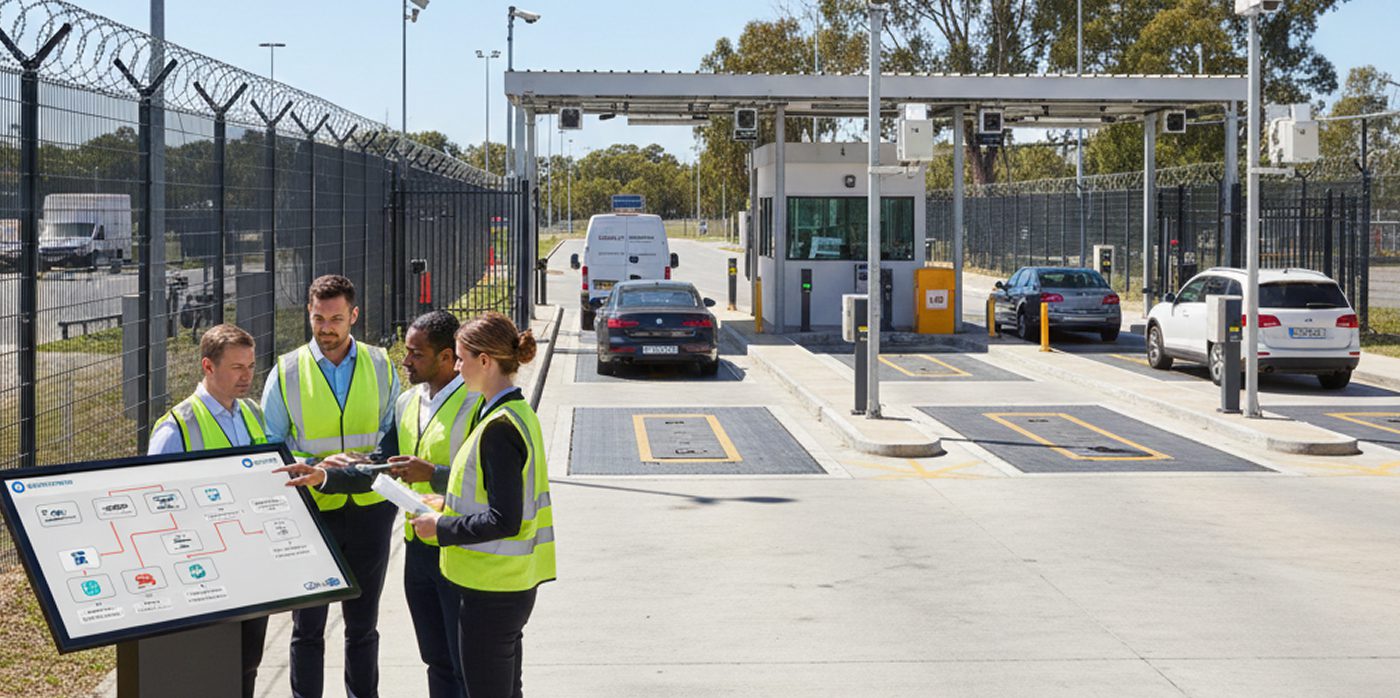
Vehicles remain one of the most common methods used to transport unauthorized items, conceal threats, or gain access to restricted locations. As organizations expand their operations and facilities become more complex, security teams need faster and more reliable ways to inspect incoming and outgoing vehicles.
Traditional security checks typically rely on guards performing visual inspections. While these methods can identify obvious concerns, they are often time-consuming, inconsistent, and vulnerable to human error. Long queues at entry points can also create operational bottlenecks that impact productivity and visitor experience.
To address these challenges, organizations are increasingly investing in smarter vehicle inspection solutions that combine automation, imaging technologies, and intelligent data analysis to deliver more comprehensive security coverage.
Why Traditional Inspection Methods Are No Longer Enough
Increasing Vehicle Traffic
Large facilities such as airports, seaports, industrial plants, and logistics hubs process hundreds or even thousands of vehicles daily. Conducting thorough inspections without causing delays can be extremely difficult using manual methods alone.
Evolving Security Threats
Security threats have become more sophisticated, requiring organizations to identify hidden objects, unauthorized modifications, and suspicious vehicle activity quickly and accurately.
Demand for Operational Efficiency
Organizations must balance security requirements with operational productivity. Delays at entry points can disrupt supply chains, affect employee movement, and reduce overall efficiency.
These challenges have accelerated the adoption of intelligent vehicle inspection technologies capable of delivering both security and speed.
Key Benefits of Smarter Vehicle Inspection Solutions
Enhanced Threat Detection
Modern inspection systems use high-resolution imaging and automated analysis to capture detailed vehicle information. Security personnel can identify anomalies, hidden objects, and potential threats more effectively than through visual inspections alone.
Faster Screening Processes
Automated vehicle inspections significantly reduce the time required to process vehicles. Faster screening improves traffic flow while maintaining high security standards.
Improved Accuracy
Technology-driven inspections eliminate many of the inconsistencies associated with manual checks. Automated systems provide standardized inspection procedures and reliable documentation for every vehicle screened.
Real-Time Monitoring and Alerts
Advanced inspection platforms can instantly notify security teams when suspicious activity or unauthorized vehicles are detected. This enables rapid response and minimizes potential security risks.
Comprehensive Audit Trails
Digital records, captured images, and inspection logs create valuable evidence that can be reviewed for investigations, compliance reporting, and security audits.
The Role of Under Vehicle Inspection in Modern Security
One of the most critical aspects of vehicle screening involves examining the underside of vehicles. This area can be difficult to inspect manually and may be used to conceal prohibited items, unauthorized modifications, or potential threats.
Modern under vehicle inspection technologies provide detailed imaging of a vehicle’s undercarriage, allowing security personnel to identify irregularities quickly. High-resolution cameras capture comprehensive views that can be reviewed in real time or compared against previous inspections.
Many facilities are adopting an under vehicle surveillance system as part of a broader security strategy to strengthen perimeter protection and improve screening effectiveness.
By automating undercarriage inspections, organizations can enhance security while reducing the need for labor-intensive manual checks.
How LPR Enhances Vehicle Inspection Systems
Automated Vehicle Identification
License Plate Recognition technology automatically captures and analyzes license plate information as vehicles enter or exit a facility. This enables rapid identification without requiring manual data entry.
Integration with Access Control
When integrated with vehicle inspection systems, LPR can instantly verify whether a vehicle is authorized to enter restricted areas. Approved vehicles can be processed quickly, while unauthorized vehicles can be flagged for additional inspection.
Improved Threat Detection
LPR systems provide an additional layer of intelligence by comparing vehicle information against watchlists, blacklists, or security databases. If a vehicle matches predefined security criteria, alerts can be generated immediately.
Historical Tracking and Investigation Support
LPR databases maintain records of vehicle movements, allowing security teams to investigate incidents, monitor recurring visitors, and identify suspicious patterns.
Enhanced Operational Efficiency
The combination of vehicle inspection technologies and LPR reduces manual workloads, accelerates entry procedures, and strengthens overall situational awareness.
Industry Applications Driving Investment
Critical Infrastructure
Power plants, water treatment facilities, telecommunications centers, and energy sites require strict vehicle screening procedures. Advanced inspection technologies help protect essential services from potential disruptions and security threats.
Government Facilities
Government buildings and defense installations often manage sensitive operations and valuable assets. Intelligent vehicle inspection systems help ensure only authorized vehicles gain access to secure areas.
Airports
Airports face unique security challenges due to high traffic volumes and strict regulatory requirements. Automated inspection and LPR technologies help improve vehicle screening while maintaining smooth operational flow.
Ports and Maritime Facilities
Ports process large numbers of commercial vehicles and cargo shipments daily. Smart inspection systems help identify security risks while supporting efficient logistics operations.
Industrial Facilities
Manufacturing plants, refineries, and industrial complexes use vehicle inspection technologies to monitor deliveries, contractors, and employee vehicles entering secure locations.
Logistics and Distribution Centers
As supply chains continue to grow, logistics operators require fast and secure screening solutions. Automated vehicle inspection systems reduce congestion while protecting facilities from unauthorized access.
Commercial Properties
Business parks, corporate campuses, shopping centers, and commercial facilities increasingly use vehicle inspection technologies to enhance visitor management and improve overall security.
Future Trends in Vehicle Inspection Technology
The future of vehicle security lies in greater automation, artificial intelligence, and data integration. Emerging technologies are enabling faster image analysis, predictive threat detection, and centralized security management.
Organizations are also moving toward integrated security ecosystems where vehicle inspection systems, LPR platforms, access control solutions, and surveillance technologies work together to provide a unified view of facility security.
As threats continue to evolve, investing in smarter vehicle inspection solutions will remain a critical component of modern security strategies.
Conclusion
Organizations across critical infrastructure, government, industrial, logistics, airport, port, and commercial sectors are investing in smarter vehicle inspection solutions to address growing security demands. These technologies improve threat detection, streamline vehicle screening, and provide the operational efficiency needed to manage increasing traffic volumes.
By integrating advanced vehicle inspection systems with License Plate Recognition technology, organizations gain a powerful security solution that enhances access control, strengthens perimeter protection, and supports proactive threat management. As security challenges become more complex, intelligent vehicle inspection technologies will continue to play a vital role in protecting people, assets, and operations.
About the Author