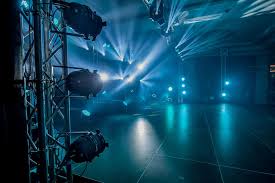
When it comes to live events, performances, or stage productions, lighting plays a huge role in creating the right atmosphere. But beyond visuals, lighting also affects the technical side of your show—especially power consumption and stability.
Many event organizers face unexpected power issues such as overloads, flickering lights, or even complete outages during a performance. These problems can disrupt the entire show and leave a poor impression on the audience.
One of the most effective ways to avoid these issues is by using professional LED stage lighting. In this guide, you’ll learn why it matters and how it helps keep your show running smoothly without power-related interruptions.
Understanding How LED Stage Lighting Reduces Power Load
Modern led stage lighting systems are designed to be energy-efficient. Unlike traditional lighting such as halogen or incandescent fixtures, LED lights consume significantly less power while producing the same or even better brightness.
This reduced power consumption is one of the biggest advantages when managing a live event. Lower energy usage means less strain on your electrical system, which directly reduces the risk of overloads.
For example, a traditional lighting setup might require heavy power distribution and multiple circuits. In contrast, LED fixtures allow you to run more lights on fewer circuits, making the setup simpler and safer.
Why Power Issues Happen During Shows
Power problems during events are more common than many people realize. They usually happen because of poor planning or outdated equipment.
When too many high-energy lights are connected to a limited power source, the system can become overloaded. This can lead to tripped breakers, dimming lights, or sudden shutdowns.
In some cases, cables and connectors may not be strong enough to handle the load, which increases the risk of overheating. These issues can be stressful, especially during live performances where timing is critical.
Using energy-efficient lighting systems helps prevent these problems by reducing the overall demand on your power supply.
Stable Performance and Consistent Output
Another important benefit of LED lighting is its stability. Traditional lights often fluctuate in brightness due to voltage changes, which can affect the quality of your show.
LED lights, on the other hand, are designed to provide consistent output. They maintain steady brightness even when there are minor changes in power supply.
This stability ensures that your stage lighting looks professional at all times. It also reduces the chances of flickering or sudden dimming, which can distract the audience and affect the performance.
Lower Heat Generation Improves Safety
Heat is another factor that contributes to power issues. Traditional lighting systems generate a lot of heat, which can affect both equipment and wiring.
Excessive heat can weaken cables, increase resistance, and even cause power failures. It also creates an uncomfortable environment for performers on stage.
LED lighting produces much less heat compared to traditional fixtures. This not only improves safety but also reduces the load on cooling systems and electrical components.
A cooler system is a more stable system, which means fewer chances of unexpected problems during your show.
Better Power Management with Advanced Systems
One of the reasons event professionals prefer professional led stage lighting is because of the advanced control features it offers. These systems are designed to manage power efficiently while delivering high-quality performance.
Modern LED setups often include smart controls that allow you to adjust brightness, color, and effects without increasing power consumption. This flexibility helps you create dynamic lighting designs without overloading your system.
Additionally, many LED fixtures are compatible with digital control systems, making it easier to monitor and manage power usage in real time.
Reduced Need for Heavy Power Equipment
Traditional stage lighting setups often require large power generators, heavy cables, and complex distribution systems. This not only increases costs but also adds to the risk of technical issues.
LED lighting reduces the need for such heavy equipment. Since it consumes less power, you can use smaller generators or even standard electrical setups in some cases.
This makes your event setup more efficient and easier to manage. It also reduces the chances of errors during installation, which can lead to power problems.
Reliability for Long Performances
Live shows can last for several hours, and lighting systems need to perform consistently throughout the event. Traditional lights may degrade over time, leading to reduced brightness or sudden failures.
LED lights are known for their long lifespan and reliability. They can run for extended periods without losing performance, making them ideal for concerts, theater productions, and large events.
This reliability ensures that your lighting system remains stable from start to finish, without unexpected interruptions.
Easier Setup and Maintenance
Another advantage of LED stage lighting is its ease of setup. Because the system is less demanding on power, it requires fewer connections and less complex wiring.
This simplifies the installation process and reduces the chances of mistakes. Fewer connections also mean fewer points where something can go wrong.
Maintenance is also easier. LED fixtures are durable and require less frequent replacement, which helps keep your system running smoothly over time.
Cost Efficiency in the Long Run
While LED lighting may have a higher initial cost, it offers significant savings in the long run. Lower energy consumption means reduced electricity bills, especially for large events.
You also save money on maintenance and replacement, as LED lights last longer than traditional options. Additionally, the reduced need for heavy power equipment lowers overall setup costs.
Investing in a reliable lighting system not only improves performance but also makes financial sense.
Tips for Preventing Power Issues During Shows
To get the most out of your LED lighting system, it’s important to follow some basic practices. Always plan your power distribution carefully and ensure that your equipment matches the capacity of your power source.
Test your setup before the event to identify any potential issues. Use high-quality cables and connectors to ensure safe and stable operation.
Working with experienced technicians can also help you avoid common mistakes and ensure everything runs smoothly.
FAQs
1. Why do traditional stage lights cause power issues?
They consume a lot of energy and generate heat, which can overload electrical systems.
2. Are LED stage lights more reliable?
Yes, they provide stable performance and are less likely to fail during a show.
3. Can LED lighting reduce electricity costs?
Yes, LED lights use less power, which lowers overall energy consumption.
4. Do LED lights flicker during power changes?
No, they are designed to maintain consistent brightness even with minor fluctuations.
5. Is professional LED lighting worth the investment?
Yes, it improves performance, reduces risks, and saves money in the long term.
Final Words
Using professional LED stage lighting is one of the smartest decisions you can make for any live event. It not only enhances the visual experience but also ensures technical stability by reducing power-related risks.
With lower energy consumption, better heat management, and reliable performance, LED lighting helps you focus on delivering a great show without worrying about unexpected issues.
If you’re looking for dependable equipment and solutions, it’s always a good idea to choose trusted suppliers. And while exploring quality products, it’s also worth mentioning that JJY Stage ship products to USA, making it easy to access reliable items across different industries.
About the Author