Few streetwear brands have travelled as far from their origins as Trapstar. What began as a group of friends printing T-shirts and slipping them into pizza boxes in Shepherd’s Bush has become one of the most recognisable names in global street fashion — and Italy is now one of its most enthusiastic markets. From the boutiques of Milan to the trap and rap scenes of Rome and Naples, the brand’s gothic star logo, oversized hoodies and puffer jackets have become a fixture of Italian youth culture. This article looks at how Trapstar built its name, why it resonates so strongly in Italy, and what buyers should know before adding a piece to their wardrobe.
From Shepherd’s Bush to a Global Movement
Trapstar was founded in 2005 in West London by three friends, Mikey, Lee, and Will, who started out delivering self-printed T-shirts in pizza boxes. What began as an underground project among friends who shared a love of fashion, music, and street culture gradually evolved into a label with serious commercial weight. Founded to challenge conventional fashion norms, the brand fused music, fashion, and street culture into a single aesthetic from the start.
The turning point came through music. In 2013, Trapstar secured an investment deal with Roc Nation, the entertainment company founded by Jay-Z, a partnership that proved instrumental in elevating the brand in the United States. The label also worked as the official merchandise designer for Rihanna’s Monster tour, collaborated with Puma, and received a high-profile co-sign from Stormzy, whose Trapstar underwear was famously visible during his Glastonbury headline set. Other artists associated with the brand include A$AP Rocky, Drake, and The Weeknd.
The growth was real and rapid: by 2022 Trapstar was generating around £40 million in revenue. But streetwear hype cycles are unforgiving. In May 2026 the brand entered administration, with 57 jobs at risk and revenue down 55% from its peak, before Footasylum completed a rescue acquisition in June 2026 with the original founders remaining at the creative helm. It’s a reminder that even cult-status streetwear brands aren’t immune to the boom-and-bust pressures of the fashion industry, and it’s a piece of context worth knowing if you’re shopping the brand right now — the company behind the label is in a period of transition.
Why Trapstar Resonates in Italy
Italy’s relationship with Trapstar mirrors the brand’s global story but with a distinctly local flavour. Milan, a global fashion capital with its own deep streetwear scene, has embraced Trapstar as a bridge between luxury sensibility and street authenticity — the kind of brand that sits comfortably next to both designer labels and grime culture. Rome’s connection runs through its rap and trap music scenes, where the brand’s bold typography and rebellious branding align naturally with the genre’s aesthetic. Naples, known for its vibrant street culture, has adopted the brand as a symbol of identity and belonging among younger generations.
This isn’t unusual for streetwear more broadly. Italian youth culture has long had an appetite for British and American street labels — Stone Island, Supreme, Off-White — and Trapstar slots into that lineage as a London-born alternative with its own mythology: three friends, no marketing budget, organic celebrity adoption rather than paid endorsement deals. That underdog narrative is part of the appeal. As one industry commentary put it, the brand’s rise was built without algorithms, media spend, or ambassador fees — just authentic cultural adoption.
What’s Actually Available
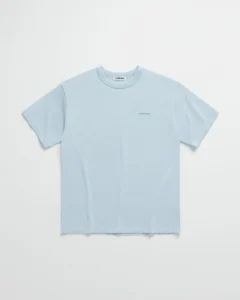
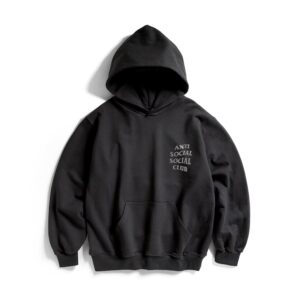
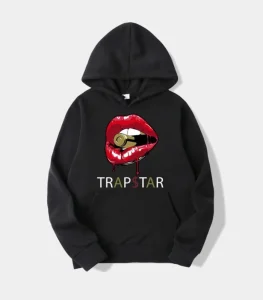
In terms of product, Trapstar’s catalogue is built around a handful of recognisable pieces: oversized hoodies, tracksuits, the Irongate puffer jackets, chenille-logo sweatshirts, bombers, and accessories like caps and crossbody bags. The brand’s iconic star logo, often shown in bold contrasting colours, has become a key visual signature recognised on streets worldwide, and the catalogue has expanded over time to include jackets, trousers, accessories, and footwear. Drops tend to be limited and announced with little notice, which keeps demand — and resale prices — high.
A Word of Caution for Italian Shoppers
Here’s the part worth taking seriously: a search for “Trapstar Italy” turns up a striking number of websites claiming to be the brand’s “official Italian store,” each describing a different founding year (2002, 2005, 2008) and slightly different founder names, often paired with permanent 40-50% discounts and stock photography lifted from elsewhere. That pattern — multiple near-identical domains, inconsistent brand history, and unrealistic markdowns on a brand known for scarcity-driven pricing — is a classic signature of unauthorised or counterfeit storefronts rather than genuine retail partners.
Trapstar does not appear to operate a dedicated, verified “Trapstar Italy” e-commerce site in the way a major fashion house might run country-specific storefronts. Authentic stock is generally found through the brand’s own official channels, established multi-brand streetwear retailers, and verified resale marketplaces that authenticate items (StockX and similar platforms are commonly cited for this purpose). If you’re buying in Italy, it’s worth checking seller reviews, comparing prices against the brand’s typical retail range, and being sceptical of any site offering steep, site-wide discounts on a brand whose whole business model depends on exclusivity.
The Bigger Picture
Trapstar’s Italian popularity says less about a country-specific marketing push and more about how thoroughly the brand has embedded itself in global youth culture. It arrived in Italy the way most genuine streetwear movements do — through music, social media, and word of mouth rather than billboard campaigns — and it found cities that already had the cultural infrastructure (a strong rap scene, a fashion-literate youth audience, a taste for British style) to make it stick.
With the brand now under Footasylum’s ownership following its 2026 administration, the coming months will likely shape what “Trapstar Italy” actually means going forward: whether that’s expanded official retail partnerships in the country, continued grey-market confusion, or a more consolidated international strategy from new ownership. For now, Italian fans of the label have plenty of ways to access it — they just need to know where to look, and where not to.
About the Author