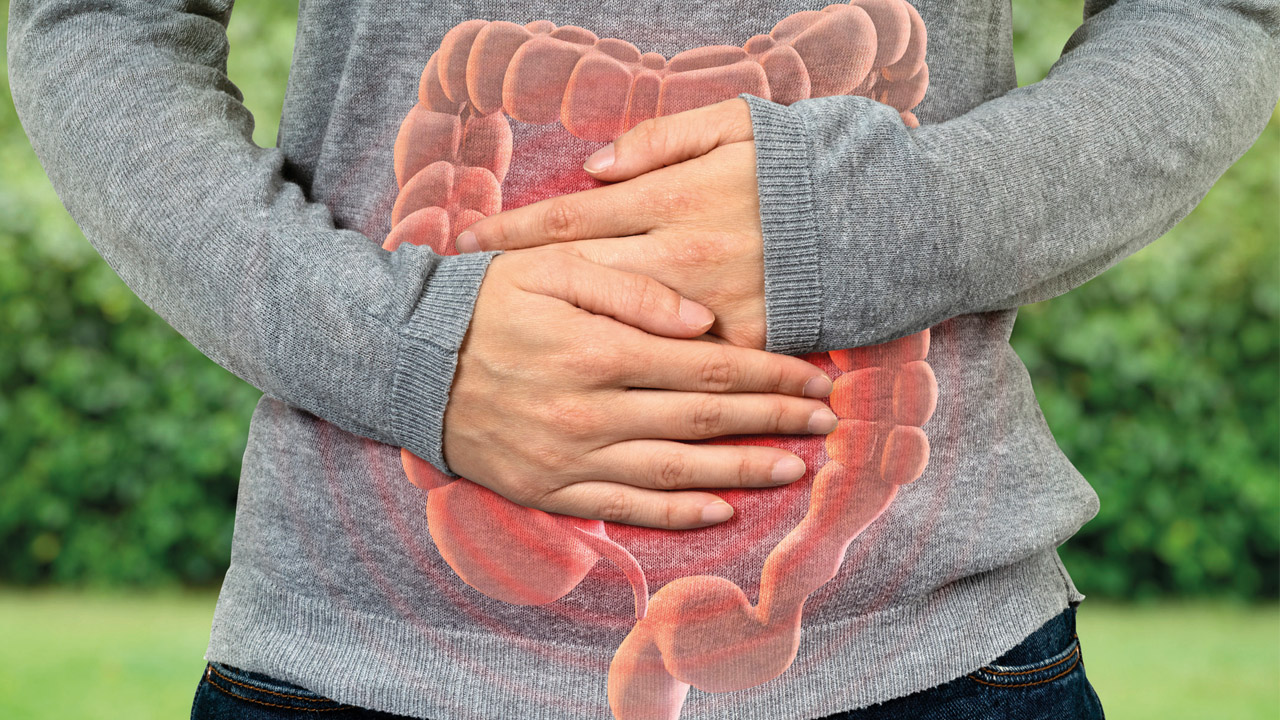
Lower gastrointestinal (GI) disorders refer to a broad group of conditions that affect the lower portion of the digestive tract, including the small intestine (distal part), colon, rectum, and anus. These disorders are common and can significantly impact quality of life, often presenting with symptoms such as abdominal pain, altered bowel habits, bloating, or bleeding. Understanding the underlying causes, risk factors, and management options is essential for early intervention and improved patient outcomes.
Common Lower GI Disorders
1. Irritable Bowel Syndrome (IBS)
IBS is one of the most frequent lower GI disorders, characterized by chronic abdominal discomfort and changes in bowel habits without detectable structural abnormalities. It is classified into three primary types: IBS-C (constipation-dominant), IBS-D (diarrhea-dominant), and IBS-M (mixed). Triggers often include stress, hormonal fluctuations, certain foods, and alterations in the gut microbiome. Although IBS does not damage the digestive tract, symptoms can be persistent and disruptive.
2. Inflammatory Bowel Disease (IBD)
IBD encompasses two major conditions—Crohn’s disease and ulcerative colitis. Both involve chronic inflammation of the GI tract but affect different areas. Crohn’s disease can occur anywhere from the mouth to the anus, commonly involving the terminal ileum, while ulcerative colitis is limited to the colon and rectum. Symptoms often include diarrhea, abdominal pain, weight loss, and rectal bleeding. Unlike IBS, IBD can cause serious complications such as strictures, fistulas, and an increased risk of colorectal cancer.
3. Diverticular Disease
Diverticulosis refers to the formation of small pouches (diverticula) in the colon wall. When these pouches become inflamed or infected, the condition is known as diverticulitis. Symptoms of diverticulitis include sharp abdominal pain—typically in the lower left quadrant—fever, and altered bowel movements. Dietary factors, aging, and low fiber intake are associated with increased risk. While mild cases may be treated with antibiotics and dietary changes, severe episodes can require hospitalization or surgery.
4. Colorectal Cancer
A serious lower GI disorder, colorectal cancer usually arises from precancerous polyps in the colon or rectum. Early stages may be asymptomatic, highlighting the importance of screening, especially after age 45 or earlier for high-risk individuals. Symptoms can include persistent bowel habit changes, blood in stool, unexplained weight loss, and fatigue. Early detection through colonoscopy dramatically improves treatment outcomes.
5. Hemorrhoids and Anal Fissures
Hemorrhoids are swollen veins in the rectum or anus, often related to straining during bowel movements or pregnancy. Anal fissures are small tears in the lining of the anus, usually causing severe pain and bright red bleeding. Both conditions can be distressing but are typically manageable with lifestyle adjustments, topical treatments, or, in persistent cases, minor procedures.
Causes and Risk Factors
Lower GI disorders can arise from various factors:
- Dietary Influences: Low fiber intake, high fat or processed foods, and certain trigger foods can provoke symptoms in susceptible individuals.
- Genetics: Family history plays a strong role in IBD and colorectal cancer.
- Stress and Mental Health: Stress can exacerbate IBS and other functional GI conditions.
- Microbiome Imbalance: Disruptions in gut bacteria may contribute to IBS, IBD, and metabolic issues.
- Lifestyle Factors: Sedentary habits, smoking, and alcohol use increase the risk of several lower GI diseases.
Symptoms to Watch For
Although symptoms vary by condition, common signs include:
- Abdominal pain or cramping
- Diarrhea, constipation, or alternating patterns
- Bloating and excessive gas
- Rectal bleeding or blood in stool
- Unexplained weight loss
- Persistent fatigue
- Changes in stool shape or frequency
Any new or severe symptoms should be evaluated by a healthcare professional, particularly if bleeding or unexplained weight loss is present.
Diagnosis
Diagnosing lower GI disorders often requires a combination of:
- Medical History and Physical Examination
- Laboratory Tests: Blood tests, stool studies, inflammation markers.
- Imaging: CT scans, MRI, or abdominal ultrasound.
- Endoscopic Procedures: Colonoscopy and sigmoidoscopy allow direct visualization and biopsy.
- Functional Tests: Motility studies for constipation or chronic bloating.
Treatment and Management
Treatment varies depending on the specific disorder but may include:
- Dietary Modifications: Increasing fiber, eliminating trigger foods, or following low-FODMAP diets for IBS.
- Medications: Anti-inflammatories for IBD, antispasmodics for IBS, antibiotics for diverticulitis, and topical creams for hemorrhoids.
- Lifestyle Adjustments: Regular exercise, hydration, and stress-management strategies.
- Surgery: Required for complications of IBD, severe diverticulitis, colorectal cancer, or advanced hemorrhoids.
- Screening and Prevention: Routine colonoscopies remain the best method for early detection of colorectal cancer.
Conclusion
Lower GI disorders encompass a wide variety of conditions ranging from mild and functional issues like IBS to more serious inflammatory or structural diseases like IBD and colorectal cancer. Early recognition of symptoms, appropriate medical evaluation, and personalized treatment plans are key to managing these conditions effectively. With the right lifestyle strategies and ongoing care, most individuals can achieve significant symptom relief and maintain a high quality of life.
About the Author