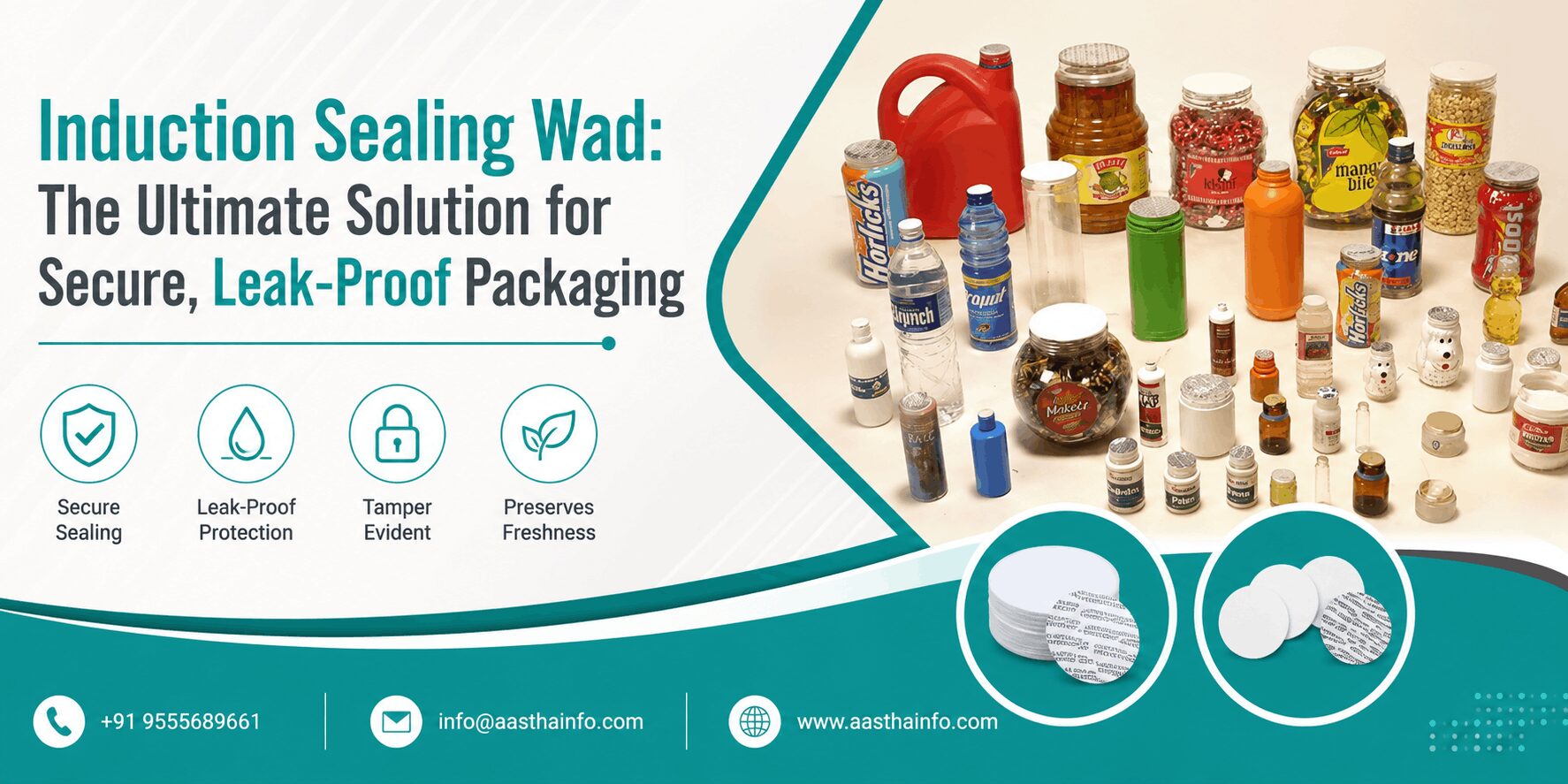
Have you ever bought a bottle of cooking oil, medicine, or shampoo and noticed a foil seal beneath the cap? Most people peel it off without thinking twice, but that thin layer plays a huge role in keeping the product safe. It prevents leaks, protects against contamination, and gives customers confidence that the product hasn’t been opened before.
The answer is simple—yes, an Induction Sealing Wad is one of the most reliable solutions for secure, leak-proof, and tamper-evident packaging. It helps manufacturers protect product quality while giving customers peace of mind.
Today, businesses in the food, pharmaceutical, cosmetic, and chemical industries rely on high-quality Induction Wad solutions because packaging is no longer just about appearance—it’s about safety, freshness, and trust.
📌 Key Takeaways
- ✔ Keeps products safe from leakage and contamination.
- ✔ Provides a clear tamper-evident seal.
- ✔ Helps maintain freshness and extend shelf life.
- ✔ Suitable for plastic, PET, HDPE, PP, and glass containers.
- ✔ Trusted Induction Sealing Wad Suppliers offer customized solutions for different packaging needs.
What Is an Induction Sealing Wad? (Technical Explanation)
An Induction Sealing Wad is a specially designed liner that sits inside a bottle cap. Once the cap is tightened, the container passes through an induction sealing machine. The machine generates electromagnetic energy that heats the aluminum foil layer inside the Wad, bonding it securely to the container.
The result is a tight seal that keeps air, moisture, dust, and other contaminants out. More importantly, if someone tries to open the package before purchase, the broken seal immediately shows that the product has been tampered with.
Although it’s a small packaging component, it has a big impact on product safety and customer satisfaction.
Technical Overview
Feature | Description |
Product | Induction Sealing Wad |
Also Known As | Induction Wad |
Purpose | Leak-proof and tamper-evident sealing |
Material | Aluminum foil with polymer sealing layers |
Compatible Containers | PET, PP, HDPE, Plastic and Glass |
Applications | Food, Pharma, Cosmetics, Chemicals |
Benefits | Prevents leakage, preserves freshness, improves safety |
Customization | Different sizes and material combinations available |
Why Has the Induction Sealing Wad Become So Important?
Think about ordering a bottle of syrup online. If the seal isn’t strong enough, the product could leak during shipping or become contaminated before it reaches you.
That’s exactly why manufacturers prefer using an Induction Sealing Wad.
It creates a strong protective barrier that keeps the product in its original condition from the factory to the customer. Whether it’s cooking oil, honey, medicines, shampoo, engine oil, or cleaning chemicals, proper sealing makes a noticeable difference.
Some of the biggest benefits include:
- Prevents product leakage during transport.
- Protects against moisture and dust.
- Keeps products fresh for longer.
- Creates visible tamper evidence.
- Reduces product returns caused by leakage.
- Improves customer confidence.
- Enhances overall packaging quality.
A quality Sealing Wad doesn’t just protect the product—it also protects your brand’s reputation.
Industries That Use Induction Sealing Wads
One of the reasons the Induction Wad is so popular is its versatility. It can be used across many different industries.
Food & Beverage
Products like edible oils, sauces, honey, spices, juices, dairy products, and nutritional supplements require airtight sealing to maintain freshness.
Pharmaceutical Industry
Medicines demand the highest level of protection. A secure Wad helps prevent contamination while ensuring patients receive genuine, unopened products.
Cosmetics & Personal Care
Shampoos, lotions, face creams, hair oils, and skincare products all benefit from reliable sealing that prevents spills and leakage.
Chemical Industry
Cleaning liquids, lubricants, pesticides, and industrial chemicals need strong packaging that can withstand transportation without leaking.
Step-by-Step Guide: How Does an Induction Sealing Wad Work?
The sealing process is surprisingly simple, but each step is important.
Step 1: Choose the Right Induction Wad
Select the appropriate Induction Wad according to the container material, cap size, and product type.
Step 2: Place the Wad Inside the Cap
The Sealing Wad is fitted neatly inside the bottle cap before filling.
Step 3: Fill the Container
The product is filled while maintaining proper hygiene and recommended fill levels.
Step 4: Close the Cap
The cap is tightened securely so the Wad stays in firm contact with the bottle opening.
Step 5: Pass Through the Induction Sealer
As the bottle moves through the induction sealing machine, electromagnetic energy heats the foil layer and bonds it to the container.
Step 6: Allow It to Cool
After sealing, the bonded layer cools and forms a permanent airtight seal.
Step 7: Final Quality Inspection
Every sealed container is checked to ensure there are no gaps or leaks before packaging.
Choosing the Right Induction Sealing Wad Suppliers
Not every sealing product delivers the same performance. That’s why choosing experienced Induction Sealing Wad Suppliers is just as important as choosing the right packaging material.
A good supplier should offer:
- Premium-quality sealing materials
- Customized sizes and specifications
- Consistent manufacturing standards
- Timely delivery
- Technical support when needed
- Reliable product quality
Working with trusted Induction Sealing Wad Suppliers helps businesses reduce packaging issues while maintaining customer satisfaction.
Conclusion
Packaging is often the first thing customers notice, but it’s also one of the biggest factors in protecting a product. A reliable Induction Sealing Wad ensures that products remain fresh, leak-proof, and safe throughout storage and transportation.
Whether you’re packaging food, pharmaceuticals, cosmetics, or industrial products, investing in a high-quality Induction Wad is a smart decision. It improves product safety, strengthens customer trust, and helps maintain your brand’s reputation. Choosing experienced Induction Sealing Wad Suppliers further ensures consistent quality and dependable packaging performance.
Frequently Asked Questions (FAQs)
1. What is an Induction Sealing Wad?
An Induction Sealing Wad is a liner placed inside a bottle cap that creates an airtight, leak-proof seal using electromagnetic induction.
2. Why is an Induction Wad used?
It prevents leakage, protects against contamination, extends shelf life, and provides visible tamper evidence.
3. Which industries use Sealing Wads?
Food, pharmaceuticals, cosmetics, chemicals, beverages, lubricants, and agrochemical industries commonly use Sealing Wad solutions.
4. Can a Wad be customized?
Yes. Manufacturers offer different sizes, materials, and sealing options to suit various containers and applications.
5. How do I choose reliable Induction Sealing Wad Suppliers?
Look for suppliers with quality-certified products, customization options, strong manufacturing capabilities, and dependable customer support to ensure consistent packaging performance.
About the Author