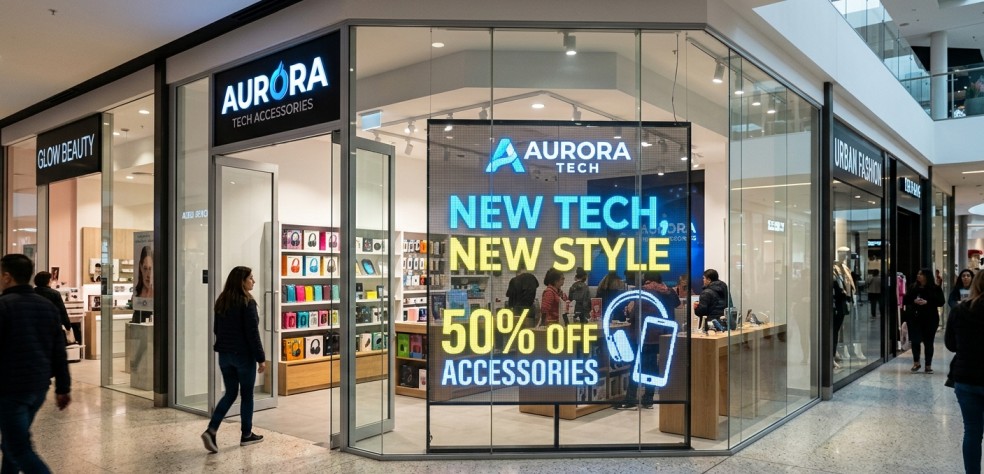
Businesses across Kuala Lumpur and beyond are actively upgrading their visual displays to capture customer attention. A flexible led screen bends and curves to fit unique architectural spaces, offering a striking alternative to traditional flat panels. These dynamic displays are growing rapidly in popularity across Malaysia, appearing in shopping centres, corporate lobbies, and immersive exhibitions.
However, budgeting for these innovative displays requires an understanding of several different elements. The final price tag depends on a variety of specifications, from the physical size of the display to the underlying technology powering the diodes. This guide will break down the primary cost factors, explore average price ranges in Malaysia, and help you determine the true value of your investment.
Factors Influencing Flexible LED Screen Costs
Understanding the technical and logistical elements of LED displays will help you make a more informed purchasing decision. Here are the primary factors that dictate the final cost.
Screen Size and Resolution
The most obvious cost driver is the sheer size of the display. Larger screens require more materials, components, and labour. Alongside size, resolution plays a massive role. Higher resolutions demand more LED diodes packed into a specific area, which naturally drives up the manufacturing price.
Pixel Pitch (P1.25, P2, P3, etc.)
Pixel pitch refers to the distance in millimetres between the centre of one pixel and the centre of the next. A smaller pixel pitch (such as P1.25 or P2) means a higher pixel density, resulting in a sharper image that is suitable for close-up viewing. These low-pitch screens are significantly more expensive than higher-pitch options (like P4 or P5) designed for distant viewing.
Screen Curvature and Design Complexity
Standard flat screens are relatively straightforward to manufacture. When you introduce custom curves, waves, or cylindrical shapes, the engineering complexity increases. Custom-moulded frames and highly flexible modules require specialised production techniques, adding to the overall cost.
Brightness and Refresh Rate
Screens located in brightly lit areas require high brightness levels to remain visible. High brightness diodes and premium driving ICs (integrated circuits) that ensure a high refresh rate will increase the cost. A high refresh rate ensures smooth video playback and prevents flickering, which is especially important if the screen will be photographed or filmed.
Indoor vs. Outdoor Use
Outdoor screens face harsh weather conditions. They require robust waterproofing, dust resistance, and enhanced brightness to combat direct sunlight. These protective measures make outdoor flexible screens noticeably more expensive than their indoor counterparts.
Brand and Manufacturer
Sourcing your screen from a highly reputable, established brand generally comes with a premium price tag. These manufacturers often use superior components, enforce stricter quality control, and offer better reliability compared to generic or lesser-known alternatives.
Warranty and After-Sales Support
A comprehensive warranty and reliable after-sales support are crucial for complex technology. Suppliers offering extended warranties and rapid on-site maintenance in Malaysia will often build these service costs into the initial purchase price.
Installation Costs
Mounting a curved digital display is a specialised task. Professional installation involves structural assessments, custom framing, power routing, and calibration. The complexity of your venue will directly influence these labour costs.
Additional Features
Interactive capabilities, custom software integrations, or specialised protective coatings will further increase the required budget. If you need your screen to respond to touch or integrate with external data feeds, expect to pay for the necessary hardware and software upgrades.
Average Cost Ranges in Malaysia
While exact prices fluctuate based on specific project requirements and exchange rates, we can categorise installations to give you a rough idea of the expected financial commitment.
Small-scale installations
Retail window displays, individual exhibition booths, or small architectural focal points usually require screens under 5 square metres. For indoor use with a moderate pixel pitch (e.g., P3 or P4), costs can range from a few thousand to tens of thousands of Ringgit, depending on the design complexity and installation requirements.
Medium-scale installations
Corporate lobby centrepieces, medium-sized exhibition stands, or dynamic stage backdrops typically range from 5 to 20 square metres. These projects often utilise tighter pixel pitches (P2 or P2.5) for premium visual quality. Budgets for these projects scale significantly, often requiring tens to hundreds of thousands of Ringgit.
Large-scale installations
Massive shopping mall displays, building facades, or immersive 360-degree rooms demand extensive engineering and massive quantities of LED modules. These flagship projects are highly bespoke and represent a major capital investment, easily reaching into the hundreds of thousands or even millions of Ringgit.
Cost vs. Value: Why Invest in a Flexible Display?
While the initial outlay can be substantial, businesses must weigh the cost against the tangible benefits and potential return on investment.
Enhanced Visual Appeal and Engagement
A curving, flowing digital canvas instantly captures attention. It breaks the monotony of flat screens and creates a memorable visual experience. This heightened engagement is invaluable for retail environments and brand activations.
Versatility in Application
Flexible modules can wrap around columns, form seamless corners, or create overhead canopies. This versatility allows architects and designers to integrate digital media into spaces where traditional screens simply would not fit.
Durability and Lifespan
Commercial-grade LED screens are built to last. With proper maintenance, a high-quality flexible screen can operate continuously for up to 100,000 hours. This longevity ensures your investment continues to deliver value over many years.
ROI for Businesses
For retail and advertising, dynamic digital displays consistently outperform static signage in driving foot traffic and sales. The ability to instantly update content and run targeted campaigns provides an ongoing return on the initial hardware investment.
Tips for Choosing a Supplier in Malaysia
Securing the best value requires careful selection of your technology partner. Keep these tips in mind when evaluating potential suppliers.
Research and Reputation
Look for suppliers with a proven track record of successful installations in Malaysia. Request case studies and portfolios to verify their experience with flexible screen projects.
Get Multiple Quotes
Never settle for the first price you receive. Obtain detailed quotes from at least three different providers. Ensure each quote clearly itemises hardware, software, installation, and support costs so you can make an accurate comparison.
Check for Certifications and Quality Standards
Ensure the hardware meets international safety and quality standards (such as CE, RoHS, or FCC). High-quality components are essential for safety and long-term reliability.
Evaluate Technical Support and Maintenance
Technology occasionally fails. Assess the supplier’s response times and local support capabilities. A local Malaysian team that can provide rapid on-site troubleshooting is highly preferable to a supplier relying entirely on overseas support.
Making the Right Choice for Your Display Needs
Budgeting for a flexible visual display requires a careful balancing act between your creative vision and technical requirements. Size, pixel pitch, design complexity, and installation environment all play pivotal roles in determining the final cost. By understanding these variables, you can accurately specify a screen that meets your business goals without overspending on unnecessary features.
As manufacturing techniques improve, flexible LED technology is gradually becoming more accessible. We can expect to see even tighter pixel pitches, increased flexibility, and improved energy efficiency in the coming years. By choosing a reputable supplier and focusing on long-term value, your organisation can leverage this dynamic technology to create truly unforgettable physical spaces.
About the Author