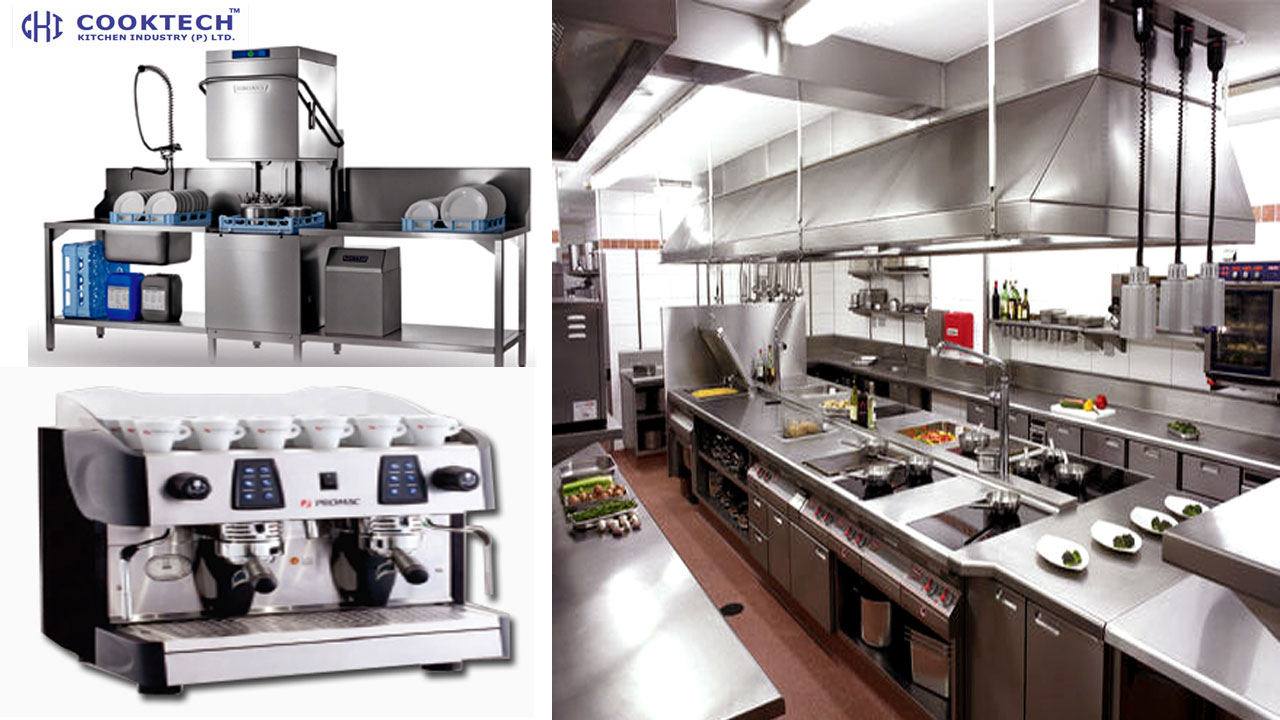
A restaurant may attract customers with its menu, but its success depends heavily on what happens inside the kitchen. Behind every perfectly prepared meal is a well-equipped commercial kitchen designed for speed, consistency, hygiene, and efficiency.
Whether you are launching a new restaurant, cloud kitchen, café, hotel, bakery, or catering business, sele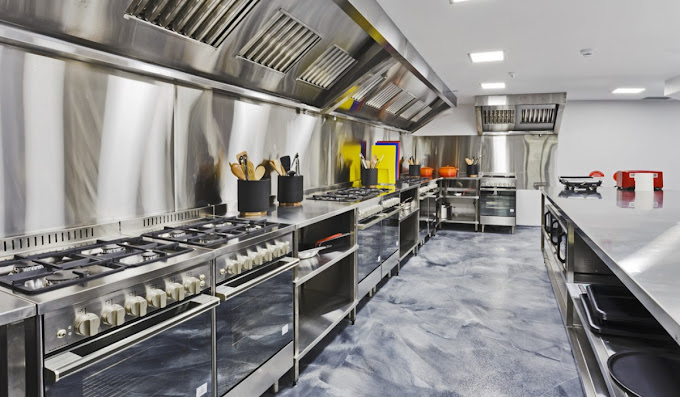 cting the right commercial kitchen equipment is one of the most important investments you will make. The quality of your equipment directly affects food preparation time, staff productivity, operating costs, and customer satisfaction.
Many restaurant owners focus on interiors and branding while overlooking kitchen infrastructure. However, even the most attractive restaurant cannot succeed if the kitchen struggles to handle daily operations efficiently.
Why Commercial Kitchen Equipment Matters
Commercial kitchen equipment is designed specifically for continuous use in demanding environments. Unlike household appliances, commercial equipment can operate for long hours while maintaining consistent performance.
A properly equipped kitchen helps reduce food preparation time, improve hygiene standards, minimize operational delays, and increase overall profitability. It also allows chefs to work more efficiently during peak service hours when speed and consistency are critical.
Essential Equipment Every Commercial Kitchen Needs
Commercial Cooking Range
The cooking range is the heart of any restaurant kitchen. From preparing curries and gravies to sautéing vegetables and boiling ingredients, it handles multiple cooking tasks throughout the day.
Restaurants that serve high customer volumes require heavy-duty cooking ranges capable of maintaining consistent heat and supporting continuous operation.
Commercial Refrigeration Equipment
Fresh ingredients are the backbone of quality food. Refrigeration equipment ensures that vegetables, dairy products, meat, seafood, and prepared ingredients remain safe for consumption.
A commercial refrigeration setup may include upright refrigerators, deep freezers, under-counter chillers, and cold storage units depending on the scale of operations.
Proper refrigeration not only preserves food quality but also reduces wastage and helps restaurants comply with food safety regulations.
Exhaust and Ventilation System
A busy kitchen generates heat, smoke, grease, and odors. Without proper ventilation, the working environment becomes uncomfortable and potentially unsafe.
A high-performance exhaust system removes airborne grease and excess heat while improving air circulation throughout the kitchen. It also contributes significantly to fire safety and cleanliness.
Stainless Steel Preparation Area
Food preparation requires durable and hygienic work surfaces. Stainless steel tables are widely preferred because they resist corrosion, are easy to sanitize, and withstand daily wear and tear.
A well-organized preparation area improves workflow and helps staff work more efficiently during busy service periods.
Commercial Oven
Restaurants serving baked dishes, pizzas, desserts, or roasted foods depend on reliable commercial ovens.
Modern commercial ovens offer precise temperature control, faster cooking times, and consistent results, helping maintain food quality regardless of order volume.
Deep Frying Equipment
For restaurants offering fast food, snacks, or fried specialties, commercial fryers are indispensable.
They allow food to cook evenly while maintaining the crisp texture customers expect. High-capacity fryers also improve production speed during rush hours.
Food Processing Equipment
Manual food preparation consumes valuable time and labor. Commercial food processors simplify repetitive tasks such as chopping, slicing, mixing, grinding, and blending.
These machines improve consistency while reducing preparation time significantly.
Dishwashing and Cleaning Equipment
Clean utensils and cookware are essential for maintaining hygiene standards. Commercial dishwashing systems help restaurants manage large volumes of dishes efficiently while ensuring proper sanitation.
Automated cleaning equipment also reduces labor costs and improves operational efficiency.
Common Mistakes Restaurant Owners Make While Purchasing Equipment
One of the biggest mistakes is purchasing equipment based solely on price. Low-cost equipment often results in higher maintenance expenses and frequent breakdowns.
Another common mistake is buying equipment without considering kitchen layout and workflow. Poor planning can create congestion, reduce productivity, and affect service speed.
Many businesses also underestimate future growth. Investing in slightly higher-capacity equipment can prevent costly upgrades later.
How Quality Equipment Improves Restaurant Profitability
The right equipment contributes directly to business growth. Faster preparation times allow kitchens to handle more orders. Energy-efficient systems reduce electricity consumption. Reliable equipment minimizes downtime and maintenance costs.
Most importantly, consistent food quality leads to better customer experiences, positive reviews, and repeat business.
When viewed from a long-term perspective, investing in premium commercial kitchen equipment is not an expense but a strategic business decision.
Choosing the Right Commercial Kitchen Equipment Supplier
A reliable supplier should offer quality products, customization options, installation support, and dependable after-sales service.
Before making a purchase, restaurant owners should evaluate product quality, warranty coverage, service availability, and the supplier’s experience in commercial kitchen projects.
Conclusion
Commercial kitchen equipment forms the operational backbone of every successful food business. Restaurant kitchen equipment From cooking and refrigeration to preparation and cleaning, every piece of equipment plays a vital role in maintaining efficiency and delivering quality food.
Businesses that invest in durable, energy-efficient, and professionally designed kitchen equipment create a strong foundation for long-term success. Whether you are opening a small café or managing a large hotel kitchen, choosing the right equipment today can significantly influence your growth and profitability in the years ahead.
About the Author