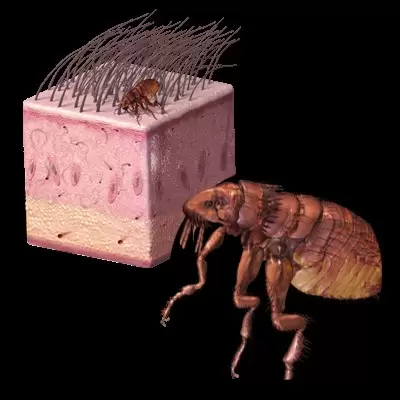
Keeping pets indoors can protect them from many dangers, such as getting lost or being exposed to infections. After all, if your dog remains inside, pests can’t find their way in. Right? But what if we tell you that even indoor pets can catch fleas?
Yes, fleas can be a problem even for pets who stay indoors. Flea bites can cause itching, discomfort, and even anemia in pets. In this blog, we’ll cover how fleas affect indoor dogs, how infestations happen, and why flea prevention for pets is important.
Can Indoor Pets Really Get Fleas?
No matter where your dog spends most of its time, it is still vulnerable to fleas. Fleas are tiny parasites that can easily travel into your home, even if your dog never goes outside. We’ll talk about it in the next section.
One thing you should know about fleas is that they reproduce rapidly. Once they enter your home, they lay eggs on carpets, furniture, and pet bedding. And before you know it, they spread throughout your home.
This is why flea prevention for pets, especially indoor dogs, is important.
How Do Fleas Enter Your Home?
Fleas often find their way into homes without dogs ever stepping outside. But how? Here are some ways fleas get indoors.
1. Through You
Out of nowhere, fleas might latch onto clothes, shoes, or even a backpack when you walk through grass, parks, or areas where other animals have been. You may not notice them until they’ve already made their way indoors behind you.
2. Other Pets
Fleas might hitch a ride inside when your pet cats that roam outside come home. They pass them to your dog without meaning to.
3. Visitors
Flea eggs or larvae might enter your house with guests who have pets or have been outdoors. Even clean homes aren’t safe if something sneaks through the door on shoes or fur.
4. Wildlife Near Your Home
Rodents, stray animals, or even birds near your house can introduce fleas to your surroundings, which can then find their way inside.
No matter how careful you are, completely eliminating these risks is nearly impossible. That’s why consistent flea prevention for pets plays such a crucial role.
Signs Your Indoor Dog May Have Fleas
Since indoor dogs are less likely to get fleas, infestations can go unnoticed for longer. Keep an eye out for these common signs:
Fleas might sneak up more easily on indoor dogs simply because nobody thinks it will happen. Here are the common signs your dog may have fleas:
Frequent scratching or biting at the skin.
Red or irritated patches.
Small black specks (flea dirt) in the fur.
Hair loss in certain areas.
Restlessness or discomfort.
It’s important to act quickly if you notice any of these symptoms. Fleas multiply fast and spread quickly. Therefore, taking an early action can keep things from getting worse.
How do Fleas Impact Your Dog’s Health?
Flea bites may invite health troubles for your pet, as follows:
Skin Problems
Flea bites can cause itching, sometimes sparking allergies that leave skin red and sore. Infections creep in if the area gets irritated over time.
Anemia
Fleas feeding on little dogs might drain so much blood that it may cause anemia.
Disease Transmission
Though tiny, fleas can transfer harmful parasites like tapeworms and may spread certain diseases.
This makes flea prevention for pets not just about comfort, but also about protecting your dog’s overall health.
Preventing Fleas in Indoor Dogs
Here are a few practical ways to prevent fleas in indoor dogs.
1. Use Preventive Treatments Regularly
Flea prevention matters just as much indoors as out. A trusted vet might suggest topical treatments, oral medications, or flea collars. Each option works differently but aims for the same result.
Sticking to a schedule matters most. Missed treatments open doors to risk. Therefore, flea prevention for pets is important.
2. Keep Your Home Clean
Vacuum carpets, rugs, and furniture frequently. Upholstery holds onto debris just like flat surfaces do. And so regular cleaning helps reduce the risk of infestation.
It’s also important to wash your dog’s bedding and toys regularly. Do this in hot water to kill any fleas or eggs.
3. Groom Your Dog Often
Besides keeping fur neat, brushing your dog’s coat helps you notice fleas before they spread. You can also use a flea comb to check for signs of infestation.
4. Limit Exposure Risks
Though you can’t control everything, simple habits like removing shoes outside or cleaning pet carriers lower the risk of bringing in fleas.
5. Maintain a Year-Round Routine
Fleas stick around even when summer ends. Inside homes where it stays warm, they keep living through every season. That’s the reason why flea prevention for pets should never take a break.
What to Do If Your Indoor Dog Gets Fleas
Here’s what you should do if you discover fleas on your dog.
Start a vet-approved flea treatment immediately.
Clean your home thoroughly, including vacuuming and washing fabrics.
Treat all pets in the household, even if they don’t show symptoms.
Repeat cleaning regularly to eliminate eggs and larvae.
Getting rid of fleas takes time and persistence, but with the right steps, you can fully eliminate them.
Looking at Overall Parasite Protection
While fleas are a common concern, they’re not the only parasites pet owners should think about. Dogs can also be at risk from other parasites that affect their health in different ways.
A well-rounded care plan often includes protection against multiple threats. Toward this, many pet owners consider heartworm, tick, and flea prevention for dogs as part of a complete approach to their pet’s health. This ensures your dog is covered from a variety of risks, not just fleas.
Conclusion
Indoor dogs may seem less exposed, but they are not immune to fleas. These pests can enter your home in unexpected ways and quickly become a problem if left unchecked. You can keep your pet safe by staying consistent with flea prevention for pets.
As a pet owner, having access to a trusted pet care brand that focuses on simplifying protection routines makes all the difference. Atlas Pet Hospital ensures that your pets stay healthy and happy. Choosing the right support can help you stay ahead of fleas and other parasites.
About the Author