Imagine a munitions storage facility preparing for an inspection. Maintenance teams want confidence that ventilation isolators will perform if a blast occurs, but they can’t subject the site to live detonations. Can you test blast valves before an emergency and still protect personnel and systems? The short answer is yes — with the right procedures, test equipment, and manufacturer-backed protocols you can validate performance without risking safety or invalidating warranties.
What blast valves are
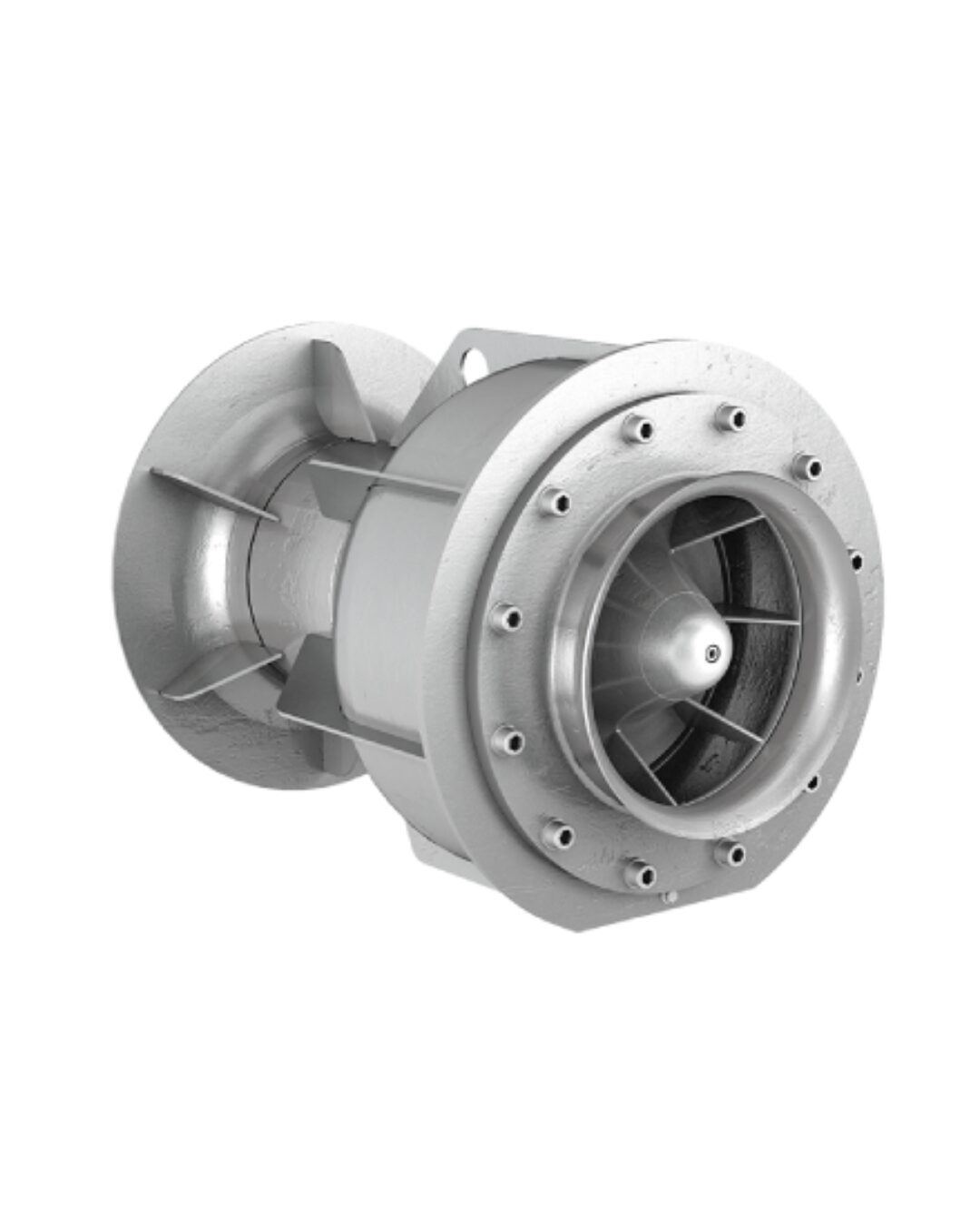
Blast valves are engineered isolating devices installed in ductwork to protect pressurised spaces from shock waves, overpressure, and hot-gas or flame propagation. They remain open during normal HVAC operation to allow ventilation and automatically close (or throttle) when a rapid pressure transient is detected. Their role is critical for bunkers, shelters, and high-risk industrial areas where maintaining breathable air and preventing pressure transmission are both essential.
How blast valves work under explosion pressure
Under normal airflow, blast valves offer low resistance so HVAC systems meet design CFM. When a shock front arrives, sensing elements (mechanical, pneumatic, or electronic) detect the rapid pressure rise. The closure mechanism — spring-loaded plates, poppets, or pivoting blades — snaps shut to isolate downstream spaces from peak overpressure.
Key protective actions include:
Rapid pressure regulation to block the peak of the shockwave.
Structural absorption of impulse loads to prevent fragmentation or duct failure.
Controlled venting or staged re-open sequences on some designs to avoid damaging rebound pressures.
Automatic or manual reset depending on model and safety policy.
Key features of blast valves
When testing or specifying blast valves, evaluate core features that determine in-service performance:
Pressure resistance: Rated peak overpressure and impulse (psi-ms or bar-ms) must match threat scenarios.
Structural strength: Reinforced housings and internal supports to withstand dynamic loading.
Corrosion resistance: Coatings or stainless/duplex materials for coastal, chemical, or humid environments.
Durability: Fatigue-tested components for repeated training detonations or process upsets.
Sealing efficiency: Tight closure to prevent hot-gas ingress and contamination.
Airflow management: Low-normal pressure drop and sufficient free area to preserve HVAC performance.
Safety performance: Fail-safe closure modes, clear status indicators, and easy access for inspection.
Where blast valves are used
Typical applications include:
Bunkers and shelters — a primary use-case where blast valve for bunker selection is critical.
Industrial facilities — chemical, petrochemical, and process plants with explosion risk.
Defense infrastructure — hardened command centres and ammunition handling buildings.
HVAC systems — integrating blast valves preserves life-safety ventilation while limiting pressure propagation (blast valve HVAC considerations).
Power plants and substations — protecting control rooms and sensitive equipment.
Hazardous environments — dust- or vapour-prone areas where containment is essential.
Can you test blast valves before an emergency?
Yes. Testing falls into two complementary approaches: non-destructive functional checks and certified performance tests.
Routine functional checks (on-site)
Visual inspection: Check for corrosion, debris, and seal condition. Simple but essential.
Manual actuation: Most valves allow manual closure/opening to verify mechanisms move freely.
Indicator verification: Confirm open/closed position indicators and interlocks with BMS.
Pneumatic/electrical tests: Simulate pressure input to sensors or trigger electrical actuators to verify response.
Leak testing: Use pressure decay or tracer-gas methods to quantify seal integrity without overpressure.
These tests are safe, low-cost, and suitable for regular scheduled maintenance. They won’t validate full blast ratings but confirm readiness.
Certified performance tests (lab or witnessed)
Shock-tube or blast-chamber testing replicates the overpressure and impulse a valve must withstand. These are the gold standard to validate design ratings.
Third-party witnessed tests provide evidence for compliance to specifications and procurement requirements.
Manufacturers or specialised test houses perform these tests; they are expensive but necessary for new designs or critical installations.
How to plan tests safely
Consult the manufacturer first to learn permitted functional tests and limits to avoid damaging the valve or voiding warranties.
Develop a test protocol: define objectives (functional readiness vs certified rating), safety controls, and pass/fail criteria.
Isolate systems and notify all stakeholders, including safety and HVAC teams.
Use calibrated test equipment (pressure meters, flow meters, data loggers) and record results.
For full-scale testing, engage accredited test houses and use witnessed procedures.
Factors affecting blast valve price in India (relevant to testing and replacement)
Blast valve price depends on:
Material quality: higher-grade alloys cost more but reduce maintenance and extend life.
Pressure rating: higher-rated valves need stronger components and testing, increasing price.
Design complexity: multi-stage closures and actuators add cost.
Custom engineering: retrofits or site-specific geometries raise fabrication costs.
Certification and testing: third-party test evidence adds to procurement cost.
Installation environment and access: difficult sites increase labour and modification expenses.
Manufacturing precision and size/airflow capacity: larger or tight-leakage designs cost more.
How to choose blast valve manufacturers in India
When procuring, evaluate:
Industry experience and reference installs in similar environments.
Engineering standards and the presence of FEA or validated design calculations.
Product testing and third-party certification history.
Customisation capability to match your HVAC ducts, control logic, and integration needs.
Technical support for commissioning, testing and lifecycle maintenance.
Spare parts availability and warranty terms for long-term reliability.
Avoid these common mistakes
Relying only on price: inexpensive units may lack tested ratings or robust seals.
Ignoring pressure ratings: mismatch between rated impulse and real threats is dangerous.
Poor HVAC compatibility: excessive pressure drop or incorrect free area will degrade ventilation.
Skipping manufacturer guidance: unapproved tests can damage valves or void guarantees.
Treating Blast Gate or Blast damper as equivalent: these components serve different functions; ensure blast-rated certification for overpressure protection.
For an overview of tested product lines and typical specifications, review industrial blast protection solutions.
Conclusion
You can and should test blast valves before an emergency using a layered approach: routine functional checks for readiness and certified performance tests for rating validation. Work with experienced manufacturers and accredited test houses, follow safe test protocols, and prioritise verified pressure ratings over price alone. Proper testing and procurement protect lives, maintain ventilation performance, and ensure your blast mitigation measures perform when they’re needed most.
About the Author