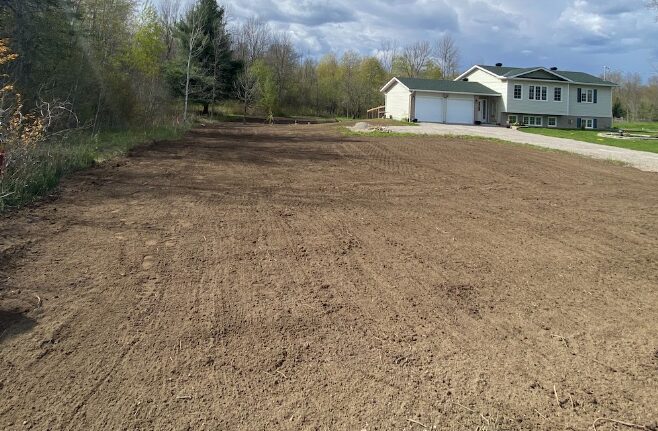
Property grading controls how water moves on your land and protects your foundation, landscaping, and property value. Proper grading slopes the ground away from your home so water drains safely off the lot, reducing basement leaks, erosion, and costly repairs.
You will learn how grading works, what signs show you have a problem, and the basic steps professionals use to regrade a site. Knowing these practical facts helps you spot trouble early, plan fixes, and decide whether to tackle small adjustments yourself or call a contractor.
This post will walk you through the key concepts and the grading process so you can confidently evaluate your property and prioritize the actions that prevent water damage and preserve value.
Understanding Property Grading
Property grading controls how the land around a building sits, how water flows, and how the site supports structures and landscaping. Expect clear definitions, common grading types, and the standards that determine safe, compliant slopes and elevations.
Definition and Purpose
Property grading means shaping the ground around your building so surfaces slope to direct water away from foundations. Proper grading reduces ponding, prevents basement dampness, and protects landscaping and adjacent properties from runoff.
You focus on two practical goals: surface drainage and structural protection. Surface drainage uses slopes and swales to move stormwater to drains or retention areas. Structural protection maintains consistent elevations and compaction so foundations, driveways, and hardscapes remain stable.
Key elements you should check include finished grade elevations, slope percentages near foundations, and the presence of positive drainage away from the structure. Inspect these after construction and after major landscaping changes.
Types of Property Grading
There are several common grading approaches you will encounter: positive grading, stepped grading, and engineered grading.
- Positive grading: Slopes away from the building, typically 2% (1:50) or greater for the first 1–2 meters near foundations. This prevents water from pooling next to walls.
- Stepped grading: Uses terraces or retaining walls on sloped lots to create level areas for structures and yards while controlling erosion.
- Engineered grading: Involves a civil or geotechnical engineer for complex sites, including cut-and-fill balance, compaction specifications, and stormwater routing.
You may also see specialized features like swales, berms, and French drains incorporated into grading plans. Choose the type based on lot slope, soil conditions, local code, and existing drainage patterns.
Grading Standards and Criteria
Local building authorities and engineers set the metrics you must meet: minimum slope, elevation tolerance, and inspection checkpoints.
Common benchmarks include:
- Minimum slope of 2% (about 1/4 inch per foot) away from foundations for the first 1–2 meters.
- Specified elevation tolerances (often ±25–50 mm) for finished grade relative to plan.
- Requirement for lot grading certificates or municipal inspections before occupancy or final approvals.
Materials and compaction matter. Specifications often call for engineered fill, layered compaction to a percent of maximum dry density, and erosion control measures for disturbed ground. You should review the grading plan, verify finished elevations with a surveyor, and ensure stormwater features match the approved design.
Property Grading Process
You will prepare the site, choose the right tools and materials, and adjust the work for soil, drainage, and local codes to ensure water moves away from structures. The steps below explain how to assess conditions, what equipment and materials to use, and which factors change the final grading.
Site Assessment Steps
Start by locating finished floor elevations and existing grade points using a laser level or transit and record them on a site plan. Mark utilities and easements before any digging; contact local utility-locate services to avoid damaging lines.
Inspect soil type by digging test pits or using a hand auger. Note permeability, organic content, and presence of clay or rock because these determine cut/fill limits and compaction needs. Identify natural drainage paths, low spots, and where runoff currently ponds after storms.
Check surrounding drainage infrastructure: curb inlets, swales, and neighboring grades. Verify municipal lot grading requirements and setback constraints. Finally, calculate cut-and-fill volumes to estimate haul and compaction work, and set control points for grade stakes.
Equipment and Materials Used
Common grading equipment includes skid steers and mini-excavators for small yards, and bulldozers or track loaders for larger lots. You will use a motor grader for fine grading on expansive sites and a plate compactor or vibratory roller to achieve required soil density.
Essential materials include clean fill (granular soil or engineered fill), topsoil for landscaping, drainage rock, and perforated drainpipe for sub-surface drains. Use geotextile fabric where mixing of fill and native soil is a concern or to stabilize slopes.
Hand tools—rakes, shovels, and wheelbarrows—help finish slopes near foundations and planting beds. Safety gear, stakes, grade markers, and a laser level complete the kit so you can maintain accurate slopes and meet compaction specifications.
Factors Affecting Grading Outcomes
Soil composition strongly influences compaction effort and settling rates; clay shrinks and swells with moisture, while sandy soils drain quickly but may require stabilization. You must test and document soil properties to set compaction targets and select appropriate fill.
Slope length and gradient affect erosion potential and runoff velocity. Steeper, longer slopes need terracing, erosion control blankets, or retaining structures to prevent soil loss. Local rainfall intensity and seasonal freeze-thaw cycles also change how you design slopes and select vegetation.
Regulatory constraints—municipal lot grading bylaws, stormwater management rules, and neighbor easements—may dictate minimum slope away from foundations, discharge points, and allowable alterations. Budget and access limitations change equipment choices and phasing, so plan logistics to limit rework and disturbance.
About the Author