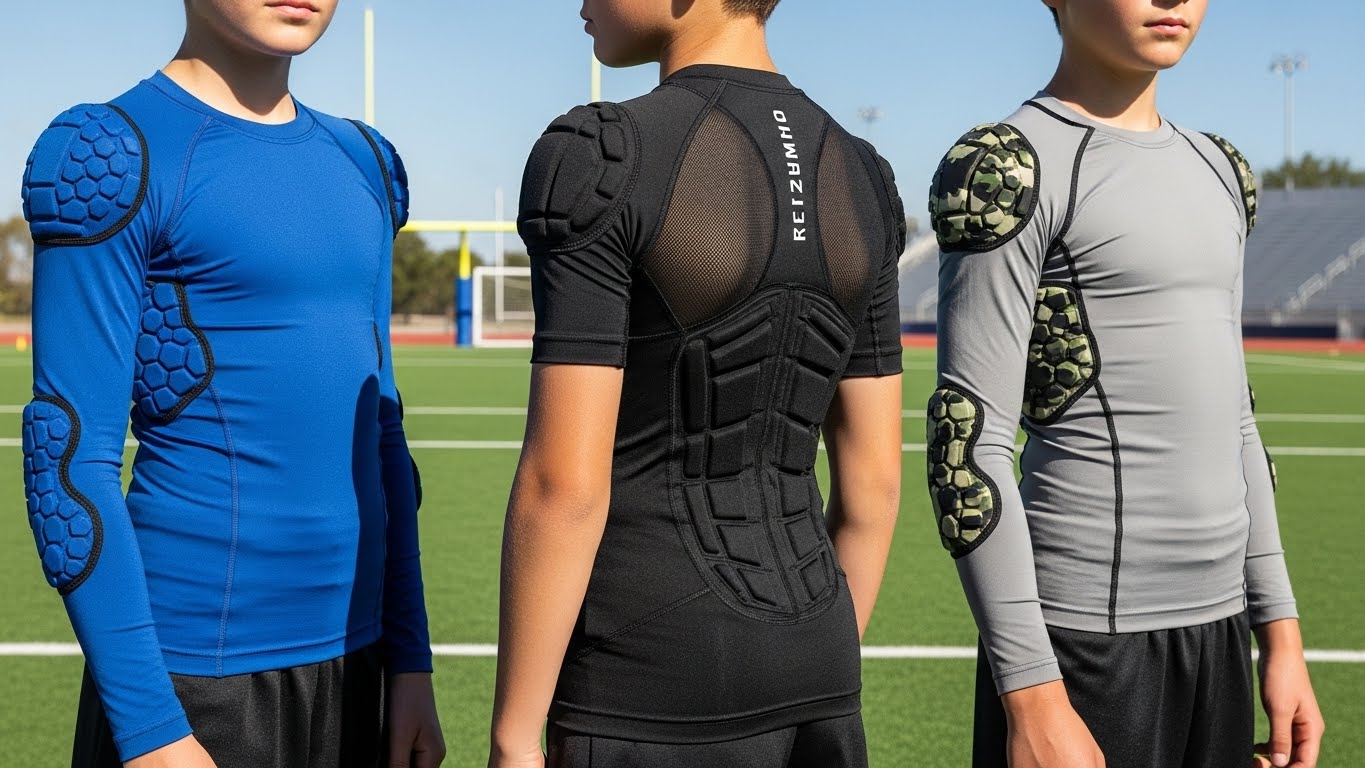
Contact sports expose young athletes to inherent physical risks that concern parents, coaches, and medical professionals alike. As youth participation in football, lacrosse, hockey, and rugby continues to grow, the demand for effective protective equipment has intensified. Youth padded compression shirts have emerged as a critical safety innovation, providing targeted impact protection that significantly reduces injury risk while allowing young athletes to compete with confidence and freedom of movement.
The Injury Landscape in Youth Contact Sports
Youth contact sports carry substantial injury risks that differ significantly from adult competition. According to the Centers for Disease Control and Prevention, approximately 2.6 million children aged 0-19 are treated in emergency departments annually for sports and recreation-related injuries. Contact sports account for a disproportionate share of these incidents, with football alone responsible for over 400,000 youth injuries each year.
The most common injuries in youth contact sports include contusions, shoulder injuries, rib impacts, and sternum trauma. Research published in the Journal of Athletic Training indicates that torso impacts account for 23% of all contact sport injuries among athletes aged 12-18, with many of these injuries being preventable through proper protective equipment.
Young athletes face unique vulnerability due to their developing musculoskeletal systems. Bones, ligaments, and connective tissues in adolescents haven’t fully matured, making them more susceptible to injury from impacts that might not harm fully developed adults. This physiological reality makes appropriate protection not just beneficial but essential for safe participation.
How Youth Padded Compression Shirts Provide Protection
Youth padded compression shirts integrate impact-absorbing foam padding into a compression base layer worn beneath traditional uniforms and equipment. Strategic padding placement protects vulnerable areas including the shoulders, ribs, sternum, spine, and sometimes the kidneys and tailbone, depending on the specific design.
The compression fabric serves multiple protective functions beyond simply holding pads in place. The tight fit reduces muscle oscillation during impact, which helps minimize soft tissue damage. Compression also provides proprioceptive feedback—enhanced awareness of body position—that may help athletes instinctively protect themselves more effectively during contact situations.
Modern youth football padded compression shirts typically utilize closed-cell foam technology that absorbs and disperses impact energy across a wider surface area. When a collision occurs, the foam compresses to absorb kinetic energy, preventing that force from concentrating on bones and organs. High-quality pads can reduce peak impact forces by 30-50% according to testing conducted by sports equipment certification organizations.
Targeted Protection for High-Risk Areas
Strategic pad placement in youth padded compression shirts addresses the specific injury patterns observed in youth contact sports. Shoulder pads protect the AC joint, clavicle, and surrounding soft tissue from direct impacts and falls. Rib padding shields the thoracic cage from lateral impacts that can cause contusions, fractures, or even more serious internal injuries.
Sternum protection proves particularly important in youth athletes. The sternum and underlying heart remain vulnerable to commotio cordis—a rare but potentially fatal condition where chest impact during a critical moment of the cardiac cycle causes sudden cardiac arrest. While primarily associated with baseball impacts, this risk exists in any contact sport. Chest padding provides an additional protective layer that can reduce impact severity.
Spine padding along the thoracic and lumbar regions protects against impacts during tackles and falls. While these pads don’t replace proper tackling technique instruction, they provide valuable protection during the unpredictable contact situations that characterize youth sports where skill levels vary considerably.
Injury Prevention Through Impact Distribution
The fundamental protective mechanism of youth padded compression shirts lies in impact force distribution. Unprotected impacts concentrate forces on small surface areas, creating high-pressure points that cause tissue damage. Padding spreads these forces across larger areas, reducing peak pressures below injury thresholds.
A biomechanics study from the University of Virginia measured impact forces on youth athletes wearing padded compression shirts versus those wearing only traditional equipment. The research found that compression shirts reduced localized impact forces on the ribs by an average of 38% and shoulder impacts by 42%. These reductions translate directly to decreased injury incidence.
Furthermore, youth football padded compression shirts protect against cumulative microtrauma—the small impacts that don’t cause immediate injury but accumulate over a season to create chronic pain and long-term tissue damage. By cushioning these repetitive minor impacts, compression shirts may prevent overuse injuries that often don’t manifest until later in athletic careers.
Psychological Benefits and Confidence
Beyond physical protection, youth padded compression shirts provide psychological benefits that indirectly reduce injury risk. Young athletes wearing protective equipment report feeling more confident and less fearful during competition, according to surveys conducted by the National Athletic Trainers’ Association.
This confidence manifests in improved technique and decision-making. Athletes who fear injury often hesitate during critical moments, leading to tentative play that actually increases injury risk through poor positioning and incomplete execution. Protected athletes play more decisively, maintaining proper technique that represents the best injury prevention strategy of all.
Parents also experience reduced anxiety when their children wear additional protection, making them more comfortable with youth sports participation. This psychological benefit shouldn’t be underestimated, as parental concerns about injury represent one of the primary reasons families avoid or abandon contact sports participation.
Complementing Traditional Protective Equipment
Youth football padded compression shirts work synergistically with traditional protective equipment rather than replacing it. In football, compression shirts supplement shoulder pads by protecting areas that hard-shell equipment doesn’t cover, including the lower ribs, sternum, and spine below the shoulder pad margin.
The compression layer also prevents equipment shifting during play—a common problem with youth athletes whose bodies are still growing. Shoulder pads that shift out of position leave areas exposed to impact. The compression shirt maintains consistent protection even when other equipment moves.
In sports like lacrosse and hockey where protective equipment coverage is less comprehensive than football, youth padded compression shirts fill critical protection gaps. They provide torso protection without the bulk and heat retention of additional hard equipment, allowing athletes to maintain mobility and comfort while gaining safety benefits.
Material Technology and Comfort Considerations
Modern youth football padded compression shirts utilize advanced materials that balance protection with comfort and mobility. Moisture-wicking fabrics prevent overheating by pulling sweat away from the skin, a crucial consideration since young athletes have less developed thermoregulatory systems than adults.
Four-way stretch fabrics accommodate the full range of athletic movement without restricting performance. The compression fit eliminates excess material that could bunch, chafe, or interfere with movement. Flatlock seams prevent skin irritation during extended wear, and antimicrobial treatments inhibit odor-causing bacteria growth.
Pad attachment methods have evolved significantly, with many contemporary designs using integrated pockets or permanent attachment systems that prevent pad migration during washing or wear. Removable pads allow customization based on position-specific needs and simplify cleaning.
Age-Appropriate Sizing and Fit
Proper fit is essential for youth padded compression shirts to provide effective protection. Equipment that’s too large shifts during play, leaving areas exposed and potentially interfering with movement. Undersized equipment restricts breathing and circulation while creating pressure points that cause discomfort.
Quality manufacturers offer extensive youth sizing ranges with measurements based on chest circumference, height, and weight. Some brands provide position-specific models with padding configurations optimized for linemen, skill positions, or specific sports like lacrosse or rugby.
Growth considerations present unique challenges for youth equipment. Parents and programs must balance the desire to purchase equipment that lasts multiple seasons against the need for proper fit. Many organizations establish replacement protocols that ensure athletes receive appropriately sized protection as they grow.
Evidence-Based Injury Reduction
Multiple research studies have documented the injury prevention benefits of youth football padded compression shirts. A three-year longitudinal study following 2,400 youth football players across 47 teams found that athletes wearing padded compression shirts experienced 31% fewer torso contusions and 27% fewer shoulder injuries compared to control groups wearing only traditional equipment.
Emergency department data from children’s hospitals corroborates these findings. Analysis of sports injury admissions shows declining rates of rib and shoulder injuries correlating with increased adoption of supplemental protective equipment including compression shirts. While multiple factors influence injury rates, the protective equipment contribution appears significant.
Cost-Effectiveness for Youth Programs
Youth padded compression shirts represent a cost-effective safety investment for families and programs. Quality shirts retail for $40-80, significantly less than traditional hard-shell protective equipment while providing meaningful injury reduction benefits. The durability of modern compression shirts—typically lasting 2-3 seasons with proper care—further enhances value.
Injury prevention also generates indirect cost savings through reduced medical expenses, fewer missed practices and games, and decreased long-term healthcare needs. Youth sports injuries cost American families an estimated $1.8 billion annually in emergency department visits alone, not including follow-up care, rehabilitation, or lost wages for parents missing work.
Conclusion
The integration of youth padded compression shirts into contact sports equipment protocols represents a significant advancement in athlete safety. By providing targeted impact protection, distributing collision forces, and complementing traditional equipment, these innovative garments meaningfully reduce injury risk for young athletes participating in football, lacrosse, hockey, and other contact sports.
As material technology continues advancing and research further documents protective benefits, youth football padded compression shirts will likely become standard equipment rather than optional accessories. For parents, coaches, and organizations committed to keeping young athletes safe while preserving the valuable lessons and experiences contact sports provide, these protective garments offer an evidence-based solution that balances safety, performance, and practicality.
About the Author