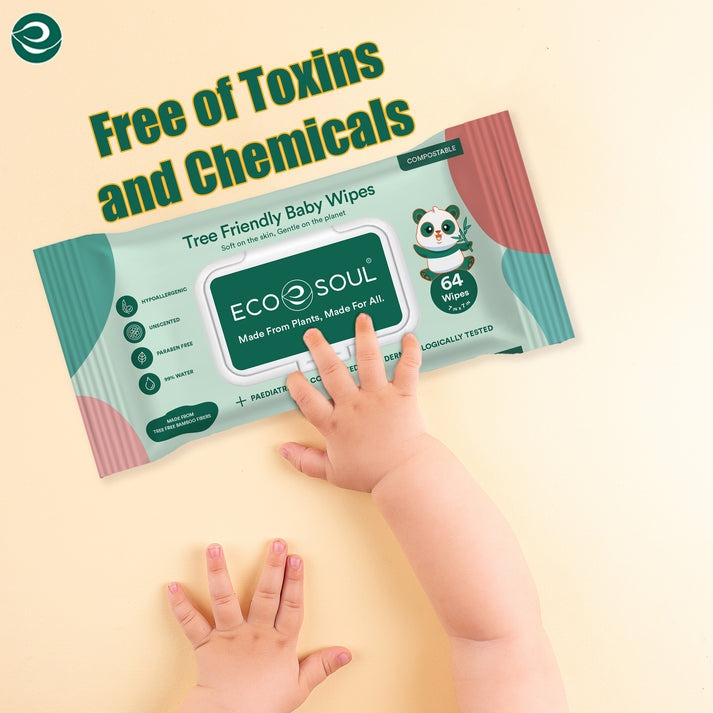
Every day, millions of baby wipes are used — and discarded. Most of them are made using plastic fibres or wood pulp sourced from trees. While they promise convenience, their long-term impact on the planet and even on sensitive baby skin often goes unnoticed. Parents today are looking for better. Safer materials. Gentler care. And choices that don’t come at the cost of the environment. That’s where tree-free baby wipes made from viscose step in.
Designed to be soft, durable, and plant-based, viscose wipes offer a thoughtful alternative to conventional wipes. They are made from renewable plant sources, free from harsh fibres, and created to break down faster after disposal — without compromising on performance or comfort.
In this blog, you’ll discover what tree-free baby wipes really are, how viscose is different from traditional materials, and why this small everyday switch can make a meaningful difference. For your baby’s skin. And for the planet they’ll grow up in.
What To Know About Baby Wipes?
Tree-free baby wet wipes are wipes made without using wood pulp or fibres derived from trees. Instead of relying on traditional paper or synthetic materials, these wipes are created using plant-based fibres that come from renewable sources.
One of the most common materials used in tree-free wipes is viscose. Viscose is derived from natural cellulose found in plants such as bamboo, sugarcane, or other fast-growing vegetation. The result is a fibre that feels soft on the skin, yet remains strong and effective during use.
Unlike conventional wipes that may contain plastic blends or heavily processed wood fibres, tree-free wipes focus on minimal environmental impact. They reduce dependency on deforestation and help lower the amount of non-biodegradable waste entering landfills and waterways.
From a parent’s perspective, the best baby wipes are also about gentler care. Plant-based fibres are naturally smoother and less abrasive, making them suitable for delicate baby skin. When paired with simple, skin-safe formulations, they offer a balance of cleanliness and comfort.
Tree-free baby wipes represent a shift toward conscious parenting, choosing products that care for your child today, while protecting the environment for tomorrow.
What Are Tree-Free Baby Wet Wipes Made Of?
Viscose baby wipes begin with plant-based cellulose, a natural material found in fast-growing plants such as bamboo, sugarcane, or cotton by-products. These plants are chosen because they regenerate quickly and require fewer resources compared to traditional wood sources.
The cellulose is carefully processed to create viscose fibres — a soft, flexible material designed to be gentle on skin while remaining strong during use. This process transforms natural plant matter into a smooth fibre that mimics the comfort of natural fabrics, without relying on plastic or synthetic components.
Once the viscose fibres are formed, they are woven into a non-woven fabric. This structure gives baby wipes their ideal balance of softness, durability, and absorbency. The fabric is then infused with a gentle cleansing solution, typically formulated to be mild, pH-balanced, and suitable for sensitive skin.
Strict quality and hygiene standards are followed throughout production to ensure wipes are safe for daily use. The result is a wipe that cleans effectively while staying kind to delicate skin, and to the environment. By choosing viscose, manufacturers are able to create baby wipes that offer performance without compromise, combining comfort, safety, and sustainability in one essential product.
Benefits of Using Tree-Free & Non-Toxic Baby Wipes
Tree-free baby wipes are designed to meet two important needs at once — gentle care for babies and responsible choices for the planet. Made using plant-based viscose fibres, they offer clear advantages over conventional wipes.
Gentle on Delicate Skin
Baby skin is thinner and more sensitive than adult skin. Viscose fibres are naturally soft and smooth, reducing friction during use. This helps minimize irritation, redness, and discomfort, especially during frequent diaper changes.
Suitable for Sensitive and Newborn Skin
Tree-free wipes are often paired with mild, skin-safe formulations. Free from harsh chemicals, alcohol, and unnecessary fragrances, they help maintain the skin’s natural balance. This makes them suitable for newborns and babies with sensitive skin.
Made from Renewable Plant Sources
Unlike traditional wipes that rely on wood pulp or plastic fibres, viscose is derived from renewable plant materials. These plants grow quickly and require fewer resources, helping reduce the environmental impact associated with raw material sourcing.
Biodegradable and Better for the Planet
Viscose fibres break down faster than plastic-based alternatives. This means less long-term waste in landfills and oceans, and a lower risk of microplastic pollution. A small everyday choice that contributes to a cleaner environment.
Supports Responsible Consumption
Choosing tree-free wipes helps reduce dependence on deforestation and promotes sustainable manufacturing practices. It’s a step toward more conscious parenting — one that considers both present needs and future impact.
Strong, Absorbent, and Practical
Despite their softness, tree-free wipes are durable and absorbent. They clean effectively without tearing and can be used beyond diaper changes — for hands, faces, and everyday clean-ups. Tree-free baby wipes prove that sustainability and performance can go hand in hand.
At first glance, all baby wipes may seem similar. But the difference lies in what they’re made of — and what they leave behind.
Tree-Free Baby Wipes vs Conventional Baby Wipes
Below is how tree-free baby wipes, offered by sustainable brands like EcoSoul, is by-far a better option:
Material Source
Conventional little baby wipes are often made using a blend of wood pulp and plastic fibres. This combination gives them strength, but also makes them slow to break down after disposal. Tree-free baby wipes, on the other hand, use plant-based viscose fibres derived from renewable sources, reducing reliance on trees and synthetic materials.
Biodegradability
Most conventional wipes take years to decompose due to their plastic content. Tree-free wipes made from viscose are designed to biodegrade faster under the right conditions, helping reduce long-term waste and environmental buildup.
Impact on Baby’s Skin
Synthetic fibres and rougher textures in traditional wipes can sometimes cause friction or irritation, especially with frequent use. Viscose wipes are naturally soft and smooth, making them more suitable for delicate and sensitive skin.
Environmental Footprint
Tree-free wipes contribute to lower deforestation and reduced microplastic pollution. By choosing plant-based materials, brands like EcoSoul support more responsible sourcing and sustainable manufacturing practices.
Everyday Performance
A common concern is whether eco-friendly wipes are as effective. Tree-free viscose wipes are strong, absorbent, and durable — capable of handling everyday clean-ups without tearing or leaving residue behind.
In simple terms, tree-free baby wipes offer a more thoughtful balance of performance, skin safety, and environmental responsibility — without asking parents to compromise on convenience.
Tips for Choosing The Best Baby Wipes Online
With so many baby wipes available, choosing the right one can feel overwhelming. Focusing on a few key factors can help simplify the decision and ensure you’re selecting wipes that are safe, effective, and aligned with your values.
Start by checking the material. Opt for wipes made from plant-based fibres rather than plastic or heavily processed wood pulp. Natural fibres tend to be gentler on skin and better for the environment.
Next, look closely at the ingredient list. Baby wipes should be free from alcohol, parabens, harsh preservatives, and artificial fragrances. Simple, skin-friendly formulations help reduce the risk of irritation, especially for newborns and babies with sensitive skin.
Texture and thickness matter too. A good wipe should be soft yet strong, allowing effective cleaning without tearing. Overly thin wipes may require multiple uses, while very rough textures can irritate delicate skin.
Consider the packaging as well. Resealable packs help prevent wipes from drying out, while recyclable or reduced-plastic packaging supports more responsible consumption.
Finally, think about everyday use. Little baby wipes are used frequently, so choosing a product that combines safety, comfort, and sustainability makes a meaningful difference — both at home and beyond.
How To Use Baby Wipes Safely and Effectively?
Using baby wipes might seem simple, but a few mindful practices can protect your baby’s delicate skin and make every change easier.
1. Gentle Wiping Technique
Always wipe softly, moving from front to back to prevent irritation or infection. Avoid scrubbing — let the wipe do the work.
2. Use the Right Amount
You don’t need multiple wipes per change. A single, thick, plant-based wipe is usually enough to clean thoroughly without over-saturating the skin.
3. Keep Skin Dry Afterwards
After cleaning, gently pat the area dry if needed. Moisture left on the skin can contribute to rashes, even with hypoallergenic wipes.
4. Storage Matters
Store wipes in a resealable pack to keep them moist. Avoid leaving packs open, as dried-out wipes lose effectiveness and can be rough on skin.
5. Know When Not to Use
Avoid wipes on open wounds, deep rashes, or areas that require medical care. In such cases, consult a pediatrician.
Wrapping It Up
Tree-free baby wipes made from viscose offer a thoughtful balance of gentle care, durability, and sustainability. They provide soft, safe cleaning for delicate skin while reducing reliance on trees and plastic, helping parents make eco-conscious choices every day.
Switching to plant-based wipes is a small change with a meaningful impact — for your baby, your household, and the environment. With the right product, daily diaper changes and clean-ups can be both convenient and responsible.
Explore EcoSoul Home’s range of tree-free best baby wipes and make a choice that cares for your little one and the planet, because sustainability starts with mindful, everyday actions.
About the Author