What Field Researchers Should Consider Before Selecting a Tag Reader
The effectiveness of any electronic tagging program hinges not just on tag quality and proper implantation techniques but equally on detection equipment capability to reliably identify tagged individuals under diverse field conditions throughout multi-year study periods. While researchers often focus extensively on tag selection, the tag reader represents an equally critical investment that determines detection success, data quality, operational efficiency, and long-term program sustainability. Selecting appropriate reading equipment requires balancing multiple considerations including detection performance specifications, environmental durability, power requirements, data management capabilities, compatibility with existing infrastructure, and total cost of ownership that extends far beyond initial purchase prices. Understanding these selection criteria and how they interact with specific research applications enables informed purchasing decisions that optimize limited equipment budgets while ensuring that detection systems adequately support study objectives across their operational lifespans.
Detection Performance Specifications and Range Requirements
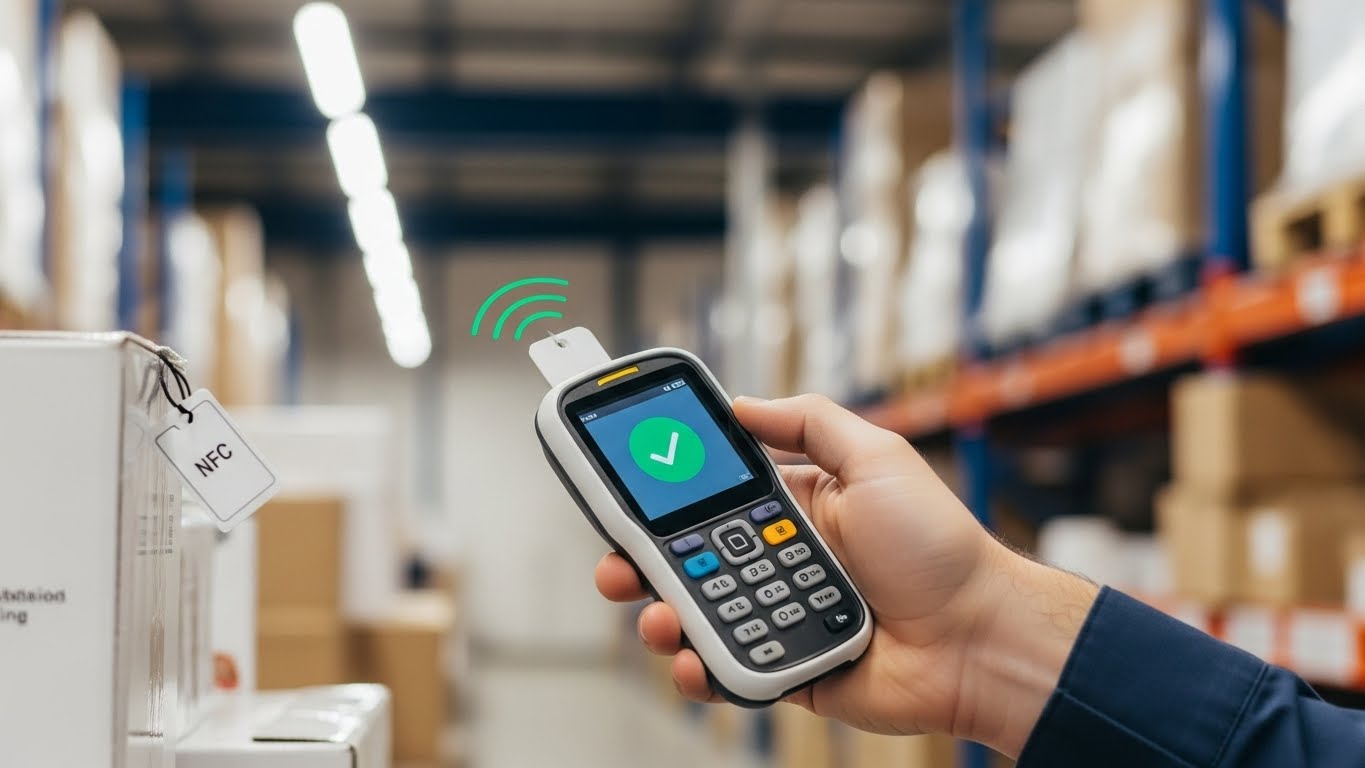
The primary function of any tag reader involves reliably detecting and identifying tags within specified ranges, making detection performance the most fundamental selection criterion. However, manufacturers specify detection ranges under optimal laboratory conditions that field environments rarely replicate, creating substantial gaps between advertised specifications and actual field performance that researchers must anticipate when evaluating equipment options.
Maximum detection range represents the distance at which readers can activate tags and receive identification codes under ideal conditions—perpendicular tag orientation, optimal environmental parameters, and absence of electromagnetic interference. Manufacturers typically specify ranges like thirty to sixty centimeters for handheld units or up to one hundred centimeters for high-power stationary systems, though actual field performance often achieves only sixty to seventy-five percent of these maximum distances due to non-ideal orientations, environmental interference, and variability in tag characteristics. Researchers should prioritize equipment offering detection ranges substantially exceeding minimum requirements, providing performance buffers that accommodate real-world conditions degrading ideal specifications.
Detection probability across the effective range varies significantly, with most readers achieving near one-hundred percent detection at close distances but declining performance as tags approach maximum range limits. Understanding this distance-probability relationship matters when designing detection arrays, as positioning antennas to maintain tags within high-probability zones dramatically improves data quality compared to configurations where animals frequently pass near range limits where detection becomes unreliable. Some advanced tag reader models provide adjustable power settings allowing operators to extend range when needed while reducing power consumption during applications where shorter ranges suffice.
Tag orientation effects significantly influence detection reliability, as electromagnetic coupling between reader antennas and tag coils varies with relative positioning. Tags oriented perpendicular to antenna planes couple most efficiently, while parallel orientations may prevent detection entirely despite tags being within nominal range specifications. This orientation dependence creates particular challenges when monitoring free-swimming fish that pass detection zones at unpredictable angles. Antenna designs creating more uniform electromagnetic fields across multiple orientations improve detection consistency, though typically at costs of reduced maximum range or increased power consumption representing trade-offs that researchers must evaluate against specific application requirements.
Multi-tag reading capability enables simultaneous detection of multiple individuals present within detection fields—functionality that standard readers often lack but proves essential in high-density populations or social species where individuals frequently occur in groups. Advanced readers incorporating anti-collision protocols can distinguish and identify ten or more tags simultaneously, preventing reading conflicts that cause some individuals to go undetected when multiple animals pass together. This capability commands premium pricing but provides irreplaceable value in applications where missing individuals from groups would substantially compromise data quality.
Environmental Durability and Field-Worthiness
Field research occurs in challenging environments exposing equipment to moisture, temperature extremes, physical impacts, dust, and corrosive conditions that quickly degrade inadequately protected electronics. The tag reader selected must withstand the specific environmental conditions characteristic of intended deployment locations, with different applications requiring varying protection levels and ruggedization features that substantially influence equipment costs and selection.
Ingress Protection ratings quantify equipment resistance to solid particles and liquids using standardized IP codes—for example, IP67 indicates complete dust protection and submersion resistance to one meter depth for thirty minutes. Handheld readers deployed in wetland environments, during rainstorms, or near water bodies require minimum IP67 ratings ensuring that equipment survives inevitable exposure to moisture. Lower-rated equipment lacking sealed housings, protected ports, and waterproof controls fails rapidly in wet conditions, creating false economy where cheaper initial costs result in repeated replacements exceeding expenses of properly specified equipment purchased initially.
Temperature operating ranges determine whether readers function across seasonal extremes encountered in outdoor research. Standard consumer electronics typically specify ranges from zero to forty degrees Celsius—inadequate for research extending into winter months or hot summer conditions where direct sun exposure creates surface temperatures exceeding fifty degrees. Industrial-grade tag reader equipment specifying negative twenty to positive sixty degree ranges accommodates most temperate zone applications, while extreme environments including arctic or desert settings may require specialized equipment rated for even broader temperature tolerances through enhanced component selection and thermal management systems.
Physical durability against drops, vibration, and rough handling matters particularly for handheld units that researchers carry through challenging terrain, transport between sites, and operate while wearing gloves in cold conditions or wading through water. Rubberized housings, reinforced corners, and shock-mounting of internal components protect against field handling that inevitably subjects equipment to impacts that would damage inadequately protected devices. While ruggedized construction adds weight and bulk that affects portability, the alternative involves frequent repairs or replacements that disrupt research schedules and consume budgets better spent elsewhere.
Corrosion resistance becomes critical in marine or brackish water applications where saltwater exposure rapidly degrades unprotected metals and electronics. Marine-grade materials, conformal coatings on circuit boards, and stainless steel hardware prevent corrosion that compromises equipment functionality and aesthetics. Even freshwater environments contain minerals and organic compounds that accumulate on equipment over time, making corrosion protection valuable across most aquatic research applications rather than only obvious marine settings.
Power Requirements and Energy Management
Operating power requirements and battery life critically affect field deployment practicality, particularly for remote automated monitoring stations lacking grid power access. The tag reader power consumption determines battery capacity needed to sustain continuous operation between servicing intervals, directly influencing installation costs, maintenance frequency, and locations where deployment proves feasible given logistical constraints on battery access.
Handheld reader battery life during active use typically ranges from four to twelve hours depending on detection frequency, display brightness, environmental temperature, and battery capacity—adequate for daily field sessions but requiring charging access or spare batteries for extended trips. Researchers working in remote locations without electricity access need solar charging capability, vehicle charging options, or sufficient spare batteries to maintain operations across entire field campaigns without returning to powered facilities. Some readers accept standard replaceable batteries available at general retailers, providing convenient field replacement compared to proprietary rechargeable packs requiring specific chargers that researchers might forget or that malfunction far from replacement sources.
Stationary system power consumption matters primarily for remote installations using solar panels and battery banks to sustain continuous operation. Low-power readers drawing just five to ten watts enable smaller, cheaper solar and battery systems compared to power-hungry alternatives requiring thirty watts or more. In installations monitoring twenty-four hours daily, this power difference translates to substantially different solar panel and battery specifications affecting total system costs, installation complexity, and maintenance requirements. Systems incorporating sleep modes that reduce power consumption between detections further improve energy efficiency, though must balance power savings against ensuring constant readiness when tags might appear unpredictably.
Solar panel sizing for remote installations depends on reader power consumption, local solar radiation levels varying by latitude and season, battery capacity providing multi-day reserves during cloudy periods, and system voltage determining panel specifications. Researchers must carefully calculate these requirements or risk installations that work initially but fail during winter months with reduced daylight hours and solar intensity. Under-specification creates false economy where inadequate power systems result in data gaps, while over-specification unnecessarily increases costs. Professional system design or using pre-engineered packages from manufacturers with field experience in similar environments provides reliability that custom designs from inexperienced researchers might not achieve.
Data Management and Connectivity Features
Modern tag reader equipment extends beyond simple detection to incorporate data logging, real-time transmission, cloud integration, and analytical capabilities that affect research efficiency, data security, and analytical workflows. These features vary dramatically across equipment options, with basic models providing minimal functionality while advanced systems offer comprehensive data management that justifies higher costs through improved research productivity and data quality.
Internal data storage capacity determines how many detection records readers can store before requiring download, affecting how frequently researchers must service remote installations or connect handheld units to computers. Storage capacities ranging from thousands to millions of records accommodate short-term studies versus long-term monitoring, with some readers providing expandable memory through SD cards allowing capacity increases without equipment replacement. Researchers should specify capacity exceeding anticipated needs with comfortable margins accounting for unexpected study extensions or higher-than-expected detection rates that rapidly fill limited storage.
Connectivity options for data transfer include USB cables, Bluetooth wireless, WiFi networking, and cellular modems providing varying convenience, range, and real-time capability. USB connections require physical access to readers, suitable for handheld units and easily accessible stationary installations but impractical for remote sites requiring significant travel. Wireless options enable data retrieval without physical contact, with Bluetooth supporting nearby downloads using smartphones or tablets, WiFi allowing local network integration, and cellular modems providing internet connectivity enabling real-time data transmission to central servers regardless of installation location.
Real-time data transmission transforms research capabilities by providing immediate detection notification, continuous data backup protecting against storage failures, and enabling adaptive study designs where detection patterns inform ongoing sampling decisions. However, cellular connectivity requires adequate signal coverage, data plan expenses, and often premium equipment costs that many programs cannot justify unless immediate data access provides substantial value. Researchers must honestly assess whether real-time capability justifies additional expenses or whether periodic manual downloads adequately serve study needs.
Cloud platform integration offered by some tag reader manufacturers provides centralized data management, automated quality control, collaborative access for research teams, and analytical tools that would otherwise require custom development. These platforms typically involve subscription fees beyond equipment costs but deliver value through reduced IT burden, improved data security, and functionality exceeding what small research groups could develop independently. For multi-site collaborative studies, cloud integration may prove essential for maintaining data consistency and enabling coordinated analyses.
Compatibility and System Integration
Research programs rarely start from scratch, instead building upon existing infrastructure, historical datasets, and established protocols that constrain equipment selection toward options compatible with legacy systems. Tag reader compatibility with existing tags, antennas, and data formats substantially affects total system costs and whether researchers can maintain continuity with previous work or must establish entirely new approaches.
Tag frequency compatibility represents the most fundamental requirement, as readers must operate at frequencies matching deployed tags—typically 134.2 kHz for most fish and wildlife applications following ISO standards. Some readers support multiple frequencies accommodating different tag types, valuable for programs that historically used various tag models or collaborative studies involving tags from multiple sources. Single-frequency readers cost less but limit flexibility if research needs evolve or collaborations require reading tags operating at different frequencies than originally anticipated.
Antenna compatibility determines whether existing antenna infrastructure can connect to new readers or requires complete replacement representing substantial additional investment. Standardized connections and communication protocols allow mixing equipment from different manufacturers, while proprietary systems lock researchers into single-source supply chains where component failures or business closures create equipment orphans without replacement parts or technical support. Researchers should verify antenna compatibility before purchasing readers, ensuring that expensive existing infrastructure remains usable rather than becoming obsolete requiring costly replacement.
Data format standardization affects whether detection records integrate with existing databases, analytical software, and collaborative data sharing networks. Proprietary formats requiring custom programming to convert into standard structures create ongoing technical debt and analysis barriers, while readers outputting standardized formats enable seamless integration with common statistical packages, database systems, and data repositories. For collaborative networks involving multiple institutions, standardization becomes essential rather than merely convenient, as inconsistent formats severely complicate data pooling and coordinated analyses.
Cost Considerations and Budgeting
Tag reader costs span orders of magnitude from basic handheld units at several hundred dollars to sophisticated multi-antenna stationary systems exceeding ten thousand dollars, requiring careful budget planning and value assessment ensuring that equipment capabilities justify expenses while meeting minimum performance requirements. Total cost of ownership extends beyond purchase prices to include accessories, maintenance, technical support, software subscriptions, and replacement parts that collectively determine long-term expenses.
Initial purchase costs obviously matter, particularly for equipment-limited budgets, but researchers should evaluate cost-per-detection or cost-per-study-year metrics providing better value assessments than absolute prices. Expensive readers offering superior reliability, longer operational life, and reduced maintenance needs may deliver better value than cheaper alternatives requiring frequent repairs or early replacement. Similarly, readers enabling more efficient fieldwork through faster detection, better ergonomics, or integrated data management may cost more initially but save researcher time worth thousands of dollars annually in salary expenses.
Conclusion: Informed Equipment Selection
Selecting appropriate tag reader equipment requires systematically evaluating detection performance, environmental durability, power requirements, data management features, compatibility considerations, and total costs against specific research needs and operational constraints. No single reader optimally serves all applications, making careful specification essential for matching equipment capabilities to program requirements while avoiding both under-specification that compromises research quality and over-specification that wastes limited resources on unnecessary features. By thoroughly considering these selection criteria and consulting with experienced colleagues about equipment performance in similar applications, researchers can make informed purchasing decisions that provide reliable detection capability supporting high-quality science throughout equipment operational lifetimes.
About the Author