Non-Surgical Treatments for Varicose Veins: Are They Effective?
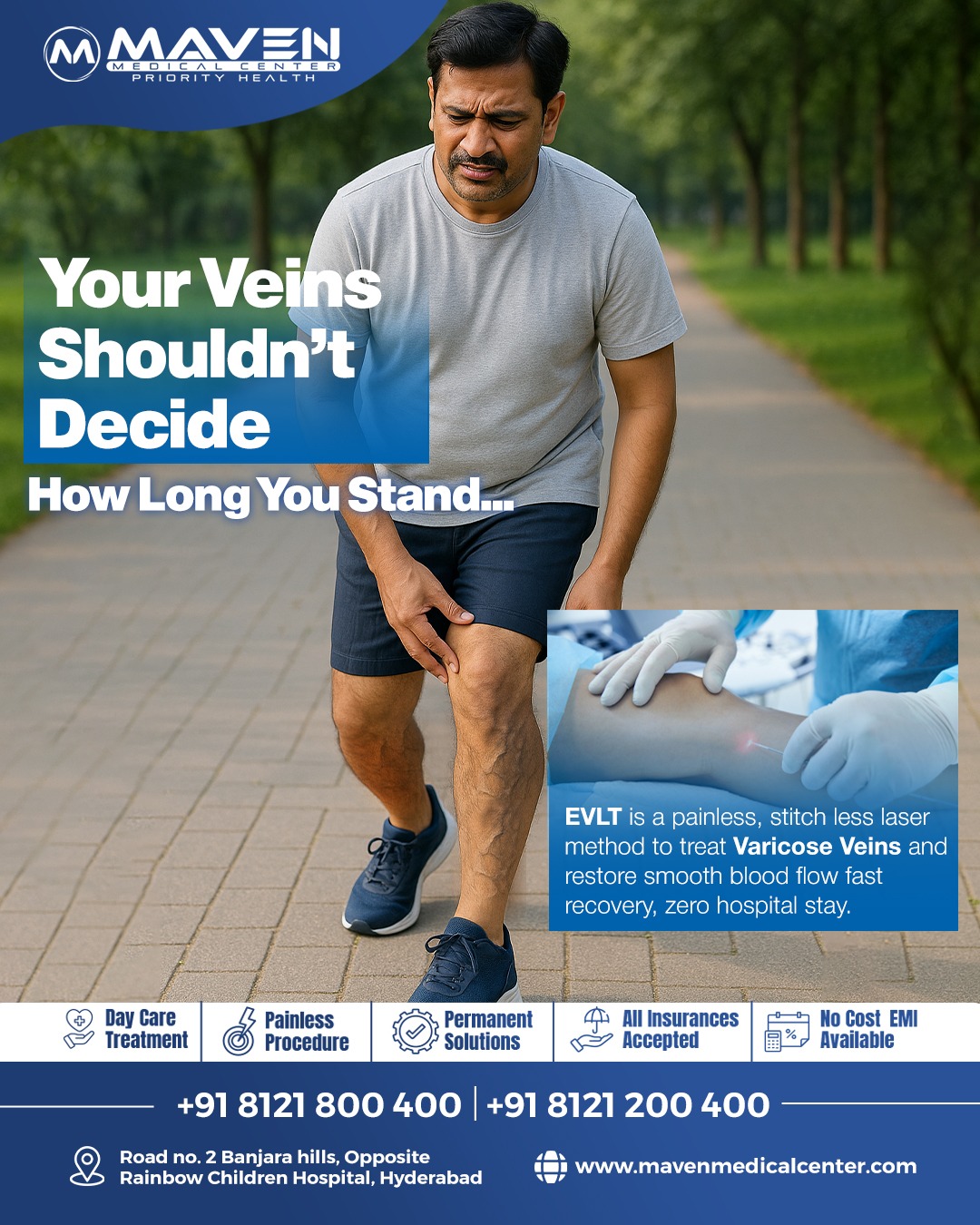
Varicose veins are a common vascular condition that affects both men and women. They often appear as swollen, twisted veins on the legs and can cause symptoms such as pain, heaviness, itching, and fatigue. Many patients hesitate to opt for surgery and look for safer alternatives. This is where varicose veins treatment without surgery becomes an important topic. But how effective are non-surgical treatments for varicose veins? Let’s explore.
Understanding Varicose Veins
Varicose veins develop when the valves inside the veins become weak or damaged, causing blood to pool instead of flowing back to the heart. Over time, this leads to enlarged, visible veins and discomfort. Early diagnosis plays a key role in choosing the right varicose veins treatment.
What Are Non-Surgical Treatments for Varicose Veins?
Non-surgical treatments focus on reducing symptoms, improving blood flow, and preventing the condition from worsening. These options are usually recommended for early to moderate stages of varicose veins.
Compression Stockings
Compression stockings are often the first step in non-surgical varicose veins treatment. They apply gentle pressure to the legs, helping veins move blood more efficiently.
Effectiveness:
They reduce pain, swelling, and leg heaviness but do not remove existing varicose veins. They are best for symptom control and prevention.
Lifestyle Changes
Simple lifestyle modifications can significantly support varicose veins treatment. These include regular walking, leg elevation, weight management, and avoiding prolonged standing or sitting.
Effectiveness:
Lifestyle changes help slow disease progression and relieve symptoms, but they cannot cure varicose veins on their own.
Sclerotherapy
Sclerotherapy involves injecting a special solution into the affected vein, causing it to collapse and fade over time. It is a popular non-surgical varicose veins treatment for smaller varicose veins and spider veins.
Effectiveness:
Highly effective for mild to moderate cases. Most patients notice visible improvement within a few weeks.
Medications and Topical Treatments
Some oral medications and creams claim to improve vein health and reduce swelling.
Effectiveness:
These options may provide temporary symptom relief but are not a permanent varicose veins treatment.
Ultrasound-Guided Foam Sclerotherapy
This advanced non-surgical varicose veins treatment uses ultrasound guidance to treat larger veins with foam injections.
Effectiveness:
It is effective for patients who are not suitable candidates for surgery and offers good long-term results in selected cases.
Are Non-Surgical Treatments Enough?
Non-surgical varicose veins treatment options are effective in managing symptoms and early-stage disease. However, in advanced cases with severe pain, skin changes, or ulcers, minimally invasive procedures like laser treatment may be more effective.
When Should You See a Specialist?
If symptoms persist despite non-surgical varicose veins treatment, or if veins become painful, swollen, or discolored, consulting a vascular specialist is essential. Early intervention leads to better outcomes and prevents complications.
Conclusion
Non-surgical treatments for varicose veins can be effective, especially in the early stages. They help relieve symptoms, improve quality of life, and slow progression. However, they may not permanently eliminate varicose veins. A proper evaluation by a specialist will help determine the most suitable varicose veins treatment based on your condition.
If you’re experiencing symptoms, don’t delay seeking professional advice—early care can make a significant difference in long-term vein health.
About the Author