As people increasingly become more conscious about nutrition and long-term health, one of the most frequently asked questions becomes whether eating whole, natural foods really matters over relying on processed options, even when those foods are plant-based. With supermarket shelves stacked with vegan snacks, ready-to-eat meals, and meat alternatives, few issues have ever been more crucial than how to distinguish between food quality and the food labels. In this article, using evidence from nutrition science and established dietary principles, the question is examined as to whether Whole Plant Based Food is offering real advantages over food processing.
Understanding Whole vs. Processed Foods
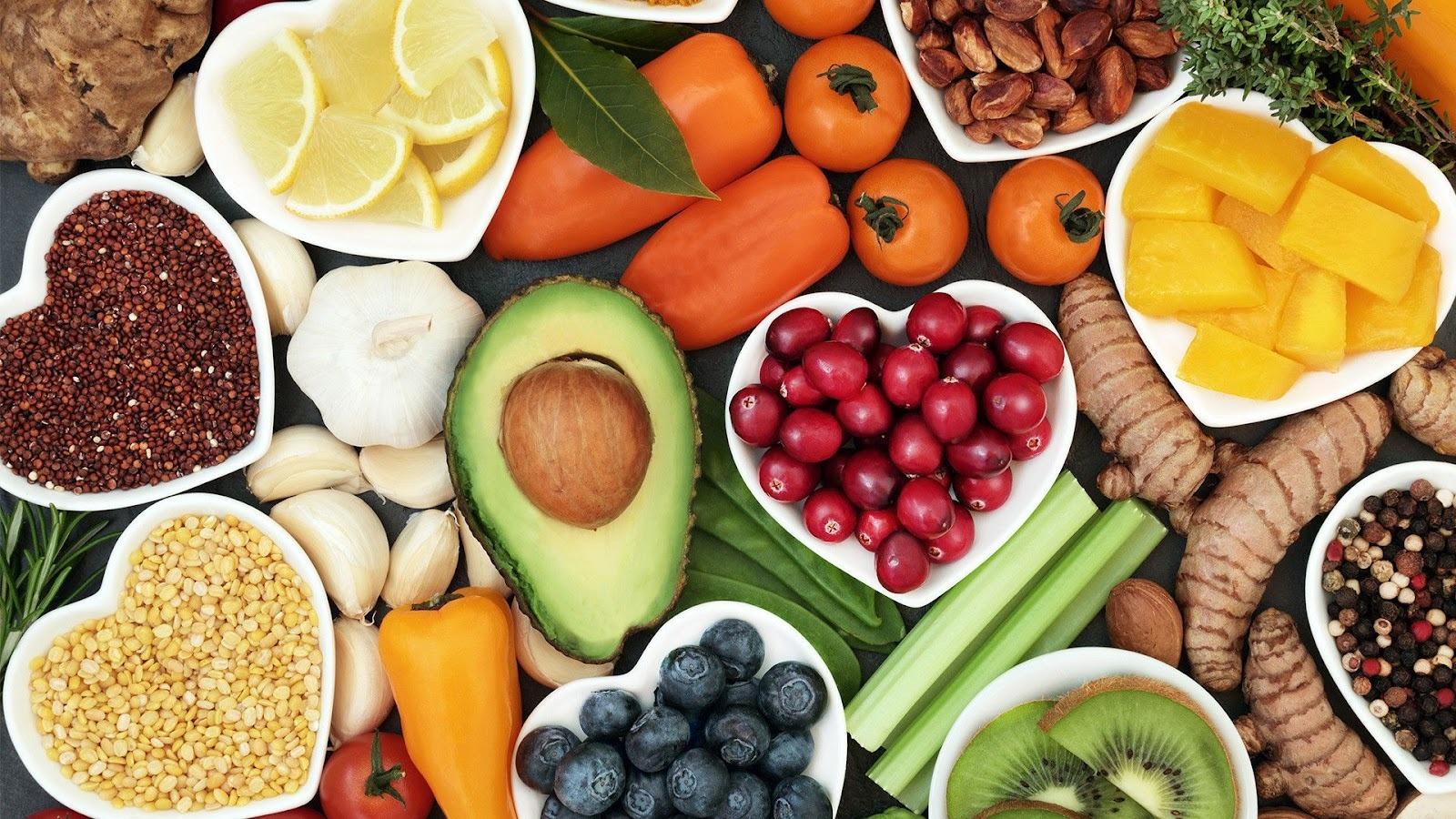
Whole foods are those that remain close to their natural state. Fruits, vegetables, whole grains, legumes, nuts, and seeds fall into this category. They may be washed, chopped, or cooked, but they are not stripped of their natural nutrients.
Processed foods, on the other hand, undergo varying levels of modification. Some are lightly altered, such as frozen vegetables or plain tofu, while others are heavily processed, containing refined oils, added sugars, preservatives, and artificial flavors. The health impact largely depends on the degree of processing rather than whether a food is plant-based or not.
Whole Plant Based Food Benefits for Long-Term Health
One of the key advantages of eating whole plant foods is their nutrient density. These foods naturally contain fiber, vitamins, minerals, and beneficial plant compounds working together in synergy. Fiber supports digestion, regulates blood sugar, and promotes heart health—yet it is often lacking in highly processed diets.
Whole plant foods are also linked to lower risks of chronic diseases. Research consistently associates diets rich in vegetables, fruits, and whole grains with reduced rates of heart disease, type 2 diabetes, and certain cancers. These outcomes are not tied to a single “super nutrient,” but rather the overall dietary pattern.
Whole Food Plant Based Diet Benefits vs Convenience Foods
Whole food plant based diet benefits extend beyond disease prevention. People who prioritize whole foods often experience better energy levels, improved weight management, and more stable mood patterns. This is partly because whole foods digest more slowly, leading to steady energy release and longer-lasting satiety.
In contrast, many processed foods even plant-based ones are designed for convenience and taste rather than nourishment. They may be calorie-dense but nutrient-poor, encouraging overeating without providing lasting fullness.
Healthy Plant Based Eating and Food Quality
Healthy plant based eating is not simply about avoiding animal products; it’s about choosing high-quality foods. A diet built around vegetables, legumes, whole grains, and fruits aligns more closely with human nutritional needs than one centered on refined flours and added sugars.
This distinction explains why two plant-based diets can lead to very different health outcomes. One may support heart health and longevity, while the other heavy in packaged snacks and sugary drinks—may increase the risk of metabolic disorders.
Role of Minimally Processed Foods
Not all processing is harmful. Minimally processed foods such as rolled oats, frozen vegetables, canned beans (with no added sugar or excess sodium), and plain nut butters can be part of a healthy diet. These foods retain most of their nutritional value while offering convenience.
The issue arises with ultra-processed products that contain long ingredient lists, refined oils, and additives. These foods often displace healthier options rather than complement them.
What Dietary Guidelines and Research Suggest
Dietary guidelines and research from global health organizations consistently emphasize whole foods. Most national dietary guidelines recommend filling half the plate with fruits and vegetables, choosing whole grains over refined grains, and limiting highly processed items.
Large-scale studies show that people who follow these guidelines tend to live longer and experience fewer lifestyle-related diseases. Importantly, these benefits are observed regardless of whether a diet is vegetarian, vegan, or omnivorous as long as whole foods form the foundation.
FAQs
Are processed vegan foods unhealthy?
Not all processed vegan foods are unhealthy, but many are high in sodium, refined oils, and additives. Occasional consumption is fine, but relying on them as staples may reduce overall diet quality.
Is a whole plant based diet better than a vegan diet?
A vegan diet excludes animal products, but it can still include highly processed foods. A whole plant based approach focuses on food quality, making it generally more beneficial for long-term health.
Can processed foods fit into a healthy diet?
Yes, especially minimally processed foods. The key is moderation and ensuring that most meals are built around whole, nutrient-dense foods.
Why whole foods are better than processed foods?
Whole foods provide fiber, micronutrients, and protective plant compounds that are often lost during processing. They support better digestion, metabolic health, and disease prevention.
Conclusion
When comparing whole foods and processed foods, the evidence strongly favors diets built on natural, minimally altered ingredients. While convenience foods may save time, they often fall short in delivering the nutritional complexity required for long-term health. Focusing on whole plant foods supports better digestion, stable energy, and reduced disease risk. Ultimately, the healthiest approach is not about perfection, but about making whole, nourishing foods the foundation of everyday eating while treating processed options as occasional additions rather than dietary staples.
About the Author