Imagine a pilot approaching a runway in thick fog. Visibility is dropping by the second, and the wind is picking up. In the past, this scenario relied heavily on periodic updates from a human observer in a tower, whose view might be obscured by the very weather they were trying to report. Today, that pilot has a silent, robotic partner on the ground offering a continuous stream of precise data. This shift has fundamentally changed how we fly.
Aviation is an industry where safety margins are calculated in feet and seconds. While aircraft technology has advanced to incredible levels of sophistication, the weather remains the single biggest variable in flight operations. Sudden shifts in wind direction, unexpected drops in cloud ceilings, or the rapid onset of freezing rain can turn a routine landing into an emergency.
To manage this unpredictability, airports rely on the Automated Weather Observing System. This network of sensors acts as the eyes and ears of the airfield, operating 24 hours a day, 365 days a year. It removes the guesswork from meteorological reporting, providing pilots and air traffic controllers with the real-time, objective data they need to make life-saving decisions.
This article explores why this technology has become indispensable. We will look at how it enhances safety, improves operational efficiency, and supports the complex logistics of modern air travel. Whether you are an aviation enthusiast or a frequent flyer, understanding this system reveals just how much engineering goes into keeping you safe in the sky.
Enhancing Safety Through Real-Time Data
The primary mission of any aviation system is safety, and this is where automated weather observation shines. Weather conditions can change drastically in a matter of minutes. A storm cell might pass over an airfield, dropping visibility to zero, and then clear up just as quickly.
Human observers, while skilled, cannot physically monitor every parameter simultaneously, continuously, forever. They need breaks, and their observations can be subjective. An automated system never blinks. It provides updates every minute, capturing micro-changes in the atmosphere that a human might miss.
Critical Takeoff and Landing Decisions
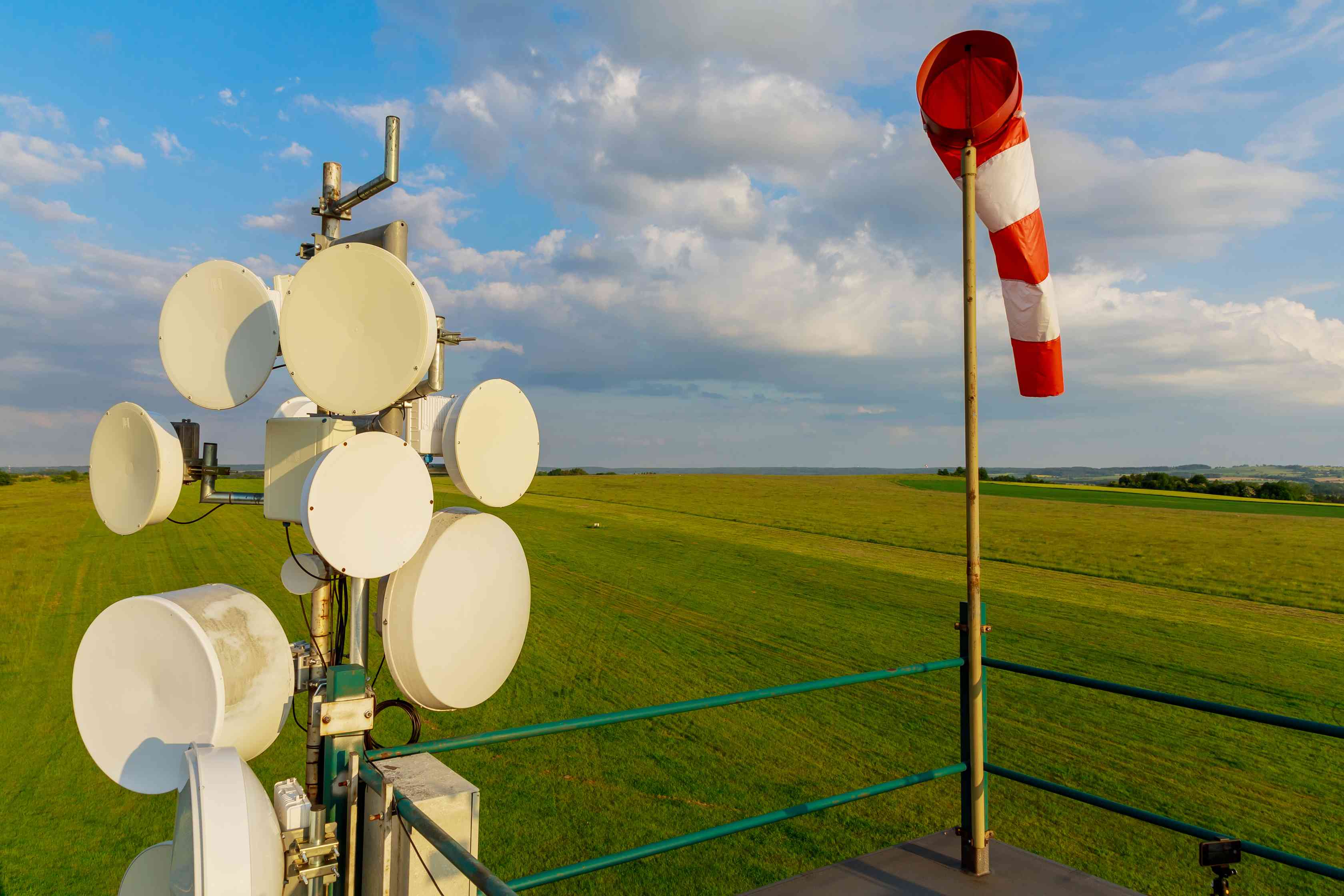
Takeoff and landing are the most critical phases of flight. Pilots need to know the exact wind speed and direction to calculate their takeoff roll and landing distance. If the wind shifts to a tailwind, a plane might run out of runway. Automated sensors detect these shifts instantly, allowing controllers to switch active runways before a dangerous situation develops.
Altimeter Settings and Altitude Accuracy
One of the most vital pieces of data provided is the barometric pressure. Pilots use this to calibrate their altimeters. If this setting is off by even a small amount, the pilot’s instruments might show them at a safe altitude when they are actually dangerously close to the terrain. Automated systems measure pressure with extreme precision, ensuring that when a pilot thinks they are at 2,000 feet, they truly are.
Boosting Operational Efficiency
Beyond safety, automated weather systems are the backbone of airport efficiency. In the high-stakes world of commercial aviation, time is money. Delays cost airlines millions of dollars and disrupt the travel plans of thousands of passengers.
Reducing Unnecessary Diversions
Without reliable weather data at the destination airport, pilots often have to carry extra fuel or divert to an alternate airport “just in case.” Precise, real-time reporting allows airlines to plan flights more accurately. If an automated system reports that fog is lifting, a flight can proceed to its destination rather than diverting, saving fuel and preventing passenger inconvenience.
Optimizing Air Traffic Flow
Air traffic controllers use weather data to manage the flow of aircraft into and out of an airspace. Knowing the exact cloud ceiling allows them to determine how much space needs to be kept between planes. Accurate visibility data determines whether an airport can operate under Visual Flight Rules (VFR) or must switch to more restrictive Instrument Flight Rules (IFR). This data-driven approach maximizes the number of planes that can land safely per hour.
Supporting Remote and Regional Airports
One of the most transformative impacts of this technology is on smaller, regional airports. Many of these locations do not have the budget to staff a meteorological tower around the clock. In the past, this meant that the airport was effectively “blind” during off-hours or at night.
Automated systems have democratized access to weather data. A small airstrip in a rural area can now offer the same level of meteorological accuracy as a major international hub. This connectivity allows medical evacuation flights, cargo planes, and business jets to operate safely in remote areas at any time of day or night. It connects isolated communities to the broader aviation network, ensuring they are not cut off during adverse weather.
Cost-Effectiveness and Reliability
While the initial installation of weather sensors represents a significant investment, the long-term operational costs are relatively low compared to the expense of human staffing. Once installed, these stations require only periodic maintenance to ensure calibration and functionality.
The reliability of these systems is built into their design. They are engineered to withstand the very elements they measure—freezing temperatures, hurricane-force winds, and torrential rain. Most systems have redundant sensors and battery backups, ensuring that data keeps flowing even during power outages or component failures. This resilience is crucial during severe weather events when the data is needed most.
The Future of Aviation Weather
As aviation continues to evolve, the role of automated weather observation is expanding. Modern systems are becoming smarter, more connected, and more integrated into the global aviation infrastructure.
We are seeing the rise of data-sharing networks where aircraft act as flying sensors, sending data down to ground stations to verify and augment the automated reports. This creates a detailed, three-dimensional picture of the atmosphere that was previously impossible to generate.
Furthermore, as airports in developing regions modernize, the demand for robust weather infrastructure is growing. In challenging climates, such as the arid and high-temperature environments found in the Middle East, specialized systems are necessary. Expertise in airport engineering Qatar and similar regions focuses heavily on selecting sensors that can withstand extreme heat and dust while still delivering precise data. This ensures that even in the harshest conditions, the safety net remains intact.
Conclusion
The importance of automated weather observing in modern aviation cannot be overstated. It is the invisible shield that protects every flight, the logistical tool that keeps airports running on time, and the bridge that connects remote airfields to the world.
As we look to a future of autonomous drones and increasingly busy skies, the reliance on accurate, real-time weather data will only grow. It is a testament to how technology, when applied to critical infrastructure, does more than just measure the world—it makes it safer for everyone in it. Next time you fly, take a moment to appreciate the silent sentinels on the runway, watching the wind so you don’t have to.
About the Author