How Varicose Veins Affect Men and Women Differently
Understanding the gender-specific causes, symptoms, and treatment needs
Varicose veins are a common condition that affects millions of people worldwide. While both men and women can develop them, the way varicose veins form, progress, and respond to treatment can be quite different between genders. Understanding these differences can help you make informed decisions and choose the right varicose veins treatment at the right time.
Why Varicose Veins Occur: The Basics
Varicose veins occur when the valves inside your veins weaken or fail, causing blood to pool and the veins to swell. This leads to visible, bulging, twisted veins—most commonly in the legs.
Although the underlying cause is the same, men and women experience different risk factors, symptoms, and motivations for seeking varicose veins treatment.
How Varicose Veins Affect Women
1. Hormonal Influence
Women are significantly more likely to develop varicose veins because of hormonal fluctuations.
Pregnancy increases blood volume and pressure on the leg veins.
Estrogen and progesterone can relax vein walls, making valves less efficient.
Menopause can further weaken veins.
2. Pregnancy-Related Veins
Pregnancy may trigger varicose veins due to:
Increased abdominal pressure
Reduced blood flow from legs
Hormonal changes
Some of these veins improve after delivery, but many women later opt for varicose veins treatment for cosmetic or comfort reasons.
3. Earlier Onset
Women tend to notice symptoms earlier, sometimes as early as their 20s or 30s.
4. Symptoms Women Commonly Experience
Leg heaviness during menstruation or pregnancy
Throbbing pain after standing
Swelling around ankles
Visible spider veins along with varicose veins
How Varicose Veins Affect Men
1. Underdiagnosed and Often Ignored
Men also develop varicose veins, but they often delay seeking help. As a result, the condition may progress to more severe stages before varicose veins treatment is considered.
2. Occupational Stress
Men working in jobs that involve heavy lifting, prolonged standing (police, security, factory work), or long-distance driving are at higher risk.
3. Stronger Vein Walls—but Not Strong Enough
Biologically, men usually have stronger connective tissues, which may delay onset. However, once varicose veins appear, men are more likely to develop complications.
4. Symptoms Men Commonly Experience
Leg cramps during the night
Skin discoloration or dryness
Large bulging veins
Aching after strenuous work
Increased risk of skin ulcers in advanced cases
Who Has More Complications?
Interestingly, while women develop varicose veins more frequently, men tend to experience more severe complications such as:
Venous ulcers
Skin hardening (lipodermatosclerosis)
Chronic swelling
This is largely because men delay seeking varicose veins treatment until pain or visible changes become unavoidable.
Do Men and Women Need Different Treatments?
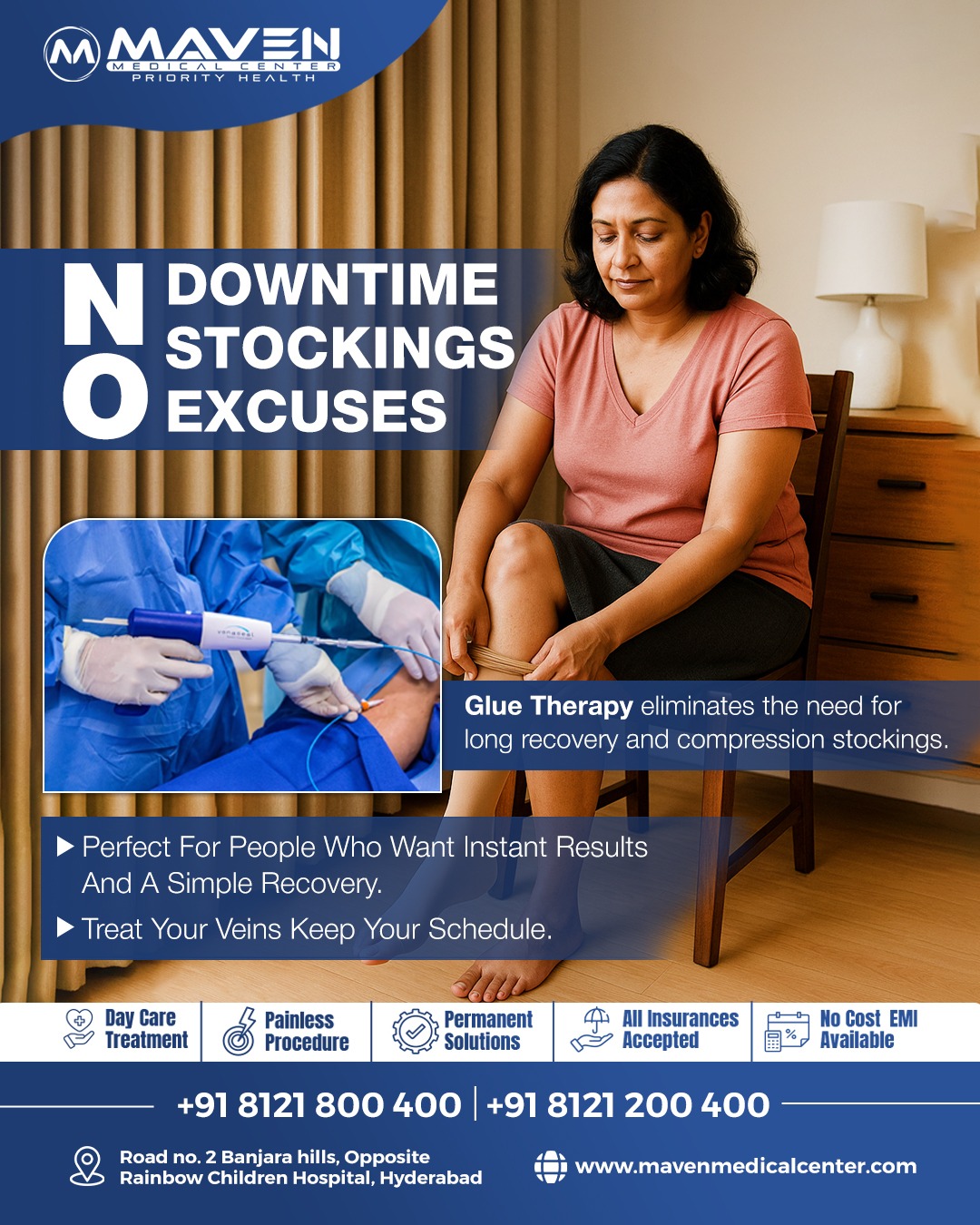
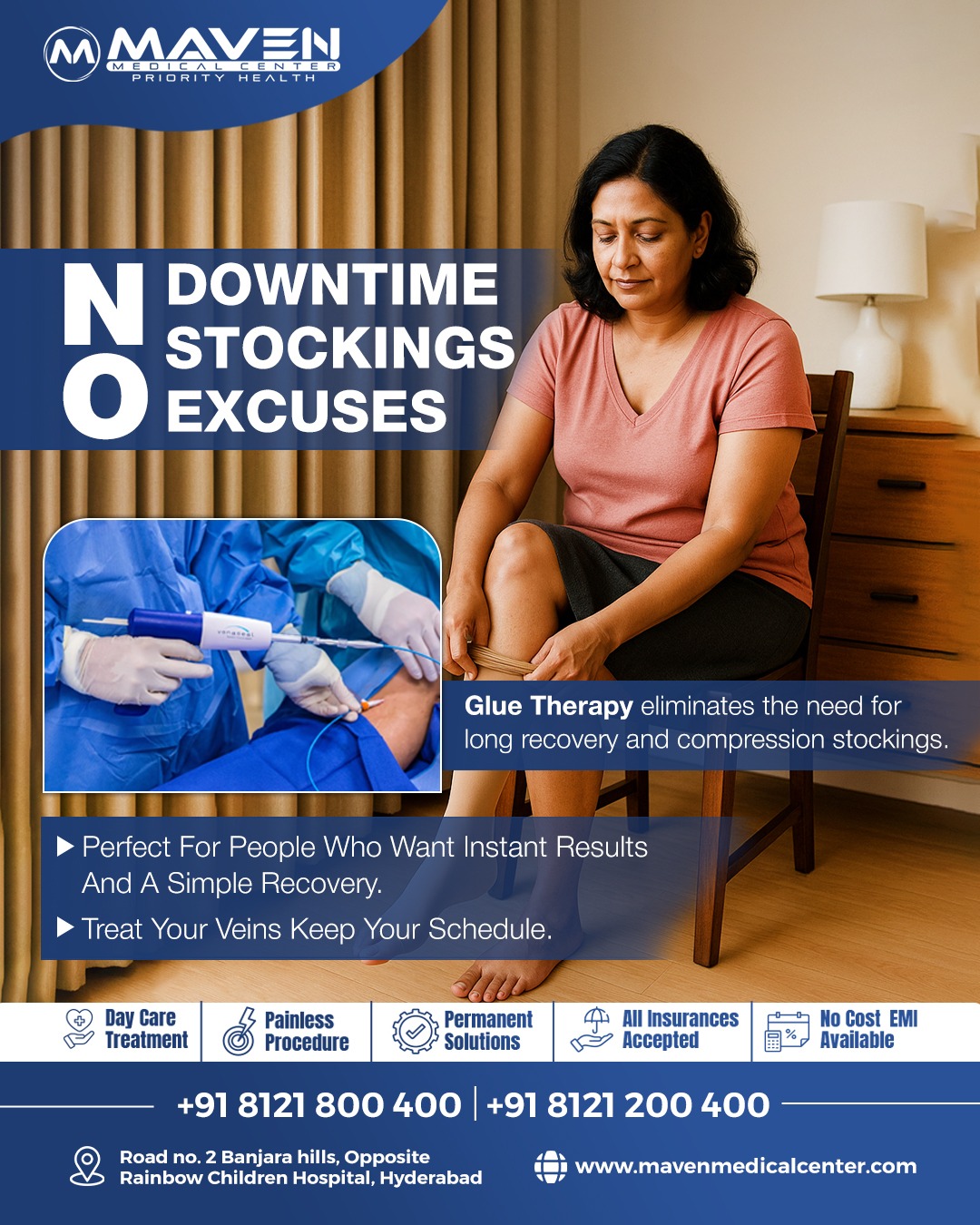
The advanced procedures used today—such as Laser treatment, MWA (Microwave Ablation), Glue Therapy, and RFA (Radiofrequency Ablation)—are equally effective for men and women.
However, treatment choices may differ based on:
For Women
Hormonal history
Pregnancy plans
Cosmetic concerns
Spider veins accompanying varicose veins
For Men
Severity of vein damage
Occupation-related vein stress
Skin changes or ulcers
A vascular specialist will assess these differences before recommending the best varicose veins treatment.
When Should You See a Specialist?
Regardless of gender, early diagnosis is always better. Seek help if you notice:
Visible bulging veins
Leg pain or heaviness
Swelling at the end of the day
Discoloration near the ankles
Veins worsening over time
Modern varicose veins treatment options are minimally invasive, painless, and offer same-day discharge.
Final Thoughts
While both men and women deal with varicose veins, the causes, symptoms, and progression often differ. The good news is that today’s advanced varicose veins treatment options provide safe, effective, and permanent relief for everyone.
About the Author