When we think about surgery, we usually imagine lying flat on our backs. However, for many critical operations—especially those involving the spine, the back of the neck, or the kidneys—surgeons must place the patient face down. This is known as Prone Positions.
While Prone Positions offer the surgical team the best access to the operative site, they also present unique challenges for patient safety. This is where specialized medical equipment, such as prone position gel pads, becomes a vital part of the healthcare journey.
What Happens During Prone Positions?
Lying face down for several hours isn’t just uncomfortable; without the right support, it can be dangerous. In these positions, the weight of the body rests on the chest, abdomen, and face. This can lead to:
Increased pressure on the eyes and forehead.
Restricted breathing if the chest isn’t supported.
Nerve compression in the arms and legs.
To mitigate these risks, hospitals use a high-tech ot table mat and specific padding systems to ensure the patient “floats” on a soft, supportive surface rather than resting on a hard table.
The Importance of a Prone Head Rest
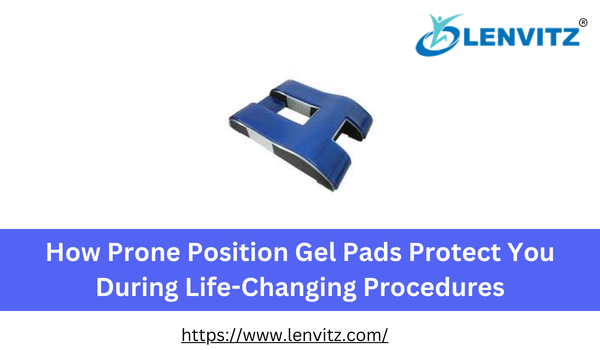
Perhaps the most sensitive area during face-down surgery is the head. To protect the eyes, nose, and chin, surgical teams use a specialized prone head rest.
A high-quality prone head rest is usually anatomically contoured. It features cut-outs for the eyes and mouth, ensuring that there is zero pressure on the eyeballs (which can cause vision issues) and that anesthetic tubes can remain securely in place. By using these advanced prone position gel pads for the face, doctors can ensure that while the back is being operated on, the face remains perfectly protected.
Why Every Surgery Needs a High-Quality OT Table Mat
The foundation of any surgical setup is the ot table mat. Standard operating table surfaces are designed for durability and sterilization, not necessarily for long-term comfort.
A specialized ot table mat made of medical-grade silicone gel helps in:
Pressure Distribution: It spreads the patient’s weight evenly across the surface.
Stability: It prevents the patient from sliding, which is crucial when the table is tilted during surgery.
Skin Integrity: It prevents “shearing,” a type of skin injury that happens when skin rubs against a coarse surface.
How Prone Position Gel Pads Improve Recovery
The goal of using prone position gel pads is to ensure that when you wake up from surgery, the only thing you feel is the healing process of the surgical site—not a sore neck, numb fingers, or bruised ribs.
For the general public, knowing that a hospital invests in top-tier prone position gel pads and a dedicated prone head rest is a sign of high-quality care. It shows a commitment to “total patient safety,” looking after the parts of the body that aren’t being operated on just as much as the ones that are.
Conclusion: Small Tools, Big Safety
While they might look like simple cushions, the ot table mat and associated gel pads are complex pieces of engineering. They turn the challenging requirements of Prone Positions into a safe, manageable environment for both the surgeon and the patient.
Safety in the operating room is a team effort, and these gel supports are the silent partners that make a successful recovery possible.
About the Author