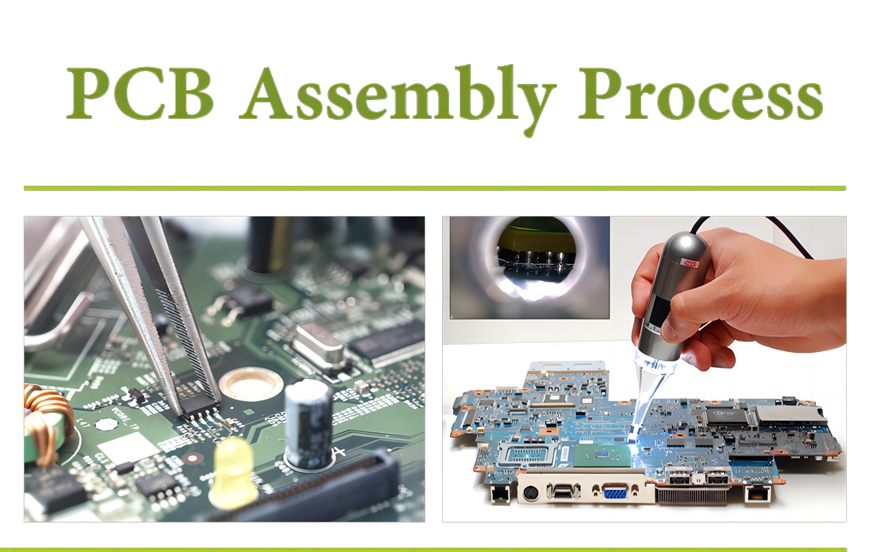
Modern electronics rely on precise parts that must fit, align, and perform without fail. Each one requires careful assembly to protect the components and maintain signal integrity. Many teams now bring a PCB assembly manufacturer into the process early to prevent production issues and shorten the path from concept to hardware.
Design teams often face tight project timelines. They make fast decisions about component footprints, layout shapes, and thermal needs. They need clear guidance on how a board will behave during soldering, testing, and inspection. This comes from the people who work with materials every day. A strong manufacturer understands how heat affects pads, how solder flows, and how component choices change the final assembly. A simple shift in package size can influence yield.
The Value of Bringing Assembly Experts in Early
A design can look correct on a screen but behave differently on a production line. A part might sit too close to a tall neighbor. A pad size might cause uneven heat distribution. A board outline might create challenges during reflow. These issues often surface late in the cycle, when changes take time and money.
A design team can share the early layout with a PCB assembly manufacturer to catch problems before they grow. The manufacturer reviews stencil thickness, placement pressures, solder joint shape, and thermal zones. They confirm if sensitive components need special handling. They also check whether the board requires specific panelization features to ensure robots can grip it safely.
Understanding How Assembly Decisions Shape Quality
A modern board undergoes several stages during PCB assembly. The first stage applies solder paste. The next stage places components. The final stages are to heat, inspect, and test the board. Each step depends on the one before it. A mistake in paste thickness can create solder bridges. A misplaced part can break during reflow. A tight cluster of large and small parts can create uneven cooling.
This is why many teams build a sample run with their chosen manufacturer. The sample shows how the board handles heat. It highlights tombstoning, solder voids, or component shift. The sample run also confirms if the board needs changes in pad size or copper distribution.
A simple device example clearly shows this. Picture a compact environmental sensor. It includes a humidity sensor, a microcontroller, and a wireless chip. The humidity sensor must stay clean during assembly. The microcontroller needs firm joints for long-term reliability. The wireless chip requires accurate placement to maintain its signal path. These details require coordination between the designer and the assembly team. The designer decides where each part sits. The assembly team explains how airflow and heat will affect those parts.
How Process Controls Support Reliability
A strong assembly partner uses tight process controls. These controls guide everything from solder screen tension to component reel storage. Temperature-controlled rooms protect moisture-sensitive components. Automated inspection checks joint shape and alignment. These small details safeguard performance.
A team relying on PCB assembly services often receives detailed reports after each run. The report might include solder wetting results, placement accuracy, and test data. These reports help engineers track board performance and make minor adjustments that improve each revision.
For example, if a connector shows a slight tilt, the report might recommend a wider pad. If thermal pads collect excess solder, the report might suggest changing the paste aperture. Each insight strengthens the final product.
Designing With Assembly in Mind
A board with tight routing can still follow assembly rules. Teams often make minor layout adjustments to improve yield and durability. They also consider how the device will be used. If a board sits inside a vibrating enclosure, the designer adds mechanical support around connectors. If the board can withstand high heat, the assembly process includes thermal profiling to match the component stack-up.
A design team often reviews these factors during early talks with a PCB assembly manufacturer. This helps the team prepare clear guidelines for future revisions. It also prevents surprises during mass production.
Building a Strong Partnership Between Design and Assembly
A smooth hardware program depends on accurate communication and steady feedback. A design engineer brings creativity and technical planning. A manufacturing partner brings practical knowledge of process behavior and long-term reliability. When both sides collaborate early, the final product performs better and reaches the market faster.
About the Author