In industries where even microscopic particles can compromise product quality, maintaining clean and controlled air is essential. This is why the fan filter unit has become one of the most important components in modern cleanrooms. At Rayshen, we provide high-performance FFU systems that help businesses achieve superior air purity, regulatory compliance, and operational efficiency.
A fan filter unit is not just an air purifier—it is a complete airflow management system designed specifically for contamination control in sensitive environments.
What Is a Fan Filter Unit?
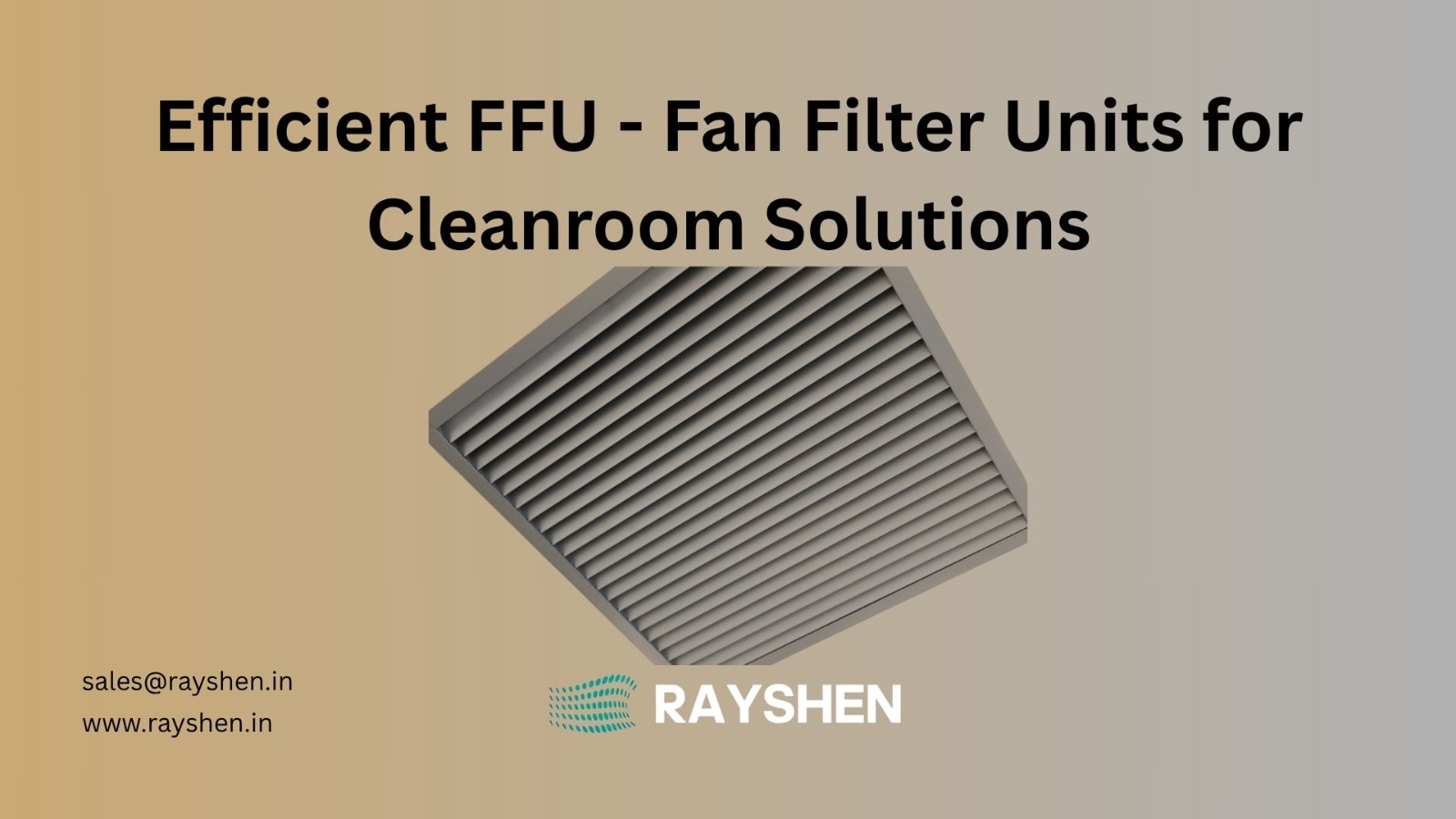
A fan filter unit, often referred to as an ffu, is a compact device that combines a fan and a hepa filter into a single system. It draws in air, filters out harmful particles, and releases clean air into the workspace.
FFUs are commonly installed in cleanroom ceilings or mounted above workstations. They provide localized air filtration, making them ideal for both modular cleanrooms and large industrial facilities.
How Fan Filter Units Work
The operation of a fan filter unit is simple yet highly effective. Air is pulled into the unit by a built-in fan. This air then passes through a HEPA filter, which traps dust, microbes, and other contaminants. The purified air is then released in a controlled, laminar flow.
Because each FFU operates independently, multiple units can be used together to maintain uniform air quality across an entire cleanroom. This modular design makes FFUs flexible and easy to scale as operational needs grow.
Importance of HEPA Filtration
The core of every fan filter unit is the hepa (High Efficiency Particulate Air) filter. These filters can remove up to 99.97% of particles as small as 0.3 microns. This includes bacteria, mold spores, and fine dust.
HEPA filtration is essential in industries such as pharmaceuticals, electronics, and healthcare, where contamination can lead to product defects, safety risks, or regulatory issues.
At Rayshen, all fan filter units are equipped with premium HEPA filters that meet international cleanroom standards.
Role of FFUs in Clean Room Equipment
FFUs are a key part of complete clean room equipment systems. They work alongside air showers, pass boxes, monitoring systems, and environmental controls to maintain a contamination-free environment.
Unlike traditional air handling systems, FFUs offer localized control. This means airflow can be directed precisely where it is needed, such as over critical work zones or sensitive machinery.
Rayshen integrates FFUs into customized cleanroom designs, ensuring optimal airflow distribution and consistent cleanliness levels.
Applications of Fan Filter Units
Fan filter units are used across a wide range of industries:
Pharmaceutical Manufacturing
In drug production, FFUs ensure sterile conditions by constantly supplying clean air to critical processing areas. This reduces the risk of microbial contamination and supports GMP compliance.
Electronics and Semiconductor Industry
Microchips and circuit boards are extremely sensitive to dust. FFUs create ultra-clean environments that protect components and improve production yield.
Hospitals and Laboratories
FFUs are used in operation theaters, isolation rooms, and research labs to prevent the spread of airborne pathogens.
Food and Beverage Processing
Clean air is vital for hygiene and product safety. FFUs help maintain sanitary conditions during food preparation and packaging.
Benefits of Using Rayshen Fan Filter Units
At Rayshen, our fan filter units are designed to deliver maximum performance with minimal energy consumption. Key advantages include:
High-efficiency HEPA filtration
Energy-saving fan motors
Low noise operation
Easy installation and maintenance
Modular and scalable design
These features make Rayshen FFUs suitable for both small-scale laboratories and large industrial cleanrooms.
Choosing the Right Fan Filter Unit
Selecting the right FFU depends on several factors:
Required cleanliness level (ISO class)
Room size and layout
Airflow requirements
Budget and energy considerations
For example, a pharmaceutical cleanroom may require higher airflow rates and stricter filtration standards compared to an electronics assembly area.
Rayshen experts help clients analyze their needs and recommend the most suitable fan filter unit models, ensuring long-term efficiency and compliance.
Maintenance and Performance Tips
To maintain optimal performance, fan filter units require regular maintenance. Over time, HEPA filters become clogged with particles, reducing airflow and efficiency.
Best practices include:
Monitoring pressure drop across filters
Replacing HEPA filters at recommended intervals
Cleaning fan components
Checking electrical connections
With proper maintenance, a high-quality FFU can operate reliably for many years.
Future Trends in FFU Technology
Modern cleanrooms demand smarter and more sustainable solutions. New FFU designs now include digital controls, real-time monitoring, and integration with building management systems.
Energy efficiency is also a major focus, with advanced fan motors and optimized airflow designs reducing power consumption without sacrificing performance.
Rayshen continues to innovate, offering next-generation fan filter units that combine automation, efficiency, and high filtration standards.
Conclusion
A fan filter unit is one of the most critical elements of cleanroom air filtration. By combining powerful airflow with advanced HEPA filtration, FFUs ensure that sensitive environments remain free from harmful contaminants.
When integrated into complete clean room equipment systems, fan filter units create a reliable foundation for quality, safety, and compliance. With trusted solutions from Rayshen, businesses can achieve cleaner air, higher productivity, and long-term success in competitive industries.
About the Author