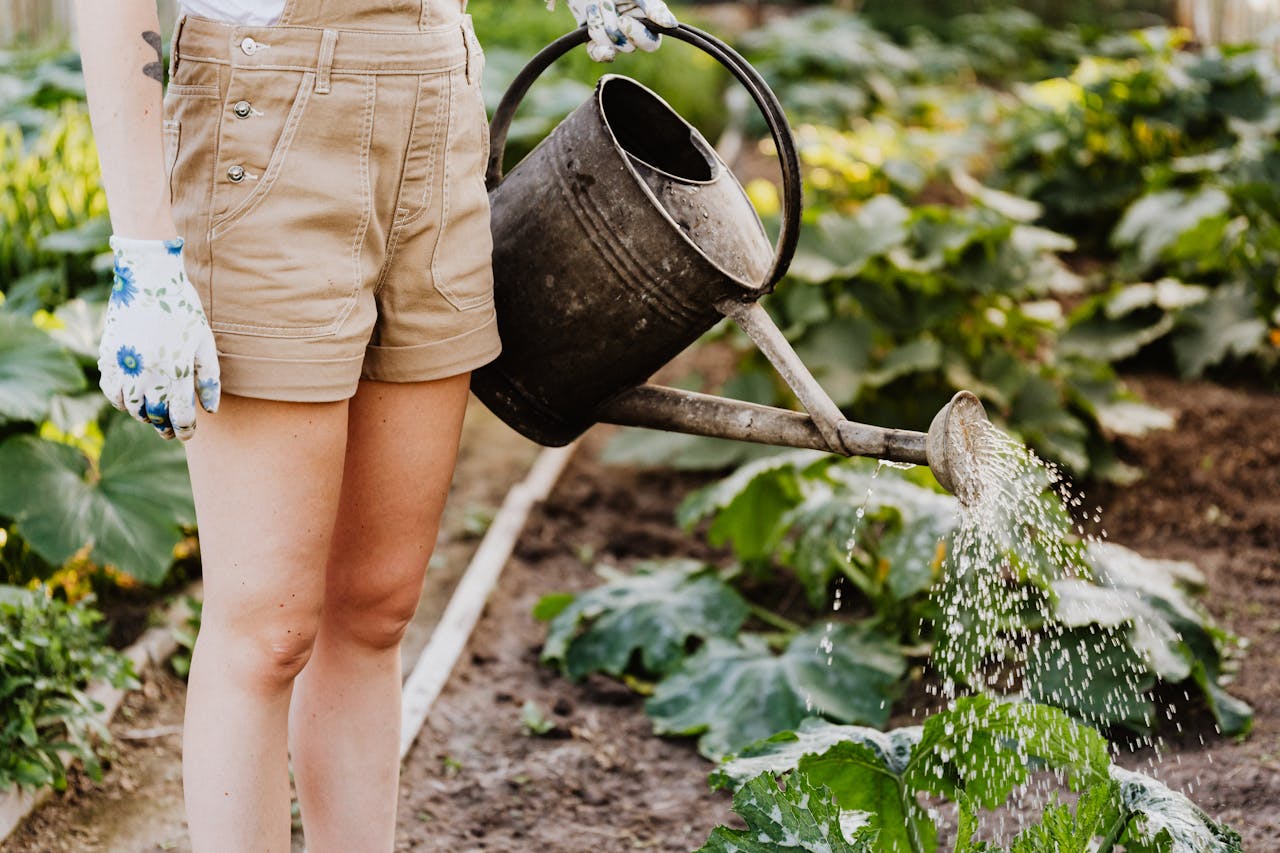
Quiet times can seem uncommon and ephemeral in a world that moves swiftly and calls for constant attention. Many people use apps, retreats, or self-help techniques to find serenity, but they ignore one of the most grounding activities out there: gardening. Gardening presents more than just fresh flowers or homegrown produce, whether it’s a single pot of herbs on a windowsill or an entire backyard plot. It also invites presence, patience and solitude into daily life.
Putting your hands in the soil and allowing life to grow at its own pace has a wonderfully calming effect. Gardening creates space for introspection and tranquility by gently drawing the mind into the present and away from distractions. A replenished sense of delight, poise and inner harmony that feels both natural and thoroughly fulfilling constantly blossoms alongside plants as they grow.
1. Gardening Encourages Mindfulness and Presence
Gardening naturally brings you back into the present moment. Your focus is fixed on what’s taking place in front of you when you’re watering soil, cutting leaves or planting seeds. This focus provides a respite from daily stresses and continual digital stimulation by calming racing thoughts and cutting down mental clutter.
In contrast to regimented exercises that depend on exercise equipment and rigid schedules, gardening enables mindfulness to develop spontaneously. You move methodically, delicately and attentively, taking in subtle changes in growth as well as textures, colors, and scents. Without effort or guidance, these sensory experiences help soothe the mind and promote presence. This constant awareness develops into a habit over time, assisting you in maintaining a calm focus in other aspects of your life.
2. Tending Plants Builds Patience and Emotional Balance
Gardens follow the schedule of nature rather than our own. Plants cannot be forced into bloom, and seeds do not sprout overnight. Few things can teach patience the way this does. The frustration that usually comes along with the demand for immediate results in modern life can be lessened by learning to wait, watch, and trust the process.
This patience translates into emotional equilibrium. Gardeners learn to accept failures—like weather shifts or stunted growth—without feeling guilty or pressed for time. Gardening rewards consistency rather than speed, in contrast to goal-driven fitness regimens focused on exercise equipment and quantifiable results. This way of thinking fosters psychological stability and resilience, enabling joy to flourish free from stress or irrational expectations.
3. Gardening Provides a Sense of Purpose and Accomplishment
The distinct sense of purpose that gardening offers is one of its most satisfying features. From planting to harvesting, every task has relevance and tangible outcomes. Seeing something flourish as a result of your efforts makes you feel validated and fulfilled and confirms that your efforts are worthwhile.
When other aspects of life seem overwhelming or stagnant, this sensation of victory can be potent. Gardens provide real advancement; you can observe development, enhancement and beauty as a result of your efforts. While some people look to performance goals or exercise equipment for motivation, gardening provides a more subdued but no less effective boost to confidence by transforming perseverance and hard work into concrete advantages.
4. Connection With Nature Restores Inner Calm
It has long been known that spending time in nature lowers stress and enhances emotional health. By allowing you to interact directly with nature, gardening enhances this bond. The presence of living things, the cycles of growth, and the rhythm of the seasons all contribute to a peaceful, rejuvenating experience.
Perspective is encouraged by this connection. When compared to the silent perseverance of nature, worries that once seemed overwhelming frequently become less intense. Gardening serves as a reminder that life never stops evolving and renewing itself, even in the face of adversity. No indoor routine or exercise equipment can completely replace the hope, grounding and deeper sense of peace that this awareness fosters.
5. Gardens Create Space for Reflection, Joy, and Creativity
A garden is a personal haven, not just a collection of plants. It provides a place for introspection where ideas can flow freely and without bias. While gardening, many people find perspective and use the time to process their feelings or just relax mentally.
Moreover, gardens encourage creativity. Self-expression is possible without the need for perfection through plant selection, layout design, and growth nurturing. Gardening is a very intimate and uplifting activity because of this creative freedom, which inspires happiness and playfulness. With time, the garden translates into a mirror of inner development, reflecting the contentment and tranquility that are fostered within.
_____________
Bloom Within
Through routine acts of care, gardening serves as a silent teacher, imparting lessons in resilience, patience and presence. You nurture yourself in the same way that you nurture plants—creating peaceful, joyful, and purposeful moments that subtly transform your inner world. The tranquility that comes from gardening comes from interacting with life’s obstacles more mindfully and gently rather than from running away from them.
Your garden can have a plausible impact regardless of how big or small it is. Every seed planted serves as a reminder that growth requires patience, attention and faith. Many people find something surprisingly potent while caring for a garden: inner peace can be developed gradually, one mindful moment at a time, and doesn’t need to be pursued through performance or productivity.
About the Author