Best Silver ETFs in India with Low Expense Ratios and High Trust
Investors who aim to build resilient and cost-efficient portfolios often seek assets that offer diversification without undue expense. One such investment category gaining attention is silver exchange-traded funds (ETFs). The best silver ETFs in India are those that combine low expense ratios with strong credibility, helping investors participate in silver’s price movements while minimizing costs and ensuring transparency. Unlike physical silver, which may involve storage and purity concerns, silver ETFs are traded like stocks and can be held in an investor’s demat account, making them a modern and convenient way to add precious metals exposure to any portfolio.
As global economic uncertainty and inflation concerns persist into 2026 and beyond, silver’s unique dual role as both an industrial metal and a precious asset has caught the interest of smart investors. Silver is widely used in technology, renewable energy, electronics, and medical equipment, alongside its traditional status as a hedge against monetary instability. Combining these factors with low-cost ETF structures makes silver ETFs an appealing option for long-term wealth protection and portfolio diversification.
In this expansive guide, we will explore how silver ETFs work, why low expense ratios matter, the top silver ETF options in India based on cost and trust, how to evaluate them, potential risks, tax implications, and strategic ways to incorporate them into your financial plan for strengthened returns.
What Are Silver ETFs and Why They Matter
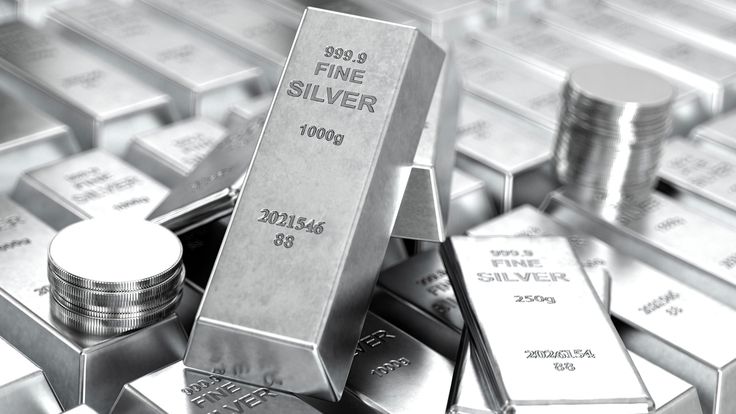
A silver ETF is an exchange-traded fund that tracks the price of physical silver. The fund holds physical bullion in secure vaults, and each unit of the ETF represents a proportional claim on that underlying silver. The key benefit of ETFs is that they allow investors to participate in silver’s price movements without holding physical metal, avoiding complications such as storage, insurance, or purity verification.
Silver ETFs trade on registered stock exchanges like the National Stock Exchange (NSE) and Bombay Stock Exchange (BSE), offering liquidity similar to stocks. Through this structure, investors can buy and sell units intra-day, place limit orders, and integrate silver exposure into diversified portfolios with ease.
Why Expense Ratios Are Critical for ETF Investors
Expense ratio refers to the annual fee charged by the fund house to manage the ETF. Even seemingly small differences in expense ratios can accumulate into significant cost impacts over time. For long-term investors, a lower expense ratio means more of the investment returns stay in the investor’s pocket rather than being eaten up by fees.
When comparing ETFs, particularly commodity-based ones like silver, expense ratios should be evaluated alongside tracking efficiency, liquidity, and fund size. A low expense ratio alone doesn’t guarantee superior performance, but when paired with high credibility and efficient tracking, it becomes a powerful factor in optimizing total returns.
Key Benefits of Investing in Silver ETFs
Silver ETFs offer several strategic advantages:
1. Cost Transparency
Low expense ratios and clear disclosure of management fees make it easy to calculate long-term costs.
2. Convenience
No need for physical storage or insurance, eliminating associated hassles.
3. Liquidity
ETFs can be bought and sold instantly during market hours, providing flexibility.
4. Diversification
Silver often behaves differently than traditional asset classes like stocks and bonds, offering a diversification hedge.
5. Fractional Investment
Investors can buy small units, making silver exposure accessible even with limited capital.
These benefits make silver ETFs particularly attractive for investors focused on long-term protection and cost efficiency.
Criteria for Selecting the Best Silver ETFs in India
When choosing the most suitable silver ETF, consider the following factors:
Expense Ratio
Lower expense ratios reduce long-term investment costs.
Tracking Efficiency
ETFs should closely follow the underlying silver price.
Liquidity
Higher trading volume ensures smoother transactions and tighter bid-ask spreads.
Fund Size and AUM
A larger asset base often indicates investor confidence and better trading depth.
Trust and Reputation
Established fund houses with transparent reporting add credibility.
Top Silver ETFs in India with Low Expense Ratios and High Trust
Below are some of the leading silver ETFs accessible to Indian investors that stand out for their cost structure and credibility. These options are suitable for investors looking to hold silver exposure efficiently and confidently.
Nippon India Silver ETF
One of the most recognized best silver ETFs in India, the Nippon India Silver ETF has built strong credibility due to its larger asset base and efficient tracking. With a relatively lower expense ratio compared to many peers, it offers an attractive balance of cost and performance.
Key Features:
Competitive expense ratio relative to the category average
Backed by physical silver holdings in secure vaults
Substantial market participation and liquidity
This ETF suits long-term investors who prioritize cost efficiency and transparency.
ICICI Prudential Silver ETF
The ICICI Prudential Silver ETF is offered by one of India’s most established asset management firms. It combines low cost with a solid performance track record and high trust among investors.
Strengths include:
Strong brand reputation
Transparent fee structure
Efficient tracking performance
Investors who value stability and minimal pricing friction often prefer this ETF.
Axis Silver ETF
The Axis Silver ETF has gained traction due to its focus on cost competitiveness and fund transparency. While relatively newer than other options, it has quickly become a strong contender thanks to low expense ratios and consistent disclosure practices.
Notable Points:
Focus on cost-effective management
Growing investor base
Reliable tracking of silver prices
This ETF is becoming a go-to choice for cost-conscious investors seeking credible exposure.
Before investing, always compare the latest expense ratios, assets under management, and liquidity figures to ensure these funds align with your strategy.
Understanding Tracking Efficiency
Tracking efficiency refers to how closely the ETF’s price reflects changes in the underlying silver price. Even with low expense ratios, an ETF with high tracking error may underperform relative to silver itself. To assess tracking efficiency, consider long-term performance data and how closely ETF returns mirror silver’s spot price over different market conditions.
A good silver ETF should deliver returns that closely resemble actual silver price movements, net of costs. This becomes particularly important in volatile periods when accurate tracking leads to more reliable outcomes.
How Silver ETFs Provide Portfolio Protection
Silver has historically been viewed as a store of value and an inflation hedge. During periods of heightened inflation or currency weakness, precious metals like silver can help preserve purchasing power. Additionally, silver’s industrial demand — especially in technologies like solar energy, electronics, and electric vehicles — adds a growth component to its defensive characteristics.
Silver ETFs allow investors to access this protective quality without direct involvement in physical metal handling. In diversified portfolios, silver exposure can reduce overall risk, especially during equity market downturns.
Tax Implications for Silver ETFs in India
Investors should be aware of tax treatment, which affects net returns. Silver ETFs are treated as capital assets:
If units are held for more than three years, gains qualify as long-term capital gains, and indexation benefits may apply, reducing taxable income.
If units are sold within three years, the gains are treated as short-term capital gains and taxed according to your income slab.
Tax rules are subject to change, so consulting a tax professional for tailored advice is recommended.
Potential Risks of Silver ETF Investing
While silver ETFs offer several advantages, investors must understand the associated risks:
Price Volatility
Silver prices can be volatile, influenced by industrial demand, economic data, and global monetary policy.
Currency Impact
Since silver is globally priced in US dollars, exchange rate movements (₹/USD) can affect returns for Indian investors.
Tracking Error
Expense ratios and operational costs may cause slight differences between ETF performance and actual silver price movements.
Understanding these risks helps investors set realistic expectations and avoid emotional decisions.
Strategies to Invest in Silver ETFs
Here are some practical strategies:
Gradual Accumulation
Instead of investing a lump sum, consider buying silver ETF units gradually over time to average cost.
Strategic Allocation
Maintain silver exposure as a portion of a diversified portfolio — typically between 5 percent to 10 percent, depending on your risk appetite.
Timing on Corrections
During market dips or weak sentiment phases, accumulate additional exposure if it aligns with your strategy.
Long-Term Perspective
Silver often performs well over economic cycles. Patience enhances potential outcomes.
Comparing Silver ETFs with Other Precious Asset Classes
Silver ETFs are often compared with gold ETFs. While both offer inflation protection and diversification, they serve slightly different roles:
Gold is more traditionally considered a safe haven during extreme market stress.
Silver blends defensive qualities with industrial demand, offering growth potential during economic expansions.
Both can be part of a diversified precious metals strategy, but expense, liquidity, and investment goals should guide allocations.
Practical Tips for ETF Investors
To make the most of your silver ETF investments:
Review expense ratios annually
Track portfolio performance periodically
Understand tax implications before transacting
Maintain discipline to avoid emotional reactions during volatility
Make informed decisions based on data rather than market noise.
Outlook for Silver in 2026 and Beyond
Several factors can influence silver’s trajectory toward 2026:
Renewable energy adoption (especially solar) increases silver demand.
Electric vehicle growth uses silver in electronic components.
Technology production continues to consume silver in circuit boards and batteries.
Monetary policy and inflation dynamics can shift investor preference toward precious metals.
Considering these structural trends, silver may remain an important diversification asset in the medium to long term.
Final Thoughts
Choosing the best silver ETFs in India with low expense ratios and high trust can help investors safeguard portfolios while keeping costs under control. By balancing cost, tracking efficiency, liquidity, and credibility, you can select funds that align with your financial goals.
As part of a wider investment strategy, some traders also use tools like mstock margin trading to capture short-term market moves. While margin strategies require discipline and risk management, combining tactical opportunities with strategic long-term assets like silver ETFs can strengthen both growth and protection elements in your overall portfolio, helping you navigate market uncertainty with confidence.
About the Author