The Rise of Intelligent Banking Operations in 2026
The global financial sector is undergoing a structural transformation, with banking process automation emerging as a strategic priority rather than a tactical initiative. In 2026, banks are no longer experimenting with automation—they are redesigning entire operational models around it. This shift is driven by rising customer expectations, regulatory complexity, and the need for real-time decision-making. Automation is now embedded across lending, compliance, onboarding, and customer service, enabling institutions to operate faster, smarter, and at scale.
Key Technology Trends Shaping Automation
Artificial intelligence has become the backbone of modern banking workflows. In 2026, AI is no longer limited to chatbots or isolated tools; it is powering end-to-end orchestration of processes. Autonomous agents can analyze data, trigger workflows, and adapt decisions dynamically, transforming static systems into intelligent ecosystems.
Another defining trend is the convergence of robotic process automation, machine learning, and analytics into what is often called intelligent or agentic automation. This allows banks to handle unstructured data, automate complex decision-making, and continuously optimize workflows. Additionally, process mining and simulation technologies are helping institutions identify inefficiencies and test improvements before implementation, reducing risk and accelerating innovation cycles.
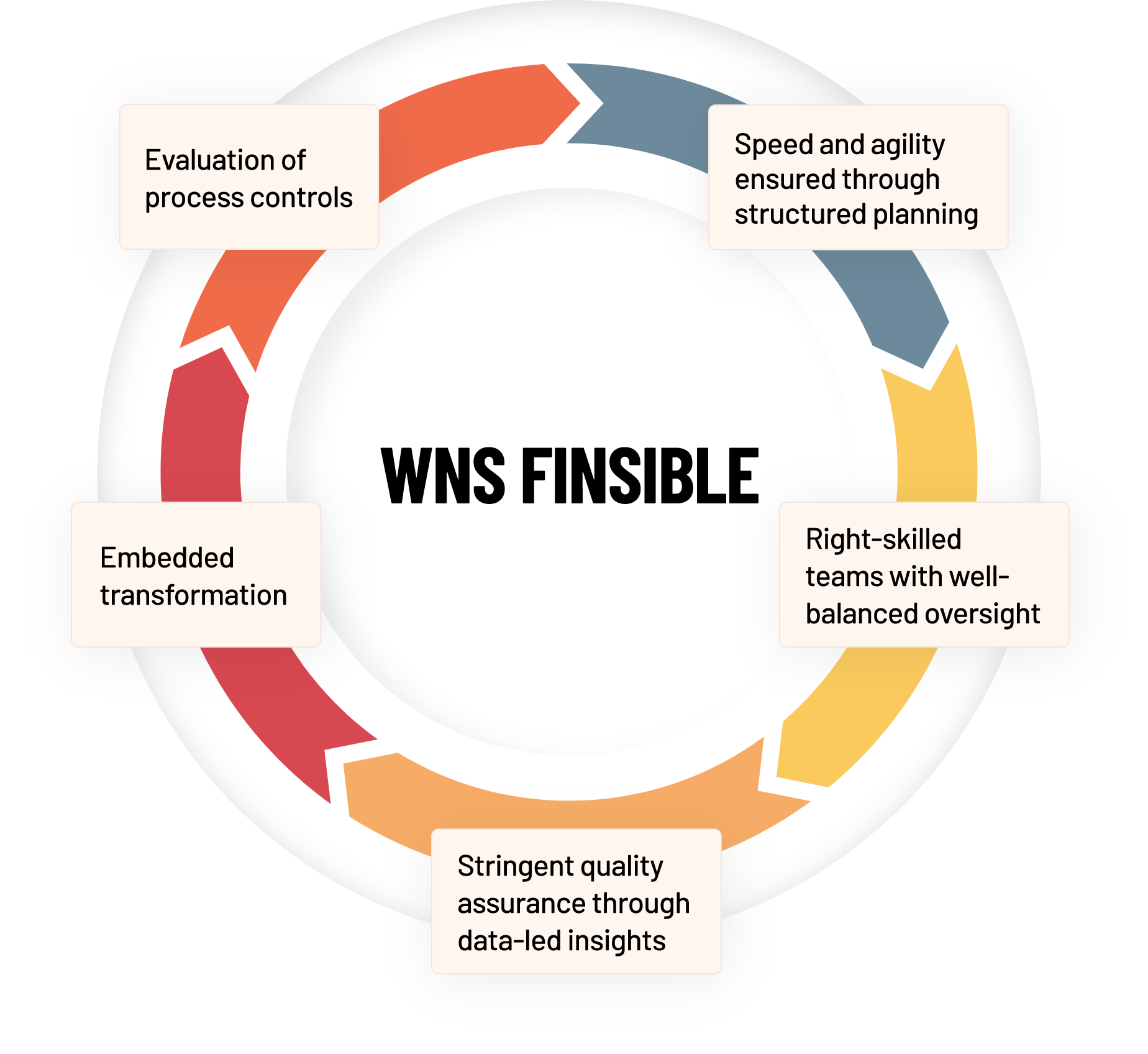
Governance and compliance are also being built directly into automated systems. With increasing regulatory scrutiny, banks are prioritizing explainable AI and embedded controls, ensuring that automation enhances—not compromises—trust and accountability.
From Task Automation to End-to-End Transformation
A major shift in 2026 is the move from fragmented automation to enterprise-wide transformation. Earlier approaches focused on automating individual tasks, such as data entry or document processing. Today, leading institutions are automating entire value chains—from customer onboarding to loan servicing and fraud detection.
This transition is critical because incremental automation alone cannot address rising operational costs or complexity. Instead, banks are adopting orchestration layers that connect systems, departments, and workflows into unified processes. The result is a seamless operational model where data flows continuously and decisions are made in real time.
Measuring ROI: Beyond Cost Reduction
Return on investment has become a central focus for automation strategies in 2026. With increasing budgets allocated to AI and automation, executives are demanding clear, measurable outcomes. Key performance indicators now include reduced processing time, improved accuracy enhanced customer satisfaction, and revenue growth from personalized services.
The financial impact is significant. Automation technologies can reduce processing times by up to 80% and minimize errors to near zero, while delivering ROI within months in many use cases. These gains are not limited to cost savings; they also enable banks to scale operations without proportional increases in workforce or infrastructure.
Strategic Benefits You Can’t Ignore
Automation is no longer just about efficiency—it is a driver of competitive advantage. Banks that successfully implement intelligent automation are achieving faster time-tomarket, better risk management, and more personalized customer experiences. AIdriven insights allow institutions to anticipate customer needs, detect fraud proactively, and optimize lending decisions.
Moreover, automation is enabling a shift in workforce roles. Employees are moving away from repetitive tasks toward higher-value activities such as strategy, analysis, and customer engagement. This not only improves productivity but also enhances organizational agility in a rapidly changing market.
The Road Ahead for Banking Automation
Looking forward, the future of banking lies in fully autonomous, data-driven operations. Institutions will increasingly rely on intelligent systems that can learn, adapt, and make decisions with minimal human intervention. However, success will depend on aligning technology with governance, talent, and business strategy. In 2026, the message is clear: automation is not optional. It is the foundation for resilience, innovation, and sustainable growth in the banking sector.
About the Author