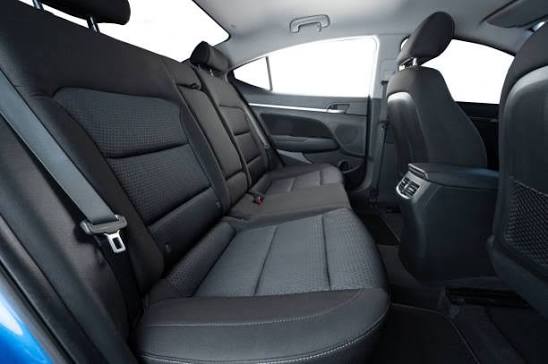
Automotive seats are evolving from basic cabin components into engineered systems that influence comfort, safety, vehicle efficiency, and the overall passenger experience. Modern vehicle buyers increasingly expect interiors to support longer journeys, changing mobility habits, and personalized comfort. This shift is encouraging automakers and seating suppliers to rethink seat structures, materials, adjustment mechanisms, and electronic functions across passenger and commercial vehicles.
The transition is particularly visible in connected, premium, and electric vehicles, where cabin design has become an important point of differentiation. Advanced vehicle seating technologies now include powered adjustment, thermal regulation, ventilation, massage functions, and intelligent positioning. These capabilities are gradually changing how manufacturers approach seat engineering and passenger-focused interior development.
Research published by MarkNtel Advisors estimates the global automotive seats market at USD 78.5 billion in 2026 and projects it to reach USD 90.4 billion by 2032, with an estimated CAGR of around 3.87% during 2026–2032. The outlook reflects wider vehicle production, increasing consumer ownership, electrification, and continuing advances in interior technologies that support more sophisticated seating configurations.
Comfort Is Becoming a Core Vehicle Design Priority
Seat comfort is no longer defined only by cushioning or upholstery quality. Manufacturers increasingly evaluate posture support, pressure distribution, thermal comfort, adjustability, and ease of entry when developing vehicle interiors. This broader approach is especially relevant for drivers who spend extended periods in vehicles and passengers who expect premium cabin features across a wider range of vehicle categories.
Ergonomic design is also becoming closely connected with seat positioning and occupant protection. UN Regulation No. 17 covers vehicle approval requirements concerning seats, seat anchorages, and head restraints, illustrating the technical and safety considerations attached to seating structures. These requirements reinforce the importance of engineering seats as integrated vehicle systems rather than isolated interior components.
Smart Seating Adds Intelligence to the Vehicle Cabin
Smart seating systems use electronic controls, sensors, and software-supported functions to create a more responsive cabin experience. Memory adjustment can restore preferred seating positions, while posture sensing and adaptive positioning may help the seat respond to occupant requirements. Thermal systems can also regulate heating or ventilation, allowing the seating environment to become more personalized without relying entirely on whole-cabin climate settings.
These developments align with the wider digitalization of vehicle interiors. As dashboards, infotainment systems, driver assistance functions, and connected features become more software-oriented, seats are increasingly joining the digital cabin ecosystem. Intelligent seating platforms may exchange information with other vehicle systems, supporting coordinated comfort settings and more context-aware passenger experiences.
Electric Vehicles Are Influencing Seat Engineering
Electric vehicle architecture is creating different priorities for interior designers and component manufacturers. Battery placement, energy efficiency, vehicle weight, and cabin packaging can influence how seating systems are developed. Lightweight seat frames, optimized foams, and compact adjustment mechanisms can contribute to broader vehicle engineering objectives while maintaining the comfort expected by drivers and passengers.
EV cabins are also receiving greater design attention because quieter powertrains can make interior quality more noticeable. Seat vibration, material feel, mechanical movement, and thermal performance may have a stronger influence on perceived cabin refinement. As a result, seating suppliers are examining materials and engineering approaches that balance comfort, durability, noise control, and weight reduction.
Safety Requirements Continue to Shape Seat Development
Vehicle seats play an important structural role during a collision. Seat strength, anchorages, head restraints, and the interaction between seating positions and restraint systems require careful engineering. The U.S. National Highway Traffic Safety Administration separately identifies federal standards covering seating systems, head restraints, occupant crash protection, seat belt assemblies, and seat belt anchorages, showing how seating safety intersects with several vehicle protection requirements.
Advanced seat electronics may further expand the relationship between seating and occupant monitoring. Sensors can potentially help vehicle systems understand whether a seat is occupied or identify seating position information. Such data can support the wider development of intelligent cabin functions, although implementation must remain aligned with safety validation, vehicle architecture, and applicable regulatory requirements.
Sustainable Materials Are Gaining Greater Attention
Material selection is another important area of automotive seat innovation. Traditional seat production depends on steel, polyurethane foam, fabrics, synthetic leather, genuine leather, and multiple electronic components. Fluctuating material costs and sustainability objectives are encouraging manufacturers to examine recyclable structures, recycled textiles, bio-based foams, and modular designs that may reduce material dependency or simplify future component recovery.
The challenge is maintaining durability, comfort, appearance, and safety while introducing alternative materials. Automotive seats experience repeated loading, temperature changes, vibration, and long operating cycles. Sustainable seating solutions therefore require extensive material evaluation and manufacturing consistency before broad vehicle integration. This makes material innovation a technical engineering issue as much as an environmental consideration.
OEM Integration Supports More Complex Seating Systems
Factory-installed seating systems remain central to advanced seat adoption because sophisticated functions must often be integrated with vehicle electronics, power systems, sensors, and interior architecture. Powered movement, thermal comfort, and connected cabin functions require coordination between automakers and component suppliers during vehicle development. Early engineering collaboration can help ensure that seat designs match platform dimensions, electrical requirements, safety specifications, and manufacturing processes.
This integrated approach is particularly important as vehicles adopt more complex digital features. Seating manufacturers are increasingly expected to contribute expertise in electronics, materials, mechanical structures, software-related interfaces, and occupant comfort. The result is a supplier environment in which seat development involves multidisciplinary engineering rather than conventional interior component production alone.
The Future of Automotive Seating Is More Personalized
Automotive seating is moving toward a combination of comfort, intelligence, safety, and efficient design. Heated and ventilated functions are becoming more familiar, while posture sensing, adaptive positioning, biometric interaction, and wellness-focused features indicate how future cabins may become increasingly responsive to occupants. Adoption levels will vary by vehicle segment, cost structure, consumer demand, and technical complexity.
As vehicle interiors continue to change, seats are likely to remain a critical point of interaction between passengers and mobility technology. The next phase of automotive seat development will depend on how effectively manufacturers balance personalization with safety, sustainability, durability, and production efficiency. Smart seating is therefore becoming an important part of the broader transition toward connected and passenger-centered vehicle cabins.
About the Author