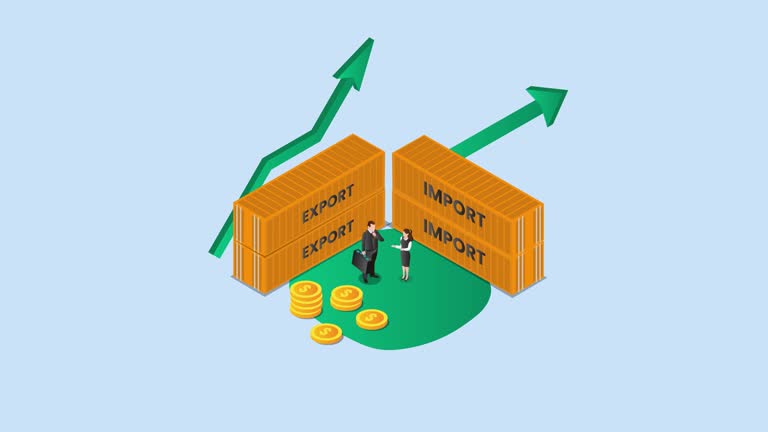
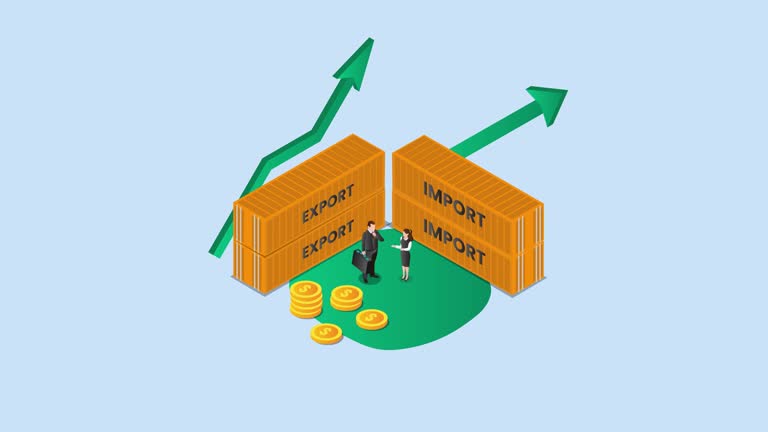
 India’s export sector has become one of the major contributors to economic growth, creating opportunities for businesses to expand beyond domestic markets. To support exporters and manufacturers, the government offers several incentive programs under the Foreign Trade Policy. Among the most important initiatives are the Export Promotion of Capital Goods Scheme and Advance Authorisation.
These schemes help businesses reduce import costs, improve manufacturing efficiency, and increase competitiveness in global markets. While both programs focus on promoting exports, they serve different purposes and offer unique benefits. Understanding their role can help businesses make informed decisions and maximize available opportunities.
What is the Export Promotion of Capital Goods Scheme?
The Export Promotion of Capital Goods Scheme (EPCG) allows businesses to import capital goods such as machinery, equipment, and production technology at reduced or zero customs duty. In exchange, companies are required to fulfill specific export obligations within a prescribed period.
The primary objective of the scheme is to encourage modernization and technological advancement in Indian industries. By lowering the cost of importing advanced machinery, businesses can upgrade production facilities and improve product quality without making large upfront investments.
For example, a food processing company importing automated packaging machinery under the Export Promotion of Capital Goods Scheme can increase production efficiency while reducing operational costs.
Understanding Advance Authorisation
Advance Authorisation is another important export promotion scheme that allows businesses to import raw materials, components, and inputs duty-free when they are used for manufacturing export products.
Unlike the Export Promotion of Capital Goods Scheme, which focuses on machinery and equipment, Advance Authorisation helps reduce the cost of production by eliminating customs duties on essential manufacturing inputs.
For instance, a garment manufacturer importing specialty fabrics for export orders can benefit from Advance Authorisation and significantly lower production expenses.
Key Benefits of Export Promotion of Capital Goods Scheme
The Export Promotion of Capital Goods Scheme offers several advantages that support long-term business growth and export expansion.
Reduced Cost of Capital Investment
Importing advanced machinery can be expensive, especially for growing businesses.
The scheme helps companies acquire modern production equipment without paying full customs duties, making technology upgrades more affordable and accessible.
Reduced capital expenditure allows businesses to allocate resources toward expansion, workforce development, and research initiatives that contribute to long-term growth.
Improved Manufacturing Efficiency
Modern equipment can significantly enhance production capabilities.
Advanced machinery often improves productivity, reduces wastage, and increases consistency in product quality, helping businesses meet international standards more effectively.
Automation and technology upgrades can also streamline operations and improve overall manufacturing performance.
Enhanced Export Competitiveness
Global buyers increasingly demand high-quality products at competitive prices.
Businesses using upgraded production systems can manufacture superior products while maintaining cost efficiency, giving them a stronger position in international markets.
Benefits of Advance Authorisation
Advance Authorisation is particularly valuable for exporters who rely heavily on imported raw materials.
Lower Production Costs
One of the biggest advantages of Advance Authorisation is the reduction of import-related expenses.
Duty-free imports of raw materials help businesses lower manufacturing costs, allowing them to improve profit margins without compromising product quality.
Reduced costs also make it easier for exporters to compete with international suppliers in price-sensitive markets.
Better Inventory Planning
Businesses can manage production more efficiently when import duties are removed.
Access to essential materials at lower costs helps manufacturers maintain steady production schedules and meet export deadlines more effectively.
Support for Export Expansion
Lower operational costs often create opportunities for growth.
Exporters can use the savings generated through Advance Authorisation to increase production capacity, explore new markets, and invest in product development.
Difference Between Export Promotion of Capital Goods Scheme and Advance Authorisation
Although both schemes promote exports, they address different business requirements.
The Export Promotion of Capital Goods Scheme focuses on importing machinery and production equipment needed for long-term operational improvement. It supports modernization and infrastructure development.
Advance Authorisation, on the other hand, is designed to reduce manufacturing costs by allowing duty-free imports of raw materials and production inputs used in export products.
Businesses should carefully evaluate their operational needs before choosing the most suitable scheme.
Common Challenges Businesses Face
While these schemes provide significant advantages, businesses must also manage compliance responsibilities.
Documentation and Compliance Requirements
Maintaining accurate records is essential for successful participation.
Companies must keep detailed records of imports, exports, invoices, shipping documents, and production data to demonstrate compliance with scheme requirements.
Failure to maintain proper documentation may lead to delays, penalties, or loss of benefits.
Monitoring Export Obligations
Export commitments must be fulfilled within specified timelines.
Businesses need effective systems to track obligations and ensure targets are achieved without complications.
Understanding Regulatory Procedures
Foreign trade regulations can sometimes be complex.
Many businesses benefit from professional guidance to navigate application procedures, compliance requirements, and reporting obligations effectively.
How Businesses Can Maximize Benefits
To gain the maximum advantage from these schemes, companies should adopt a strategic approach.
Develop a clear import and export plan before applying so that machinery purchases and raw material imports align with actual business requirements and export demand.
Maintain organized documentation systems that allow quick access to records during audits, inspections, or compliance reviews.
Regularly review export performance and obligations to ensure targets are met within the required timeframe and avoid unnecessary penalties.
Seek expert advice when needed to simplify regulatory processes and improve overall efficiency in managing scheme benefits.
Conclusion
The Export Promotion of Capital Goods Scheme and Advance Authorisation are powerful tools that help Indian exporters reduce costs, improve production capabilities, and strengthen their position in international markets. While the Export Promotion of Capital Goods Scheme supports technological advancement through affordable machinery imports, Advance Authorisation helps businesses reduce manufacturing expenses through duty-free raw material imports.
When used effectively, these schemes can contribute significantly to business growth, operational efficiency, and export success. Understanding their benefits and compliance requirements is essential for companies looking to expand globally and achieve sustainable long-term growth.
Ready to strengthen your export business and improve profitability? Explore the benefits of the Export Promotion of Capital Goods Scheme and Advance Authorisation today. Consult trade experts, evaluate your eligibility, and take advantage of these government-backed initiatives to enhance competitiveness and accelerate global business growth.
About the Author