Color shapes every streetwear outfit. It controls mood, style, and first impressions. Many people focus on brands or cuts, but color choices decide if a look feels clean or confusing. You can learn simple color rules and build strong outfits without stress. This guide explains color basics and gives easy steps you can use today.
Streetwear uses bold ideas, but it also relies on balance. Bright sneakers look stronger next to neutral pants. A colorful hoodie looks better when the rest stays simple. You create great style when every piece supports the other pieces. Color theory helps you guide these choices.
Why Color Matters in Streetwear
Color affects how people read your outfit. Dark colors feel steady. Bright colors feel loud. Soft colors feel calm. You can use these ideas to match your mood for each day. You can also use color to highlight one item. This makes your outfit feel planned, not random.
Color also builds personal identity. Some people love dark palettes. Some people love color pops. There is no wrong direction, only choices that suit your taste. When you understand color rules, you can break them with purpose.
Start With Neutral Colors
Neutrals make outfits easy. Black, white, gray, brown, olive, and navy mix well with almost anything. These colors build your base wardrobe. You can match them with bright colors without thinking too much.
A black hoodie works with cargo pants, denim, or shorts. A white tee works under any jacket. You save money and time when your base colors mix with many things. Neutrals also make cheap clothing look clean and elevated.
Use the 70-20-10 Rule
Many stylists use a simple ratio: seventy percent neutral, twenty percent secondary color, and ten percent highlight color. The largest area stays calm. The medium area supports the calm area. The smallest area stands out.
For example, wear gray cargos and a black tee as your seventy percent. Add a navy overshirt as your twenty percent. Finish with bright sneakers as your ten percent. This rule builds balance without effort. You can also reverse the order if you want more brightness, but the ratio keeps your look controlled.
Understand Primary and Secondary Colors
Primary colors include red, blue, and yellow. These colors look bold and strong. Secondary colors include green, orange, and purple. These colors come from mixing primaries. You see many of these colors in sneakers, hoodies, graphics, and jackets.
You can match primary with secondary when you pick shades with similar intensity. A bright blue jacket works with a deep green pant. A soft red shirt works with a dusty orange shoe. You only need to check if shades feel soft or loud and match them in that energy.
Monochrome Outfits Always Work
A monochrome outfit uses one color in different shades. You can wear black pants, a charcoal hoodie, and a gray jacket. The mix stays in the same family, so it looks clean. The outfit feels easy but stylish.
You can do this with earth tones. Brown pants, tan tee, and cream jacket build a modern fit. This method also helps new streetwear fans because you avoid clashing colors. You only need to pick shades that sit close together.
Color Pops Add Energy
A color pop uses one bold item to lift your whole outfit. You can wear simple neutral pieces and add a bright hat, bright shoes, or a bright jacket. The pop draws attention to one area. It also makes your outfit look more alive.
Use pops in small amounts. A single bright piece often looks better than three bright pieces. This method supports minimal budgets and still gives a strong effect.
Dark Colors Look Sharp at Night
Nights out and parties often work well with dark colors. Black jackets, dark denim, and deep colors create a clean line and strong shape. Dark colors also look good under club lights. A dark palette feels sleek, confident, and modern.
You can still use a pop, such as a colored sneaker or graphic tee. The pop stands out more when the rest stays dark.
Earth Tones Stay Important
Earth tones include brown, olive, tan, and cream. These tones appear in many streetwear collections because they feel natural and timeless. You can mix earth tones with black or white for simple outfits. You can also build full earth tone fits for soft and modern style.
Earth tones also work well with everyday use. They never feel too loud. They stay easy to repeat each week.
Warm and Cool Colors Change Mood
Warm colors include red, orange, and yellow. They feel active and strong. Cool colors include blue, green, and purple. They feel calm and steady. You can guide your mood with this idea.
If you want a bold look, use warm colors. If you want a clean look, use cool colors. You can also mix them when you balance their strength. For example, pair a cool navy jacket with a warm orange tee in a soft shade.
Graphics and Color Placement
Graphics change how colors read. A large graphic with many colors can take over your outfit. You should let the graphic stand alone. Keep the rest of the outfit neutral.
If your graphic is small, you can play with colors around it. A small red graphic on a black tee might look strong with red accents in your hat or socks. You guide the eye with small details.
Sneakers Decide the Direction
Sneakers often lead color choices because they usually stand out the most. You can build your outfit around your shoes. If your sneakers are bright, keep the rest calm. If your sneakers are simple, you can add color on top.
Simple white or black sneakers support almost any palette. Colorful sneakers need more planning. Look at the main color in the shoe and match one small part of your outfit to that color. This creates a visual link.
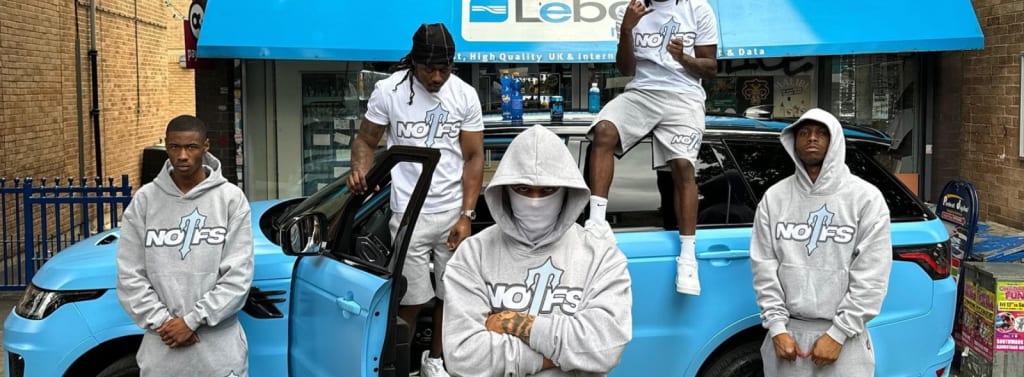
I also recommend adding one smart set like a nofs tracksuit at some point because clean tracksuits often use simple color blocks that make matching easier.
Layering Helps Color Flow
Layers let you show multiple colors in the same outfit. A tee, overshirt, and jacket can each add a different shade. You can blend colors step by step. You can start with a light inner layer, a medium tone middle layer, and a dark outer layer. This makes your outfit look planned and modern.
Layers also let you adjust color based on the setting. Remove the jacket for a simpler look or add it for more depth.
You can also try a clean set like a nofs tracksuit original when you want simple layering without thinking too much about color mixing on busy days.
Avoid Too Many Bright Colors
Strong colors look good in small amounts. When you wear too many bright items together, the outfit loses focus. You should choose one lead color and let the others support. If you love color, you can rotate your pops each day instead of wearing all of them at once.
Repeat Colors in Small Areas
Repeating a color in small areas builds unity. If your shoes contain a hint of blue, wear a cap with a similar blue shade. If your jacket has red details, add a red graphic or red socks. These repeats tie the outfit together and make it feel intentional.
Practice With Simple Combos
You can start with safe pairs: black and white, navy and gray, olive and cream. These combos always look good. When you feel confident, you can try bolder pairs like red and black, purple and gray, or tan and blue.
Practice also helps you learn your personal taste. You will see which colors fit your energy and body tone.
You can also wear relaxed pants like a nofs jogger on casual days because neutral joggers match almost any streetwear palette and simplify your styling choices.
Use Inspiration, Not Copying
Look at outfits on social media for ideas, not exact copies. Check how creators place colors. Check how they balance bright and dark. Notice how they repeat colors. You can use these lessons with affordable pieces you already own.
Build a Small Color Wardrobe
You do not need many colors. Build a small palette that fits you. Some people love earth tones. Some prefer monochrome. Some enjoy dark fits with one bright accent. Your goal is consistency. When your closet follows one direction, matching becomes easy.
Conclusion
Color theory makes streetwear simple. You only need basics and small rules. Start with neutrals. Use pops wisely. Understand warm and cool tones. Use layering for balance. Repeat colors for unity. Build outfits around your sneakers. Avoid too many bright items at once.
These steps work for every budget and every level. You do not need expensive pieces to match like a pro. You only need patience and practice. Color feels complex at first, but it becomes natural when you test ideas. Use your own taste, trust your eye, and enjoy the process of building clean, confident, and modern streetwear looks.
About the Author