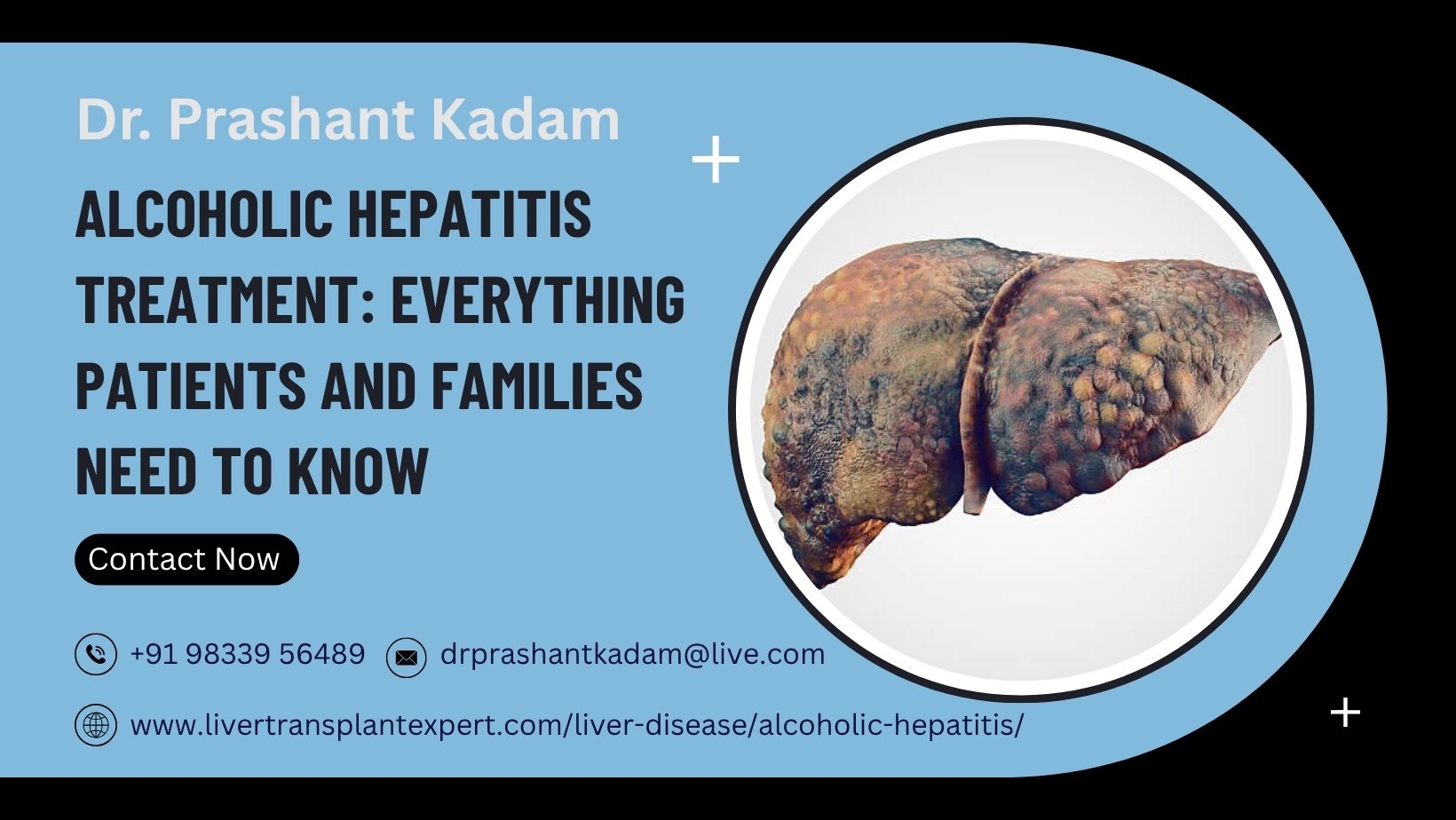
When someone you love is diagnosed with alcoholic hepatitis, the first emotion is often fear followed quickly by confusion. What does this diagnosis really mean? Can it be treated? Will life ever go back to normal? These are honest questions, and you deserve honest answers.
This blog breaks down everything you need to know about alcoholic hepatitis in plain language, without the medical jargon.
What Is Alcoholic Hepatitis?
Alcoholic hepatitis is inflammation of the liver caused by heavy, prolonged alcohol consumption. The liver, which filters toxins from the blood, becomes damaged and swollen when repeatedly exposed to large amounts of alcohol over time.
It is important to understand that not every heavy drinker develops this condition but those who do need prompt medical attention. Left untreated, it can progress to liver cirrhosis or complete liver failure.
The condition can range from mild to severe. In mild cases, stopping alcohol and proper nutrition may be enough. In severe cases, hospitalization and advanced medical treatment become necessary.
Recognising Alcoholic Hepatitis Symptoms Early
Catching the warning signs early can genuinely save a life. Common alcoholic hepatitis symptoms include:
- Yellowing of the skin and eyes (jaundice) one of the most visible and early signs
- Abdominal pain and swelling particularly in the upper right side where the liver sits
- Nausea, vomiting, and loss of appetite
- Fatigue and general weakness
- Fever even a low-grade one that does not seem to go away
- Confusion or difficulty thinking clearly a sign that liver function is severely affected
Many people dismiss these symptoms as tiredness or a stomach bug. If these signs appear especially alongside a history of heavy drinking please see a doctor immediately. Early diagnosis changes outcomes dramatically.
How Is Alcoholic Hepatitis Diagnosed?
Doctors diagnose alcoholic hepatitis through a combination of blood tests, imaging, and sometimes a liver biopsy. Blood tests check liver enzyme levels, bilirubin, and clotting function. An ultrasound or CT scan helps assess the extent of liver damage.
A scoring system called the Maddrey Discriminant Function (MDF) is often used to measure severity and guide treatment decisions.
Treatment Options for Alcoholic Hepatitis
Treatment depends largely on how severe the condition is. Here is what the journey typically looks like:
1. Complete Alcohol Abstinence This is non-negotiable. Stopping alcohol is the single most important step in treatment. Even partial reduction is not enough complete abstinence gives the liver its best chance to heal.
2. Nutritional Support Malnutrition is extremely common in alcoholic hepatitis patients. A high-protein, high-calorie diet is prescribed. In severe cases, nutritional support may be delivered through a feeding tube.
3. Medications For severe alcoholic hepatitis, doctors often prescribe corticosteroids such as prednisolone to reduce liver inflammation. Pentoxifylline is another medication used in cases where steroids are not suitable.
4. Managing Complications Many patients develop complications such as infections, kidney problems, or internal bleeding. These are managed alongside the primary treatment to stabilise the patient.
5. Liver Transplant When the liver is too damaged to recover even with the best medical treatment a liver transplant becomes the only life-saving option. Specialists like Dr. Prashant Kadam, recognized as one of the best liver transplant doctors in India, have helped numerous patients navigate this critical decision with compassion and clinical precision.
Life After Treatment: What Families Should Know
Recovery is a team effort. Patients need consistent medical follow-up, emotional support, and in many cases, professional help to maintain sobriety. Relapses are a real risk but with the right support system, long-term recovery is absolutely possible.
Encourage open conversations at home. Avoid blame. Focus on healing together.
Final Thoughts
Alcoholic hepatitis is serious but it is also treatable, especially when caught early. The path forward requires commitment, medical guidance, and genuine family support. If you or someone you love is showing alcoholic hepatitis symptoms, do not wait. Reach out to a liver specialist and take that first step toward recovery today.
About the Author