Introduction
Lighting plays a major role in shaping how a theatre performance is experienced by the audience. A well-lit stage can highlight emotions, guide attention, and create depth in storytelling. On the other hand, poor lighting can make even the best performance feel flat and unengaging. That is why choosing the right equipment is essential, especially when you are renting instead of buying.
When preparing for a play, many directors and technical teams prefer renting equipment to save cost and access high-quality gear. However, not all lighting setups are the same. Before you finalize your rental, there are several important factors you should carefully evaluate to ensure your production runs smoothly and looks professional.
1. Understanding the Purpose of a theatre lighting spotlight
Before renting any equipment, it is important to understand what a theatre lighting spotlight is meant to do. This type of lighting is designed to focus a strong beam of light on a specific performer, object, or area on stage. It helps direct the audience’s attention exactly where it is needed during a scene.
Spotlights are often used for solo performances, emotional highlights, or dramatic entrances. Because of their focused beam, they play a key role in storytelling by separating the subject from the background. If you are planning a complex stage performance, knowing how and when to use this lighting tool will help you choose the right specifications.
When renting, always confirm whether the spotlight supports adjustable beam angles, dimming control, and color filters. These features allow more flexibility during rehearsals and live performances.
2. Brightness and Light Output Quality
One of the most important factors to check is brightness. Not all spotlights produce the same level of illumination. The size of your stage, the distance from the lighting rig to the performers, and the overall design of your set all influence how much brightness you need.
A spotlight that is too dim will fail to highlight key moments, while one that is too bright may wash out details or cause discomfort for the audience. You should also pay attention to color accuracy. Good lighting should enhance costumes, makeup, and set design without distorting their natural appearance.
It is always a good idea to test the light output before finalizing the rental. If possible, conduct a short rehearsal under similar conditions to see how the lighting behaves on stage.
3. Control Options and Ease of Operation
Modern stage lighting systems come with different control methods. Some are manually operated, while others are controlled digitally through lighting consoles. When renting equipment, make sure you understand how the system works.
If your team is small or less experienced, choosing a simple control system can make the setup process easier. On the other hand, if you are working on a professional production, you may need advanced programming options for lighting cues, transitions, and effects.
Ease of operation is especially important during live shows. Quick adjustments may be required during performances, so the system should allow smooth and reliable control without delays.
4. Build Quality and Equipment Condition
Since rental equipment is used frequently, checking its physical condition is very important. Poorly maintained lighting can fail during critical moments, affecting the entire performance.
Inspect the housing, lenses, cables, and mounting systems. Look for signs of wear, overheating damage, or unstable connections. A well-maintained spotlight should feel solid and function smoothly without flickering or unusual noise.
Always ask the rental provider about maintenance schedules and recent servicing. Reliable providers will ensure their equipment is tested and cleaned before each rental.
5. Compatibility with led stage lighting
Modern theatre productions often combine different lighting systems, and compatibility becomes an important factor. When your spotlight works alongside led stage lighting, it allows for more creative control over color blending, intensity balancing, and dynamic stage effects.
LED systems are commonly used for background lighting, mood setting, and energy-efficient illumination. Your spotlight should integrate well with these systems without causing color imbalance or flickering issues.
Before renting, check whether the spotlight supports dimming curves and color temperature adjustments that match LED setups. This ensures smooth transitions and a unified visual experience throughout the performance.
6. Flexibility and Movement Capabilities
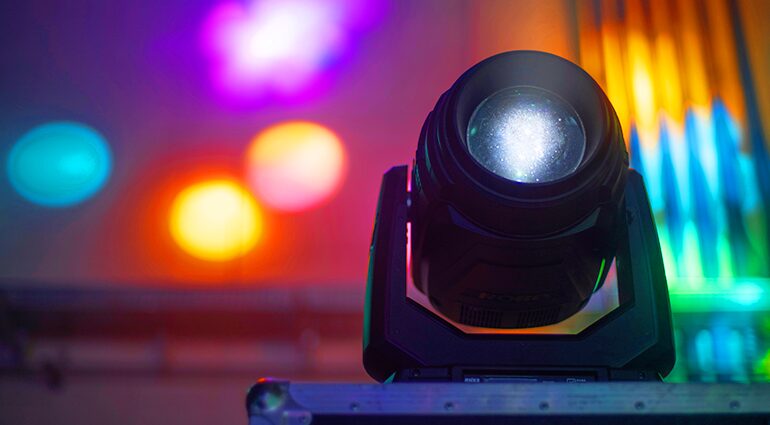
Another key factor to consider is how flexible the lighting setup is. Some spotlights are fixed, while others allow movement either manually or through motorized control. Moving lights provide more dynamic storytelling opportunities by following actors or shifting focus during scenes.
Flexibility also includes zoom control and beam shaping. These features allow you to adjust the size and intensity of the light based on stage requirements. For example, a narrow beam might be used for dramatic monologues, while a wider beam may suit group scenes.
The more flexible the equipment, the easier it becomes to adapt lighting during rehearsals and live shows.
7. Rental Cost and Technical Support
Budget is always an important consideration, especially for theatre groups working with limited funds. However, cost should not be the only deciding factor. Sometimes cheaper equipment may lack reliability or support, which can lead to problems during performances.
When renting, always ask what is included in the price. Some providers offer setup assistance, technical support, and emergency replacements, while others only provide the equipment itself.
Having access to technical support is extremely valuable, especially if something goes wrong during a show. A good rental provider will be available to assist quickly and ensure minimal disruption to your performance.
Helpful Tips for a Smooth Rental Experience
To make the most out of your rental, always plan ahead. Book your lighting equipment early to avoid last-minute shortages. Communicate your stage size, script requirements, and lighting design clearly to the provider.
It is also helpful to attend a lighting test session if possible. This gives you a chance to adjust settings and avoid surprises on show day. Keep backup plans in place in case of technical issues.
Most importantly, work closely with your lighting technician to ensure everything aligns with the director’s vision.
Common Mistakes to Avoid
Many theatre productions face lighting issues due to poor planning. One common mistake is choosing equipment without testing it first. Another is ignoring compatibility between different lighting systems.
Some teams also underestimate the importance of technical support, which can lead to delays during live performances. Avoid rushing the decision and always evaluate multiple options before finalizing your rental.
Frequently Asked Questions (FAQs)
1. Why is spotlight selection important in theatre productions?
Spotlights help focus attention on key moments and performers, enhancing storytelling and emotional impact on stage.
2. Can I use any spotlight with LED systems?
Not all spotlights are compatible. It is important to check technical specifications to ensure smooth integration.
3. How do I know if the lighting is bright enough?
You should test the equipment on a stage similar to your performance setup or consult with a lighting technician for guidance.
4. Is it better to rent or buy theatre lighting equipment?
Renting is often better for short-term productions as it reduces cost and provides access to advanced equipment without long-term investment.
5. What should I check before signing a rental agreement?
Always check equipment condition, support services, pricing details, and compatibility with your stage setup.
Final Words
Choosing the right lighting equipment can make a significant difference in the success of your theatre production. By carefully evaluating brightness, control systems, compatibility, and support services, you can ensure a smooth and professional performance experience. Always take time to test and plan before finalizing your rental decision.
A well-chosen spotlight not only enhances visibility but also brings emotional depth and visual impact to your play. And if you are sourcing reliable stage equipment, JJY Stage provides quality solutions and ships products to the USA, making professional lighting more accessible for productions of all sizes.
About the Author