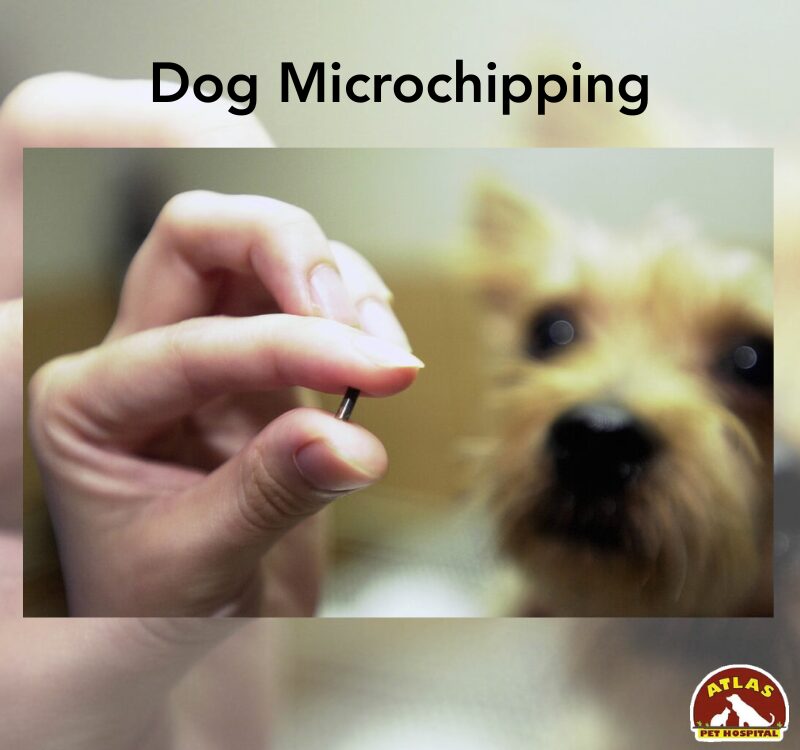
Every pet owner loves their pets. And it is very obvious that no dog owner wants their pet to get lost. However, it only takes a moment for a dog to run away. Your dog may find a way to escape even through an open gate. Hence, dog microchipping has become such an important part of pet care. It offers peace of mind to every pet owner. Just to know that it is the easiest way to keep them with you.
Some of you may think collars and tags are useful. Yes, they are. However, you can’t rely on them. Instead, you should use a microchip. It can always be with your dog. Along with that, it can keep them free.
What is Dog Microchipping?
Dog microchipping is a quick process in which a very small chip is put under the dog’s skin. The chip, about the size of a rice grain, has a unique ID number that tells people how to reach you.
If your dog is ever lost, a vet’s office or animal rescue can scan the chip to get in touch with you. The process is quick and safe. It feels like getting a regular shot.
Advantages of Dog Microchipping
Dog microchipping is a secure approach to keep your pet safe in addition to collars and tags. It makes sure that your dog is always identified, raises the odds of finding your dog if it gets lost, and makes things safer in general. It adds an added layer of long-term security as part of good pet care. Below are seven benefits that make microchipping a smart and essential choice.
1. It Stays With Your Dog for Life.
There is no risk of losing identification. Collars break. Tags fall off. And sometimes, they become unreadable over time.
A microchip doesn’t have these problems. It remains permanently once it’s placed. It becomes your dog’s permanent identification, no matter where they go. That’s what makes dog microchipping so reliable.
2. It Greatly Improves the Chances of Finding a Lost Dog.
Most shelters and veterinary facilities scan animals that come in. If your dog is microchipped, it will be much easier and faster to locate them. Make sure your contact info is up to date.
3. The Procedure Is Quick and Simple.
Many pet owners hesitate because they think microchipping is painful or complicated. But it takes only a few seconds. It doesn’t require surgery. And most dogs react no more than they would during a regular vaccination.
It’s one of the easiest ways to add a lifetime layer of protection for your pet.
4. It Fits Easily Into Routine Pet Wellness Exams.
Microchipping doesn’t require a special appointment. Pet owners can include it as part of their dog’s overall health plan, without extra hassle.
Preventive care visits are about staying ahead of problems. And microchipping fits naturally into that approach.
5. It Helps in Unexpected Situations.
You never know when an emergency will come, such as natural disaster, a travel accident, or a rapid change in the environment.
Pets can easily get lost from their families in these kinds of scenarios. A microchip is a good backup that helps rescuers or clinics find your dog and get you back together, even if you’re far from home.
6. It’s Safe and Long-Lasting.
Microchips don’t need batteries, charging, or new ones. They are also safe and work well with your dog’s body.
Veterinarians all across the world promote dog microchipping since it is quite safe and has very few complications.
7. It Gives Real Peace of Mind.
There’s something reassuring about knowing you’ve taken an extra step to protect your pet.
No one wants to imagine losing their dog. But if it does happen, microchipping ensures a reliable way to identify and recover them.
That peace of mind is often the biggest reason pet owners choose to microchip.
How Microchipping Fits Into Overall Pet Care
Microchipping is not a substitute for other types of care. It’s a piece of a larger puzzle.
Regular health checks for your dog help you keep an eye on their health, find problems early, and make sure their vaccines and other preventive care are up to date. These visits usually include:
Physical health checks
Dental evaluations
Parasite prevention
Nutritional guidance
Microchipping your dog as part of this practice can keep them safe from more than just health problems; it will also save them from becoming lost without an ID.
When Should a Dog Be Microchipped?
Microchipping can be done at almost any age. But many veterinarians recommend doing it early during puppy visits.
It’s also a good idea to microchip:
Newly adopted dogs.
Dogs without a reliable ID.
Pets that travel frequently.
The earlier it’s done, the sooner your dog is protected.
Common Misunderstandings About Dog Microchipping
“It can track my dog.”
Microchips are not GPS devices. They don’t track location. They simply store identification details that can be accessed when scanned.
“My dog stays indoors, so it’s not needed.”
Even indoor dogs can slip out unexpectedly. Microchipping adds a layer of protection in those rare but stressful situations.
“It replaces collars and tags.”
It doesn’t replace them. It complements them. The best approach is to use both.
Final Thoughts
Some pet owners may ignore dog microchipping so easily. They think it may not be a big deal. But it is. If your pet is microchipped, you can reunite with them when they are lost. The additional benefit is that it encourages good pet ownership. Also, it fits right in with normal pet care routines.
Are you looking for someone who can fix a microchip in your pet? Atlas Pet Hospital is the best option for dog microchipping. Their services are focused on preventive care. They help pets stay healthy. Your pet can also be safe and well-cared for at their place. Just be clear that their focus is on practical and attentive care. It can help both pets and their owners.
You might want to find out how to get a microchip for your dog at a regular appointment if you’re thinking about it. The simplest things can sometimes make you feel the best.
About the Author