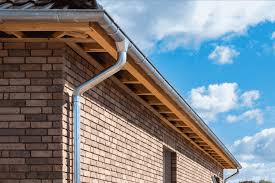
A properly functioning gutter system plays a vital role in protecting your home from water damage. While gutters collect rainwater from the roof, the downspout is responsible for directing that water safely away from your home’s foundation. If a downspout becomes clogged, damaged, or poorly maintained, it can cause water to overflow and lead to structural problems.
Regular maintenance is essential to keep your downspout working efficiently throughout the year. With a few simple steps, homeowners can prevent common drainage issues and ensure their gutter system continues to function properly.
Keep the Downspout Clear of Debris
One of the most common reasons a downspout stops working properly is debris buildup. Leaves, twigs, dirt, and other materials can enter the gutter system and eventually collect inside the downspout. When this happens, water cannot flow freely and may overflow from the gutters.
Regularly cleaning the gutter system helps prevent debris from reaching the downspout. If you notice water draining slowly during rainfall, it may indicate a clog. Flushing the downspout with a garden hose can help remove minor blockages and restore proper water flow.
Routine cleaning is especially important in the fall, when leaves are more likely to accumulate in gutters.
Check for Leaks and Loose Connections
Over time, parts of the gutter system may loosen due to weather conditions or natural wear and tear. Inspect your downspout to ensure all connections are secure and there are no visible cracks or leaks.
Loose joints can allow water to escape before it reaches the bottom of the system. This can lead to water pooling near your home’s foundation or to damage to nearby walls. Tightening brackets and sealing small gaps can help maintain a strong and reliable drainage system.
When homeowners use seamless gutters, there are fewer joints where leaks can occur, which helps improve the overall efficiency of the gutter system.
Ensure Proper Water Direction
A downspout should direct water several feet away from your home’s foundation. If water drains too close to the base of your house, it can lead to soil erosion and potential foundation damage.
Check the bottom section of your downspout to make sure it extends far enough away from the structure. Installing a downspout extension or splash block can help guide water to a safer drainage area. This simple adjustment can make a big difference in protecting your home from water-related issues.
Inspect for Physical Damage
Weather, strong winds, or accidental impacts can sometimes damage parts of the gutter system. A bent or crushed downspout can restrict water flow and prevent proper drainage.
During routine maintenance, look for signs of dents, rust, or misaligned sections. Addressing these issues early helps prevent further damage and ensures water continues to flow smoothly through the system.
Pairing your downspout with durable seamless gutters can also reduce the likelihood of structural problems, as these systems are designed to be stronger and more efficient.
Test the System After Heavy Rain
One of the easiest ways to evaluate the condition of your downspout is to observe it during or after heavy rainfall. Watch how water flows through the gutters and down the downspout.
If you notice water spilling over the edges of the gutter or draining slowly, it may indicate a blockage or structural issue. Identifying these problems early allows you to fix them before they cause serious damage.
Homes equipped with seamless gutters often experience smoother water flow because the system is designed with fewer seams and interruptions.
Schedule Seasonal Inspections
Seasonal inspections are an excellent way to keep your downspout and gutter system in good condition. Checking your system at least twice a year, typically in spring and fall, helps identify potential problems before they become major repairs.
These inspections allow homeowners to remove debris, check for damage, and ensure that water is draining properly away from the home. Consistent maintenance helps extend the lifespan of the entire gutter system.
Conclusion
A well-maintained downspout plays a key role in protecting your home from water damage by directing rainwater safely away from the foundation. Simple steps such as clearing debris, checking for leaks, inspecting for damage, and ensuring proper drainage can keep the system functioning efficiently year-round.When combined with reliable systems like seamless gutters, a properly maintained downspout helps improve water flow and reduces the risk of costly repairs. With regular care and attention, homeowners can ensure their gutter system continues to protect their property year-round.
About the Author