If your dog has been scratching more than usual, you might brush it off at first. Maybe it’s dry skin. Maybe it’s allergies. But sometimes, that constant itching is one of the first signs of fleas.
Fleas are tiny, fast, and incredibly good at hiding in your dog’s fur. By the time you actually see one, there may already be dozens more. That is the reason why it is important to detect it early, not just for the comfort of your dog but also for their overall health.
In this guide, we’ll walk through the early warning signs of fleas and why flea prevention for pets should be part of your dog’s routine care.
Why Early Detection Is So Important
Fleas don’t just cause itching. They can lead to:
Skin infections
Hair loss
Hot spots
Sensitivity to allergens (flea allergy dermatitis)
Tapeworm infections
In extreme cases and mainly in puppies, severe infections may lead to anemia.
The sooner you notice the symptoms, the more likely it is to cure the problem and prevent it from spreading to your home.
Early Warning Signs Your Dog May Have Fleas
Here are 5 signs to check for:
1. Over-scratching and Biting
Continuous scratching is the most prevalent initial symptom. Dogs with fleas often:
Scratch their ears and neck.
Chew or bite at the tail, either at the back or the base.
Rub their body against furniture or carpets.
If your dog suddenly seems restless or uncomfortable, it may be due to fleas.
2. Red or Irritated Skin
Examine the skin of your dog, in particular, around:
Base of the tail
Belly
Inner thighs
Neck
You may notice redness, small bumps, or inflamed patches. There are dogs allergic to flea saliva, which means even one or two flea bites can trigger severe itching and skin irritation.
3. Flea Dirt (Tiny Black Specks)
Another clear sign of fleas is something called ‘flea dirt.’ These appear as tiny black pepper flakes in the skin or bed of your dog.
To check:
Use a fine-tooth flea comb.
Brush through your dog’s fur, especially near the tail.
Place any black specks on a damp paper towel. If they turn reddish-brown, that’s digested blood – a big sign fleas are present.
4. Hair Loss or Bald Spots
If fleas go untreated, your dog might start losing its fur in some of the places where it scratches most. Bald patches often appear:
Near the tail
Along the back
On the sides
This is usually due to repeated scratching or chewing.
5. Restlessness or Behavioral Changes
Fleas don’t just cause physical discomfort; they can make your dog anxious and irritable. If your normally calm dog seems:
Agitated
Unable to settle
Constantly shifting positions
It may be worth checking their coat more closely.
Can You Always See Fleas?
Not necessarily.
Adult fleas are tiny and swift. In infestations occurring early, live fleas may not be seen at all. That is why it is extremely important to notice behavioral and skin changes.
If you suspect fleas but aren’t sure, a veterinary exam can quickly confirm it.
How Veterinarians Diagnose Fleas
At a clinic, diagnosis usually starts with a thorough physical examination. A veterinarian will:
Inspect the coat and skin.
Use a flea comb.
Look for flea dirt.
Check for signs of secondary skin infections.
If your dog has been scratching for a while, they may also test the presence of bacterial or yeast infections caused by irritated skin.
While fleas are diagnosed visually, vets might prescribe more extensive screening to dogs as part of routine heartworm, tick, and flea prevention for dogs, especially if your pet is not on regular preventive care. The heartworm disease can be diagnosed by blood tests since it cannot be observed when a dog is examined physically.
Why Treating Fleas Isn’t Enough
Many pet owners treat fleas only after they see them. But by then, fleas may already be in:
Carpets
Bedding
Upholstery
Your yard
Fleas lay eggs that fall off your dog and hatch in your home environment. This makes it difficult to fully eliminate them without consistent prevention.
That’s why flea prevention for pets is far more effective than reactive treatment. Prevention protects your dog before fleas have a chance to settle in.
What Flea Prevention Options Are Available?
There are several safe and effective options, including:
Monthly oral medications
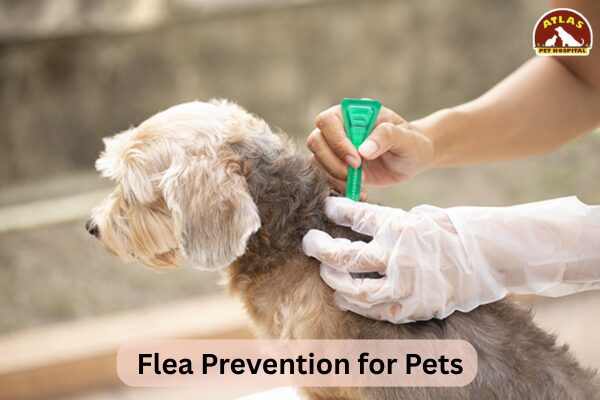
Topical spot-on treatments
Long-lasting flea collars
Combination products that cover fleas, ticks, and heartworms
Your veterinary doctor will assist you in selecting the appropriate product depending on the age and weight of your dog, health condition, and lifestyle.
Consistent flea prevention for pets keeps fleas away and also reduces the risk of allergic skin reactions and secondary infections.
Indoor Dogs Still Need Protection
It’s a common belief that indoor dogs don’t get fleas. Unfortunately, fleas can enter your home through:
Other pets
Clothing
Visitors
Yard exposure
Even dogs that spend most of their time indoors benefit from year-round flea prevention for pets. Prevention is especially important in warmer climates, where fleas can survive year-round.
When to Call the Vet
You should schedule a veterinary visit if:
Scratching lasts more than a few days.
You find flea dirt, but you do not see fleas.
Your dog develops open sores or hot spots.
Over-the-counter treatments aren’t working.
Early intervention will help to avoid discomfort developing into a more serious skin disease.
Prevention Is Always Easier Than Treatment
The price and the stress cost of managing a flea attack, as well as the cost of cleaning the home or potentially having skin infections, usually exceed the price of monthly prevention.
Routine flea prevention for pets protects not just your dog, but your entire household. It also fits into a broader preventive plan that includes vaccinations, wellness exams, and comprehensive heartworm, tick, and flea prevention for dogs.
Keeping parasites under control is one of the simplest ways to protect your pet’s long-term health.
Partnering With a Trusted Veterinary Team
If you suspect your dog has fleas or want to prevent future problems, working with a veterinary professional makes all the difference. The team at Atlas Pet Hospital provides thorough skin evaluations, parasite checks, and diagnostic testing for fleas, ticks, and heartworms. Their preventive care services include personalized treatment plans designed to keep your pet comfortable & safe year-round.
Whether your dog is already scratching or you simply want reliable flea prevention for pets, having the right guidance ensures you’re taking the safest and most effective approach. A proactive plan today can save your pet from discomfort tomorrow.
About the Author