Why Office Layout Directly Impacts Performance
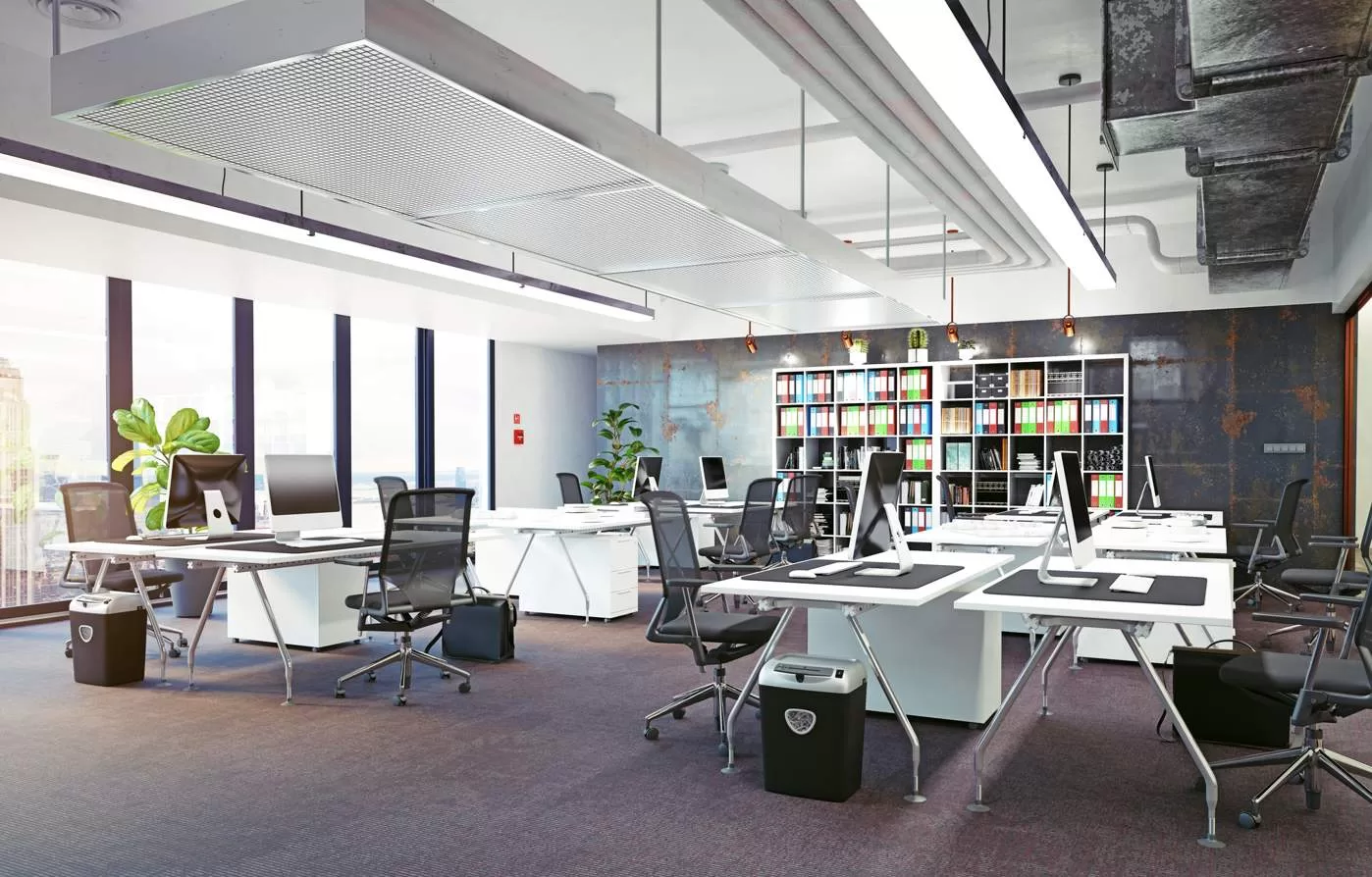
An office layout is not just about placing desks and meeting rooms; it directly shapes how people work, interact, and perform daily tasks. A well-planned layout reduces friction in workflows, supports collaboration, and creates an environment where employees can focus without unnecessary distractions. When spatial planning aligns with business goals, it becomes a silent driver of efficiency, engagement, and long-term growth.
Designing for Focus and Collaboration Together
Modern offices must support both teamwork and individual concentration. Spaces designed only for collaboration can feel noisy and overwhelming, while overly enclosed environments may restrict communication. Smart design integrates collaborative zones for discussions and brainstorming with quieter areas that allow uninterrupted work. This balance helps employees move seamlessly between tasks, improving both productivity and job satisfaction without compromising comfort.
Smart Zoning That Matches Work Patterns
An effective layout considers how different teams function throughout the day. Zoning the office into areas for focused work, informal collaboration, formal meetings, and breaks allows employees to choose spaces that suit their immediate needs. This approach reduces stress and boosts efficiency by acknowledging that work is not one-size-fits-all. Thoughtful zoning also prevents overcrowding in high-traffic areas, creating a smoother daily experience.
Workflow Efficiency Through Strategic Planning
The placement of teams, resources, and shared facilities plays a critical role in operational efficiency. When frequently collaborating departments are positioned closer together, communication improves naturally. Shared amenities such as meeting rooms and printing areas should be easily accessible without interrupting focused zones. Strategic planning minimizes unnecessary movement, saves time, and keeps energy levels consistent throughout the workday.
Prioritizing Comfort, Health, and Well-Being
Productivity is closely linked to physical and mental well-being. Access to natural light, proper ventilation, and ergonomic furniture can significantly improve concentration and reduce fatigue. Breakout areas and informal lounges encourage short mental resets, helping employees return to work refreshed. A comfortable office environment also strengthens retention by showing a clear commitment to employee wellness.
Flexibility as a Core Design Principle
Businesses evolve, and office layouts must adapt just as quickly. Flexible designs using modular furniture and adaptable spaces allow organizations to scale without major disruptions. This flexibility supports changing team sizes, hybrid work models, and evolving technology needs. Future-ready offices focus on adaptability, ensuring the workspace remains functional and relevant over time.
Strategic Location and Space Utilization
Location and layout work hand in hand when designing productive workplaces. A well-planned office space in hebbal demonstrates how large floor plates, efficient circulation, and thoughtful spatial planning can support diverse business needs. Such environments allow organizations to customize layouts that align with their workflows while benefiting from modern infrastructure and accessibility.
Building a Workspace That Supports Long-Term Success
An intelligently designed office layout is an investment in people and performance. By combining focused and collaborative spaces, optimizing workflows, prioritizing comfort, and planning for future flexibility, businesses can create environments that truly support productivity. Smart office design goes beyond aesthetics, delivering measurable benefits that enhance efficiency, culture, and overall organizational success.
About the Author