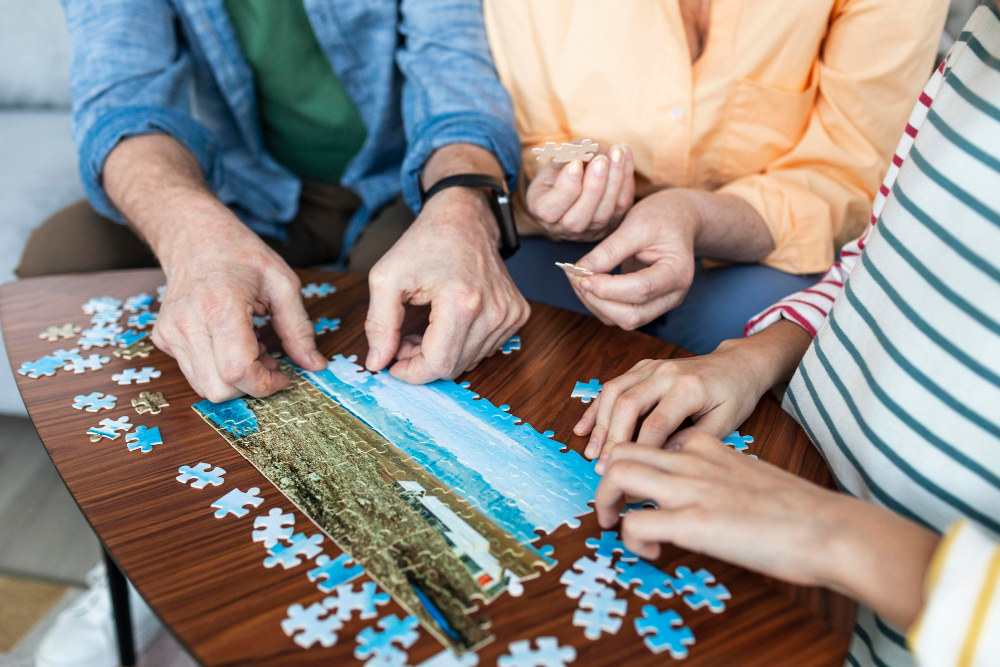
Adult schedules are rarely predictable. Free time often comes in short bursts between responsibilities, not in long, uninterrupted hours. That reality has reshaped how adults approach and appreciate puzzles. Instead of being weekend-only activities, puzzles are increasingly valued for how well they fit into everyday life.
A well-designed puzzle doesn’t demand perfect conditions. It welcomes you, whether you have fifteen minutes or an hour, offering a sense of focus and satisfaction that feels achievable. This flexibility is what allows puzzling to remain enjoyable rather than becoming something that’s constantly postponed.
Why modern puzzle design must respect limited time
Many adults are drawn to mentally engaging hobbies, but time is often the biggest barrier. When an activity requires long, uninterrupted sessions, it can quickly feel unrealistic. Puzzles that assume hours of focus may start with good intentions but end up half-finished, creating a sense of pressure rather than relaxation. Instead of being a source of enjoyment, they become another task waiting to be completed.
The best puzzles for adults are designed to help remove that tension. Thoughtful visual organization, balanced levels of challenge, and intuitive structure allow adults to make meaningful progress in shorter sessions. Even a brief period of puzzling can feel productive and satisfying. When a puzzle fits naturally into real-life schedules, it’s easier to return to it regularly. Rather than being set aside for “someday,” it becomes a dependable, enjoyable part of everyday downtime.
How natural stopping points improve the experience
A key hallmark of the best puzzles for adults is the ability to stop without frustration. Natural stopping points allow the brain to pause comfortably, with a clear sense that progress has been made and nothing feels left hanging. Instead of breaking concentration mid-thought, puzzlers can step away feeling satisfied with what they’ve completed.
These pauses matter because adults often puzzle between other obligations. When a section feels complete, stopping feels intentional rather than abrupt. That sense of closure enhances the experience and prevents mental fatigue. It also makes returning to the puzzle easier, helping adults re-engage with focus, confidence, and renewed motivation when time allows.
Design elements that support short, satisfying sessions
Certain design features make puzzles far more compatible with limited attention spans. These elements don’t simplify the experience. Instead, they make it more approachable and rewarding in shorter time frames.
- Distinct visual sections
Clearly defined areas allow puzzlers to focus on one portion at a time. Completing a section provides a quick sense of accomplishment without waiting for the entire puzzle to come together. - Consistent piece logic
When pieces follow predictable patterns, the brain spends less time guessing and more time reasoning. This makes short sessions feel productive rather than scattered. - Balanced visual complexity
Detailed imagery keeps the puzzle engaging, but balance prevents overwhelm. The eye can move naturally across the design without feeling lost or fatigued.
Together, these elements create an experience that feels thoughtful and complete, even when enjoyed in small increments.
Mental engagement without stress or burnout
Adults often turn to puzzles for mental stimulation, but not at the expense of their energy or focus. The most enjoyable puzzles challenge the mind while still feeling calming, intentional, and well-paced. When difficulty is layered thoughtfully, puzzling becomes a form of focused relaxation rather than a test of endurance.
Logical problem-solving, pattern recognition, and spatial awareness are gently activated, keeping the brain engaged without triggering frustration. A clear structure and balanced complexity make progress feel steady and rewarding. This thoughtful balance helps puzzles feel restorative, offering moments of clarity and calm. Adults can step away feeling mentally refreshed, satisfied with their progress, and ready to return when time allows.
Conclusion
Puzzling doesn’t need to be an all-or-nothing commitment. For many adults, the most meaningful experiences come from short, focused moments rather than long, uninterrupted sessions. When puzzling fits naturally into smaller pockets of time, it feels more accessible and enjoyable.
The most rewarding puzzles for adults are designed with real lives in mind. They respect limited attention spans, offer natural stopping points, and deliver satisfying progress in brief windows of time. When puzzles align with how adults actually live, they become a dependable source of focus, creativity, and calm, even on the busiest days, helping restore balance and mental clarity.
About the Author