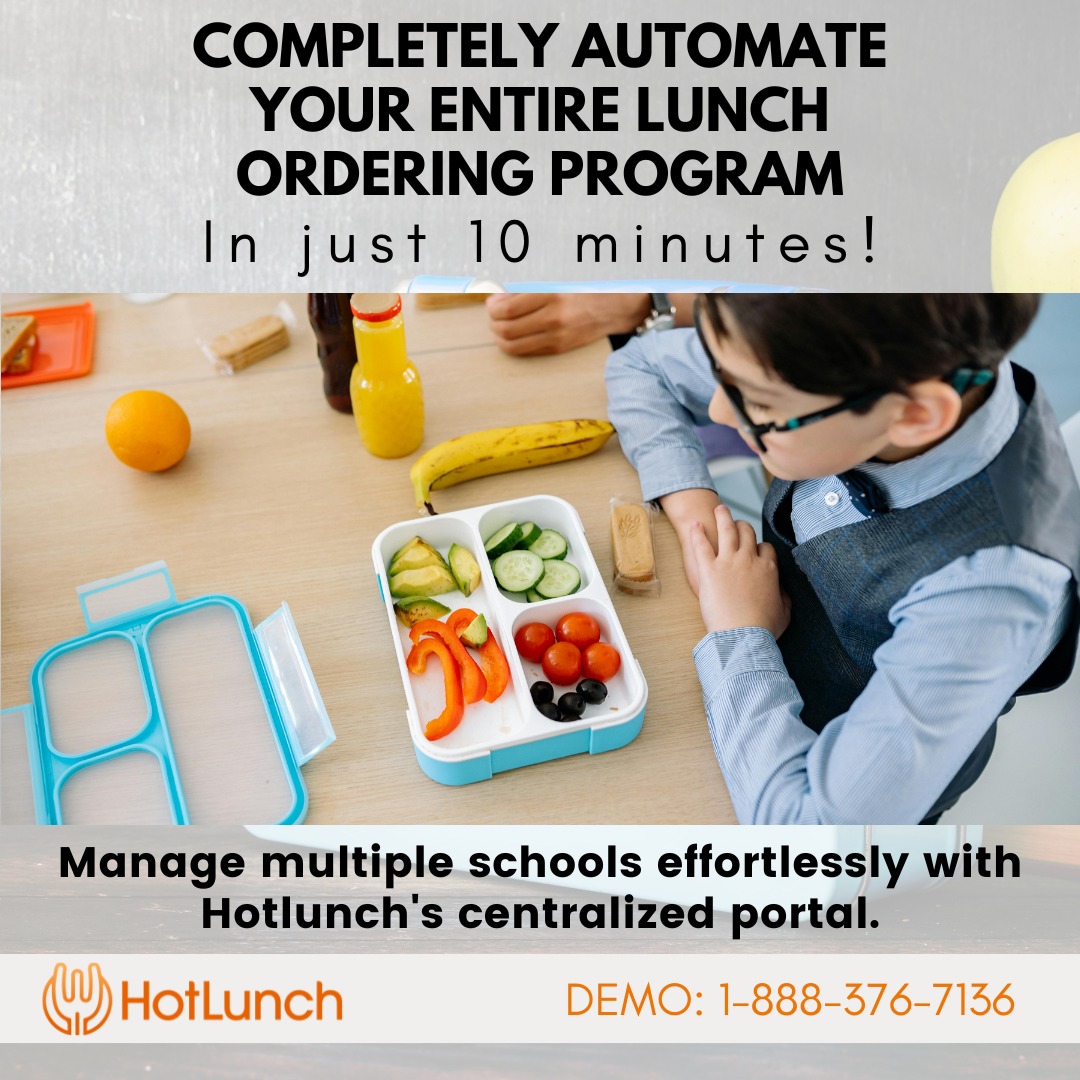
School lunch programs play a much bigger role in a child’s development than many people realize. Beyond simply feeding students, a well-designed School Lunch Choice system supports academic performance, encourages healthy habits, and teaches real-world decision-making skills. As schools across the world modernize their food programs, the concept of offering students multiple meal options has become increasingly popular. This shift acknowledges that every child is unique, with different tastes, dietary needs, cultural backgrounds, and nutritional requirements. By giving students control over what they eat, schools can improve participation, reduce food waste, and foster a more positive dining experience.
Why School Lunch Choice Matters
Traditionally, many schools served one or two standard meals each day, leaving little flexibility for students who had allergies, personal preferences, or cultural dietary restrictions. As childhood nutrition and wellness became urgent priorities, educators began recognizing the impact of limited options.
When students have access to well-balanced meal choices, several benefits emerge:
1. Improved Nutrition and Health
Offering multiple meal choices encourages children to explore a variety of foods. Students are more likely to pick nutritious items when they can choose from appealing alternatives like salads, fresh fruits, whole grains, lean proteins, and healthier snacks.
A diverse menu also supports children with specific health needs, such as those requiring gluten-free, dairy-free, vegetarian, or low-sugar options. Instead of feeling excluded, they can confidently select meals that align with their dietary needs.
2. Increased Student Engagement
Food is an emotional and cultural experience. When students see meals that reflect their tastes or backgrounds, they feel more connected to their school environment. Providing choices allows kids to feel heard and respected, leading to greater engagement and satisfaction.
Moreover, by involving students in menu planning or food surveys, schools can enhance the sense of ownership students feel toward their dining experience.
3. Reduced Food Waste
Waste is a major issue in school cafeterias. Children often discard meals they do not like, contributing to both environmental and financial loss. A School Lunch Choice program helps solve this problem because students are more likely to eat the meal they selected themselves.
Schools that implement self-selection systems and diverse menus consistently report lower levels of leftovers and wasted food.
4. Better Academic Performance
Nutrition directly impacts concentration, memory, and overall cognitive performance. When students enjoy what they eat and receive proper nutrients, they are better equipped to stay focused throughout the school day. Offering choices helps ensure students consume meals that fuel their academic success.
Types of School Lunch Choice Models
Every school differs in size, budget, and dining setup, but several common models help bring variety and flexibility to lunch programs.
1. Menu Variety Choice
This is the most common option, where students can pick from several pre-prepared meals each day—such as a hot entrée, a vegetarian option, and a lighter meal like salads or wraps.
2. A La Carte Selection
Students select individual items from a variety of fruits, vegetables, sides, drinks, and snacks. This system teaches portion control and gives students a sense of responsibility in designing their own meals.
3. Pre-Order Systems
Digital lunch ordering platforms allow students or parents to choose meals in advance. This ensures accurate portions and reduces waiting time in lunch lines. Pre-order systems help schools manage inventory and deliver the exact meals students want.
4. Rotating Cultural Menus
Schools introduce global flavours to represent different cultures and ethnic foods. This supports inclusivity, broadens student palates, and introduces children to diverse cuisines.
The Role of Technology in School Lunch Choice
Modern lunch programs are increasingly supported by technology. Online ordering systems and mobile apps help streamline meal planning and selection. With customizable dashboards, parents can manage dietary preferences, track nutrition, and monitor spending.
Technology also improves the cafeteria experience by:
Reducing manual paperwork
Speeding up lunch lines
Minimizing cash handling
Ensuring accurate meal counts
Supporting allergy and dietary alerts
These digital tools make the lunch process smoother for schools and more convenient for families.
Encouraging Healthy Choices in Students
While offering choices is essential, guiding students toward healthier options is equally important. Schools are successfully promoting nutritious meal choices through:
1. Visual Presentation
Colorful displays, clear labels, and attractive serving trays encourage students to choose wholesome foods.
2. Nutrition Education
Brief lessons, posters, and interactive boards help students understand the importance of healthy eating.
3. Peer Influence
Kids are more likely to try new items when their classmates are eating them. Group tastings and food challenges can make healthy eating fun.
4. Involving Families
Parents play a crucial role in reinforcing good habits. Sharing weekly menus and nutrition details helps families make better meal decisions together.
How Schools Benefit from Offering Choice
Schools gain several operational and financial advantages from implementing a strong lunch choice system.
Better Budget Planning
Knowing exactly which meals students prefer helps schools avoid overproduction and reduce supply costs.
Higher Participation Rates
When lunch choices improve, more students opt for school meals instead of bringing food from home or skipping lunch entirely. This increases revenue and enhances program sustainability.
Enhanced Reputation
Schools that prioritize nutrition and student choice are viewed positively by families and communities. Parents appreciate institutions that prioritize health, well-being, and inclusivity.
Building a Positive Relationship with Food
One of the most valuable aspects of School Lunch Choice is helping children develop a balanced, healthy relationship with food from a young age. When students learn to make thoughtful choices, understand portion sizes, and explore new flavors, they build essential life skills.
Choice fosters independence. It allows kids to express their preferences, take responsibility, and develop confidence in their decision-making. These habits often continue into adulthood, contributing to healthier lifestyles long-term.
Conclusion
The concept of School Lunch Choice goes far beyond offering a few extra menu items. It represents a meaningful shift toward empowering students, improving nutrition, and strengthening school communities. By allowing children to choose meals that suit their tastes and needs, schools create a more inclusive, enjoyable, and successful dining experience.
As more institutions adopt modern lunch systems and digital ordering tools, students gain greater access to nutritious meals and positive food experiences. Ultimately, school lunch choice is not just an option—it is a forward-thinking approach that supports healthier children, better education outcomes, and stronger school environments.
About the Author