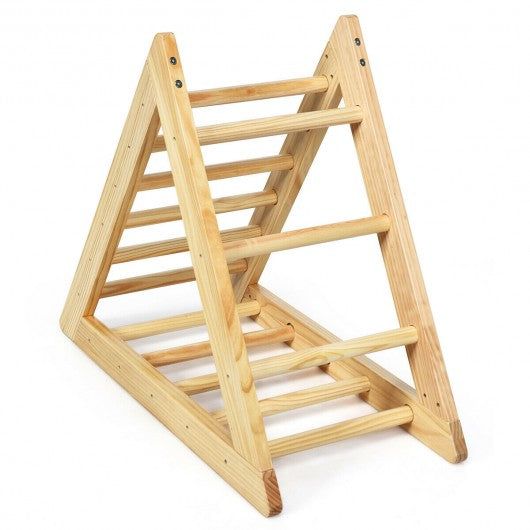
A Wooden Climbing Structure can transform any backyard into a hub of activity, creativity, and fun. Beyond being a piece of playground equipment, it can become the focal point for imaginative adventures, physical challenges, and social interaction. By thoughtfully designing the play area, incorporating creative activities, and fostering safe, engaging play, you can make a climbing structure the centerpiece of your child’s outdoor world.
Understanding the Value of a Climbing Structure
Physical and Cognitive Benefits
A wooden climbing structure isn’t just about fun—it’s a tool for growth. Climbing, balancing, and swinging develop strength, coordination, and fine motor skills. At the same time, children engage their minds, problem-solving as they figure out routes, overcome obstacles, and create imaginative scenarios.
Encouraging Confidence and Independence
Mastering different elements of a climbing structure builds self-confidence. Children learn to assess challenges, take risks safely, and celebrate small victories. This confidence extends beyond the playground, nurturing independence and resilience.
Promoting Social Interaction
Climbing structures naturally attract groups of children. Whether sharing swings, taking turns on slides, or collaborating in imaginative games, children develop communication, cooperation, and empathy—skills essential for healthy social development.
Choosing the Right Wooden Climbing Structure
Age-Appropriate Design
Selecting a structure suitable for your child’s age and abilities ensures safety and engagement. Younger children benefit from lower platforms, gentle slides, and simple climbing features. Older children enjoy elevated platforms, rope ladders, and cargo nets for more challenging play.
Safety Features to Prioritize
Safety is essential when creating a central play area. Look for:
Rounded edges and smooth surfaces to prevent splinters
Guardrails and handrails on elevated platforms
Non-toxic finishes safe for children
Anti-slip climbing surfaces
Installing the structure on a soft surface like mulch, sand, or rubber mats reduces the risk of injury and encourages confident play.
Placement and Space Planning
A well-placed climbing structure can dominate the backyard in a positive way. Ensure enough clearance around the structure for safe movement and supervised play. Avoid obstacles such as trees, fences, and wires, and choose a visible spot that allows caregivers to monitor activity easily.
Making the Structure Inviting
Visual Appeal
Brightly colored accents, flags, or themed decorations can draw children’s attention. Incorporating natural elements like wooden tones and greenery blends the structure with the yard while maintaining visual interest.
Accessibility and Ease of Use
Ensure the structure is easy to access. Include clear paths, steps, or ramps where necessary. Making it easy to reach encourages frequent use and ensures that children of all abilities can join in the fun.
Adding Multi-Functional Elements
Slides, swings, rope bridges, climbing walls, and tunnels create multiple activity zones. This diversity keeps children engaged and encourages them to explore different physical and imaginative challenges.
Encouraging Creative Play
Imaginative Role-Playing
Encourage children to create stories around the structure. Platforms can become castles, forts, or spaceships. Rope ladders can act as jungle vines or pirate ship rigging. Role-playing develops creativity, narrative skills, and teamwork.
Themed Games and Adventures
Introduce games that use the structure as a central setting:
Treasure hunts with clues hidden around the platforms
Obstacle courses using ladders, bridges, and slides
Nature exploration challenges incorporating leaves, sticks, or small props
These activities keep the structure exciting and engaging, making it the center of ongoing adventures.
Art and Learning Activities
Integrate educational play by adding chalkboards, drawing panels, or activity boards. Children can illustrate maps, solve puzzles, or practice writing while interacting with the structure, combining movement with cognitive development.
Promoting Physical Challenges
Balance and Coordination Activities
Incorporate exercises that challenge balance, such as walking across narrow beams or moving across rope bridges. These activities strengthen core muscles, improve stability, and develop coordination.
Strength-Building Challenges
Encourage children to climb ladders, pull themselves up ropes, or swing from bars. These activities build upper body, leg, and core strength while keeping play engaging and dynamic.
Timed Challenges and Competitions
Introduce friendly challenges, such as timed climbs or obstacle courses. Children can compete individually or in teams, promoting fitness, focus, and cooperative play.
Fostering Social Interaction
Cooperative Games
Use the climbing structure as a base for games that require teamwork. Children can work together to solve puzzles, complete missions, or move objects across platforms. Cooperative play fosters communication, collaboration, and empathy.
Group Storytelling
Encourage children to create stories together while using the structure. Each child can add a plot twist or action as they move through different areas. This promotes imagination, social skills, and cognitive development.
Hosting Outdoor Gatherings
A wooden climbing structure can become a focal point for outdoor playdates, family gatherings, or community activities. Its presence encourages shared play and interaction, making it a social hub.
Seasonal and Themed Adaptations
Summer Fun
Use fabric sails, cardboard props, or chalk to create pirate ships, jungle forts, or adventure landscapes. Summer allows extended outdoor playtime and encourages creativity in warm weather.
Winter Adventures
Even in colder months, the climbing structure can remain central to play. Set up imaginative “mountain climbing” or “arctic expedition” games. Adding safe mats or cushions ensures comfort and safety.
Holiday-Themed Activities
Decorate the structure for holidays to inspire themed games and activities. Halloween haunted forts, Easter treasure hunts, or birthday adventure challenges keep the structure fresh and exciting.
Maintenance and Safety
Regular Inspections
Check for loose bolts, splintered wood, or worn ropes regularly. Ensuring the structure is secure maintains safety and reliability.
Cleaning and Upkeep
Remove dirt, mold, or mildew to keep the structure hygienic. Reapply non-toxic sealants annually to protect wood and maintain durability.
Supervised Play
Even with age-appropriate and safe designs, supervision is important, especially for younger children. Guidance ensures children play safely while exploring challenges and enjoying creative adventures.
Tips for Maximizing Engagement
Rotate Challenges
Introduce new activities periodically, such as obstacle courses, new role-play scenarios, or different games. Rotating challenges keeps the climbing structure exciting and encourages repeated play.
Encourage Friendships and Team Play
Invite friends or siblings to play together, fostering social interaction and cooperative problem-solving. Shared adventures increase the structure’s appeal and keep children engaged longer.
Combine Learning with Play
Integrate elements like counting games, storytelling prompts, or simple science experiments. This makes the climbing structure a center for both fun and learning, enhancing its value in daily play.
Conclusion
Making a Wooden Climbing Structure the center of play requires more than installing it in the yard—it involves thoughtful design, creative activities, and encouragement of social and physical engagement. By integrating imaginative games, physical challenges, cooperative play, and seasonal adaptations, a climbing structure becomes the focal point of adventure, creativity, and learning. With proper maintenance and supervision, it transforms any backyard into a vibrant playground where children can explore, grow, and thrive. Investing in a wooden climbing structure is investing in countless hours of fun, active play, and memorable experiences.
About the Author