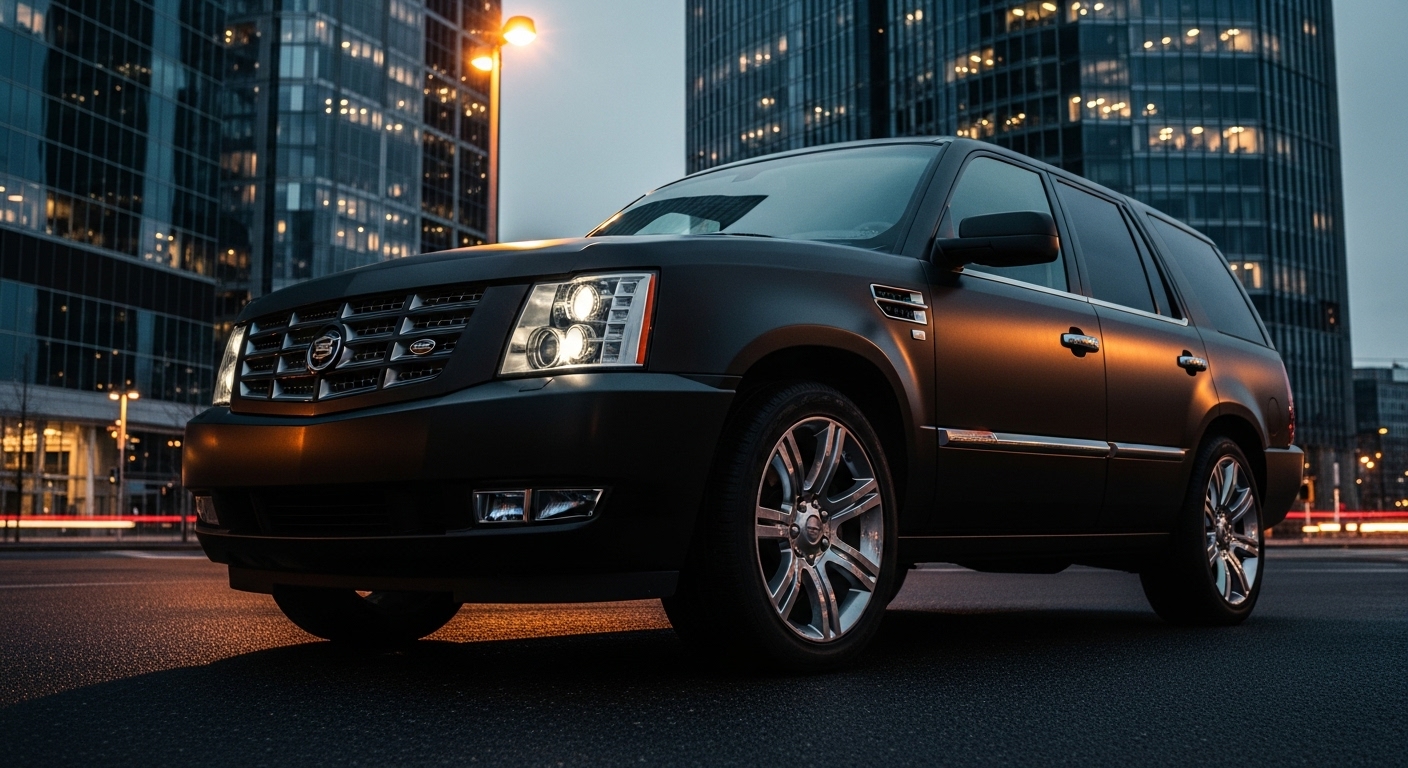
Vinyl wraps have become an increasingly popular option for car owners who want to protect their vehicle’s paint, change its appearance, or create custom branding for personal or business use. A vinyl wrap is a high-quality adhesive film that covers part or all of a car’s exterior, allowing owners to achieve a wide range of finishes without permanent paint changes. Understanding the types, costs, and maintenance requirements of vinyl wraps helps car owners make informed decisions.
What Is a Vinyl Car Wrap?
A vinyl car wrap is a thin, flexible film applied to the exterior of a vehicle. Unlike paint, wraps are reversible, preserving the original finish underneath. They are available in adhesive and pressure-sensitive options, making them suitable for temporary or long-term applications.
Benefits of a vinyl wrap include:
Paint Protection: Shields the car from scratches, UV rays, and minor abrasions.
Aesthetic Transformation: Enables finishes like gloss, matte, satin, or metallic without repainting.
Advertising and Branding: Ideal for business fleets, promotional vehicles, and custom graphics.
Cost-Effective: Often more affordable than a high-quality paint job, especially for complex designs.
Vinyl wraps are commonly used on sedans, SUVs, trucks, and vans, providing flexibility for personal customization or commercial use.
Types of Vinyl Car Wraps
Standard Vinyl Wraps
Standard vinyl wraps offer a wide selection of colors and basic finishes. They are ideal for simple color changes or protective purposes. Leading brands like 3M, Avery Dennison, and Oracal offer durable, long-lasting vinyl films that can last 5–7 years with proper maintenance.
Specialty Finishes: Matte, Gloss, Satin, Carbon Fiber
Specialty vinyl finishes add unique textures and visual appeal:
Matte: Smooth, non-reflective, modern look
Gloss: Shiny, reflective finish similar to paint
Satin: Subtle sheen between matte and gloss
Carbon Fiber: Textured film for accents or sporty designs
These finishes often cost more due to material quality and complex installation techniques.
Custom Printed or Digital Wraps
Custom graphics and digitally printed wraps allow full personalization. Logos, patterns, and murals can cover the entire vehicle. The final price depends on design complexity, ink quality, protective laminate, and UV coating. Businesses often use this type of wrap to brand fleets, while car enthusiasts use it for eye-catching designs.
Factors That Affect Vinyl Wrap Costs
Several factors determine the total cost of a vinyl wrap:
Vehicle Size and Complexity: Larger vehicles like SUVs and vans require more material and labor. Curved surfaces and contours increase installation difficulty.
Material Quality and Finish: Premium films and specialty finishes cost more than standard vinyl.
Labor and Expertise: Professional installers with certifications charge higher rates but deliver superior results.
Design Complexity: Multi-color, patterned, or custom graphics increase labor time and cost.
Regional Variations: Wrap prices vary by city or region, reflecting demand and labor rates.
Understanding these factors helps you budget realistically and choose the right option for your vehicle.
Average Costs for Car Vinyl Wraps
Pricing generally falls into three tiers:
Economy Wraps ($1,500–$3,000): Standard colors, basic protection, minimal graphics.
Mid-Range Wraps ($3,000–$5,500): Specialty finishes like matte or satin, partial graphics, higher-quality vinyl.
Premium Custom Wraps ($5,500–$10,000+): Full custom graphics, digital prints, high-end materials, or textured finishes like carbon fiber.
These ranges fluctuate depending on vehicle type, design, and installer expertise.
DIY vs Professional Installation
DIY vinyl wrap installation can save money but comes with challenges:
Pros: Lower upfront cost, flexible schedule, personal satisfaction.
Cons: Requires skill, precision tools, and patience. Mistakes like bubbles or wrinkles can compromise the finish.
Professional installation provides consistent quality, longevity, and warranty coverage. Certified installers use heat guns and squeegees to ensure smooth application, especially around curves and corners.
Maintenance and Longevity
Maintaining a vinyl-wrapped car ensures it remains vibrant and undamaged:
Cleaning: Use gentle soap and water, avoid abrasive tools and chemicals.
UV Protection: Limit prolonged sun exposure to prevent fading.
Minor Damage: Scratches or peeling may require small sections to be replaced.
With proper care, a vinyl wrap can last 5–7 years, preserving your vehicle’s appearance and original paint.
Real-World Examples and Case Studies
Compact Sedan Wrap: Gloss vinyl color change cost around $2,500, completed in three days.
Luxury SUV Wrap: Matte black finish applied for $4,800, including minor paint prep.
Commercial Fleet Branding: Digitally printed wraps on delivery vans cost $6,500 per van, including professional installation and protective laminate.
These examples demonstrate how vehicle size, material, and design complexity influence pricing.
FAQs
How much does a vinyl car wrap cost?
$1,500–$10,000+, depending on size, material, and design complexity.How long does a vinyl wrap last?
Typically 5–7 years with proper maintenance.Can vinyl wraps damage my paint?
Properly installed wraps protect paint; damage occurs only with low-quality vinyl or poor installation.Is a vinyl wrap better than painting a car?
Wraps are reversible, protect paint, and allow custom designs at a lower cost than paint.Can I wrap my car myself?
DIY is possible but professional installation ensures smooth results and durability.Do vinyl wraps increase resale value?
They protect the original paint but rarely add direct monetary value.How long does installation take?
Professional full wraps usually take 2–5 days, depending on vehicle size and complexity.
About the Author
