Film covering is an essential solution for protecting surfaces, packaging products, and ensuring materials remain pristine during transport, construction, or manufacturing. From delicate electronics to automotive paint, temporary or permanent film coverings help prevent scratches, dust accumulation, and contamination. With the right choice of film material and proper application techniques, businesses and consumers can significantly reduce damage, improve aesthetics, and maintain product integrity. Understanding the types, applications, and benefits of film covering helps you select the most effective solution for your needs.
What Is Film Covering?
Film covering refers to thin sheets or layers of material applied to a surface to protect, preserve, or package an object. These films can be adhesive or non-adhesive, temporary or permanent, and made from various plastics like polyethylene, polypropylene, PVC, or PET. Their primary purpose is to act as a barrier against scratches, dust, moisture, UV light, and chemical exposure.
In industrial contexts, film coverings safeguard products during manufacturing, assembly, and shipping. For consumer applications, such as electronics or furniture, films protect surfaces from daily wear and tear. Protective films also enhance safety by preventing accidental contact with sharp edges or fragile components.
Types of Film Coverings
Different film coverings are engineered to serve specific purposes. Choosing the right type ensures optimal protection and usability.
Protective Film Covering
Protective films are commonly used to shield delicate surfaces during manufacturing, transport, or installation. These films prevent scratches, abrasions, and contamination. They are popular for automotive paint protection, glass panels, stainless steel appliances, and electronic screens. Protective films can be transparent or colored for visibility during installation.
Adhesive and Peelable Films
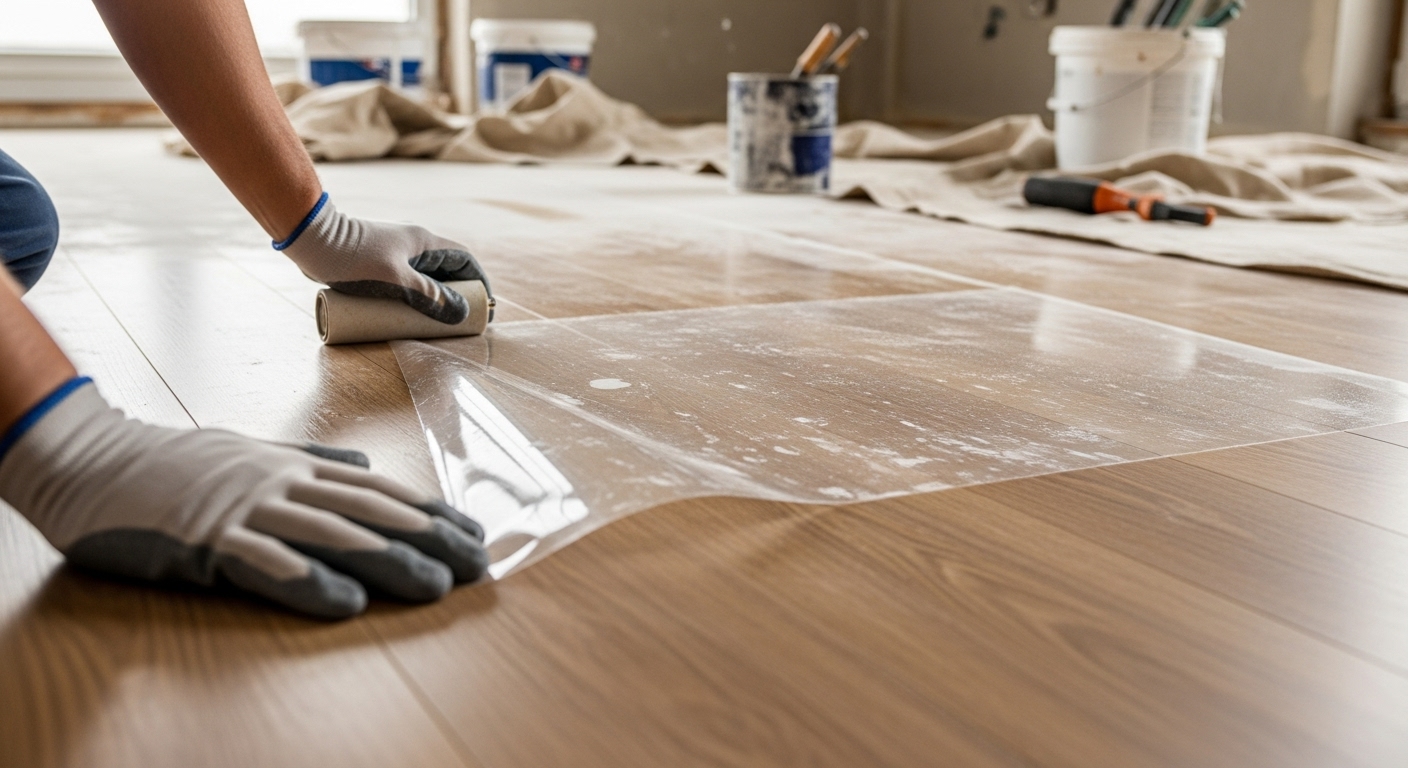
Adhesive or peelable films stick to surfaces temporarily, offering short-term protection. Pressure-sensitive adhesives allow films to cling without leaving residue. These films are widely used in construction to protect flooring, countertops, or windows from paint, dust, and debris during renovations.
Laminated and Specialty Films
Laminated or specialty films combine multiple layers for enhanced durability, UV resistance, or moisture barrier properties. They are used in high-stress environments, such as industrial machinery, packaging perishable goods, or electronics that require anti-static or scratch-resistant surfaces. Some films also include decorative finishes for aesthetic enhancement.
Industrial and Commercial Applications
Film coverings play a critical role across various industries:
Automotive Industry: Films protect car paint during assembly, shipping, and detailing. They prevent micro-scratches and minor abrasions on new vehicles.
Electronics and Gadgets: Manufacturers use film coverings for screens, casings, and internal components. Protective films reduce the risk of damage during shipping and handling.
Construction and Windows: Temporary film coverings protect glass panels, flooring, and countertops from dust, paint, and other construction debris.
Packaging and Shipping: Films are used to secure and protect goods, maintain hygiene, and improve transport efficiency. Stretch films, shrink wraps, and adhesive covers prevent damage and contamination during transit.
Benefits of Film Coverings
Film coverings provide multiple advantages for both industrial and consumer use:
Scratch and Dust Protection: Keeps surfaces free from damage and contamination.
Temporary Surface Safeguarding: Allows safe handling, assembly, or transport.
Cost-Effectiveness: Reduces product loss, replacement costs, and maintenance.
Ease of Application and Removal: Many films are peelable and require minimal tools for installation.
By choosing the appropriate film type, businesses and consumers can preserve appearance, improve product longevity, and reduce operational risks.
How Film Coverings Are Applied
Proper application ensures maximum protection and performance:
Surface Preparation: Clean surfaces thoroughly to remove dust, grease, or moisture. Imperfections can reduce adhesion or create air pockets.
Tools and Techniques: Use squeegees, rollers, or heat guns for smooth, bubble-free application. Adhesive films may require precise alignment to avoid misplacement.
Best Practices: Apply films under controlled temperature and humidity to optimize adhesion. Trim excess edges carefully, and avoid stretching the material excessively, which may cause tearing or premature detachment.
Industries often automate film application for large-scale surfaces, ensuring consistency and reducing labor costs. Hand application remains common for smaller objects, custom designs, or delicate surfaces.
Safety and Environmental Considerations
While film coverings protect surfaces, safe handling and disposal are essential:
Use PPE such as gloves to avoid contact with adhesive residues or chemical treatments.
Dispose of or recycle films according to local environmental regulations. Many films are now biodegradable or recyclable, reducing environmental impact.
Check for regulatory compliance, especially in industries like food packaging, pharmaceuticals, and electronics, to ensure the film is safe for its intended use.
Real-World Examples and Case Studies
Automotive Paint Protection: A manufacturer applies protective films on car hoods, doors, and bumpers during transport, preventing scratches and minor dents.
Electronics Shipping: Smartphones and tablets are shipped with peelable protective films on screens and casings to maintain pristine condition.
Construction Material Safeguarding: Laminated floor panels receive temporary adhesive films to shield them from paint, dirt, and moisture during installation, ensuring the final finish remains flawless.
FAQs
1. What is the purpose of film covering?
To protect surfaces, prevent contamination, and maintain product integrity during manufacturing, transport, or installation.
2. Are all film coverings adhesive?
No. Some films are non-adhesive and act as removable protective sheets, while others use pressure-sensitive adhesives for temporary protection.
3. Can film coverings be reused?
Certain films, especially non-adhesive or laminated types, can be removed and reused if handled carefully.
4. What industries use film coverings most?
Automotive, electronics, construction, packaging, and manufacturing industries rely heavily on film coverings.
5. How do I apply film covering without bubbles?
Clean the surface thoroughly, use squeegees or rollers, and apply under recommended temperature and humidity conditions.
6. Are film coverings environmentally friendly?
Many modern films are recyclable or biodegradable. Choosing sustainable materials reduces environmental impact.
7. Can film coverings protect against UV or moisture?
Yes. Specialty films include UV filters, moisture barriers, and scratch-resistant coatings for long-term protection.
About the Author