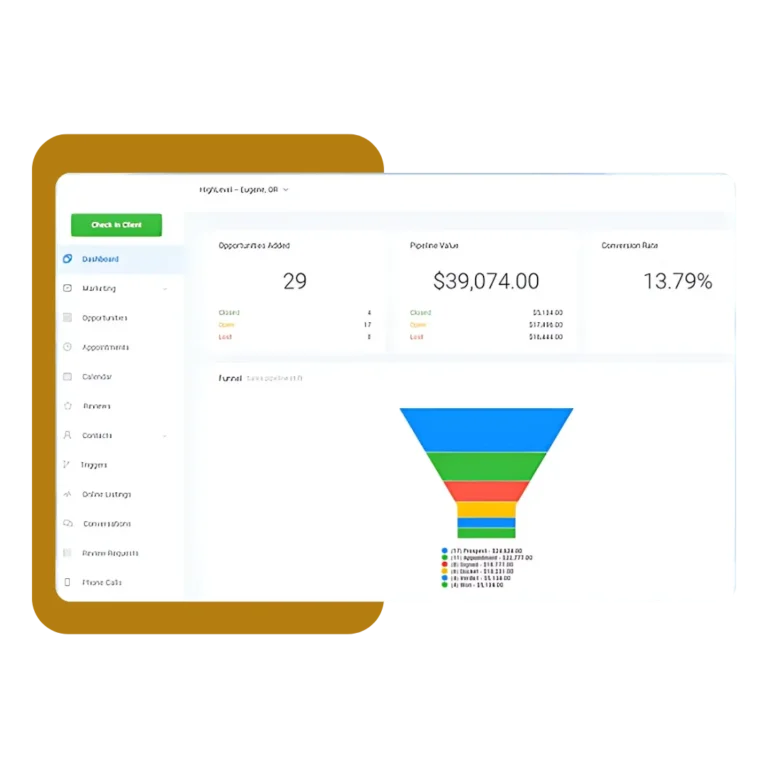
“Wait, why are our analytics showing thousands of new visitors but no conversions?”
That’s the moment most businesses realize something’s off.
The traffic looks great on paper. The graphs are up.
But the revenue? Flat.
Then your security team digs deeper and finds out half that traffic wasn’t real people. It was bots.
And not the helpful kind that indexes your website. We’re talking about malicious bots, the silent drain on your network, your performance, and your security budget.
The Hidden Cost of Ignoring Bot Traffic
Many businesses see bot traffic as just noise.
But what they don’t realize is that bots are quietly consuming your resources and confusing your defenses.
When you ignore bot activity, you’re essentially paying to host and defend against fake users. Every login attempt, every click, every page view by a bot costs you bandwidth, server space, and time.
Computer security companies have seen this pattern across industries:
E-commerce stores get hit by price-scraping bots that steal competitive data.
Financial institutions face credential-stuffing attacks where bots test thousands of stolen passwords.
SaaS platforms suffer from API abuse that slows down legitimate access.
In short, bots don’t just waste your money, they weaken your entire network protection framework.
How Bots Manipulate Security Systems
Bots today aren’t simple scripts. They evolve.
Attackers use them to probe your defenses, detect weak points, and adapt in real time.
Here’s how they slip past outdated defenses:
They rotate IPs to bypass rate-limiting filters.
They simulate mouse movements and browser behavior to look human.
They attack APIs directly, avoiding traditional firewalls.
Even advanced firewalls can struggle because these bots don’t break in, they just pretend to be normal traffic.
That’s why computer security companies have started building layered bot mitigation systems using behavioral analysis and threat intelligence feeds.
These systems learn your site’s real user behavior and instantly detect when something doesn’t match.
Why Traditional Firewalls Aren’t Enough
You can’t stop bots with a standard firewall or antivirus tool. Those were designed to block malware, not mimicry.
Bots don’t infect, they imitate.
They blend in with legitimate users, making traditional network security tools almost blind.
That’s why the new generation of web security solutions combines:
Machine learning-based behavioral detection to spot bot-like actions
Real-time IP reputation tracking to identify known bot networks
CAPTCHA-free verification that screens users invisibly
API traffic monitoring to stop automated abuse at the source
The goal isn’t just to block, it’s to differentiate between human and machine activity, without hurting user experience.
How Bot Traffic Wastes Your Security Budget
You might not see bots as a direct cost, but their impact shows up in your bottom line:
Higher bandwidth usage: Your hosting provider bills you for fake traffic.
Increased security alerts: Analysts spend hours reviewing false positives.
Ad waste: Bots click your ads and inflate campaign costs.
Slower response times: Systems bog down, affecting real users.
Every dollar you spend fighting fake alerts is a dollar not spent on real threat prevention.
That’s why computer security companies emphasize continuous automated traffic detection because once you measure how much of your traffic is fake, you can finally control your costs.
What Real-Time Bot Detection Looks Like
Here’s how top-tier bot mitigation solutions work today:
Continuous Monitoring: All incoming traffic is analyzed in real time for velocity, device fingerprinting, and intent.
AI-Based Risk Scoring: Each session is assigned a risk score. Bots trigger patterns that humans never do.
Dynamic Response: Instead of blocking everything, the system challenges suspicious users or slows them down.
Threat Intelligence Integration: Global data feeds help detect emerging bot networks before they strike again.
These layers work together to ensure that even if a bot gets smarter, your defenses get smarter faster.
Human vs. Bot: Why Detection Matters
Think about your analytics dashboard.
If 40% of your “users” are bots, you’re making marketing and security decisions on fake data.
Imagine launching a campaign, seeing thousands of “visits,” and celebrating only to realize no humans actually saw your ad.
This is why computer security companies don’t just focus on stopping attacks, they focus on preserving data integrity.
Accurate visibility means better planning, smarter investments, and more effective network protection overall.
How to Start Reducing Bot Impact
Here’s what your IT or security team can do today:
Audit your traffic sources: Identify suspicious patterns like repetitive sessions or unusual geographies.
Deploy a bot mitigation tool: Use cloud-based services that analyze traffic in real time.
Monitor login endpoints and APIs: These are the most abused access points.
Collaborate with a cybersecurity provider: Partner with computer security companies that specialize in automated traffic detection and mitigation.
Train your teams: Awareness matters, not every spike in traffic is good news.
The faster you identify abnormal traffic, the less you’ll waste on unnecessary defense and infrastructure scaling.
Ignoring bot traffic doesn’t just inflate your analytics, it weakens your business resilience.
These automated attacks are getting smarter, faster, and more deceptive. They don’t need to hack your systems, they just need to exhaust them.
By partnering with experienced computer security companies, you gain access to advanced bot mitigation, network protection, and threat intelligence systems that protect your brand, budget, and bottom line.
Because in cybersecurity, the most dangerous threats aren’t always the ones trying to break in, they’re the ones pretending to belong.
FOR SERVICES
EMAIL: service@digitdefence.com
PHONE: +91 7996969994
About the Author