Lighting is one of the most crucial elements in any theater or live performance. It sets the mood, guides the audience’s attention, and enhances the visual appeal of the production. Modern lighting technology, particularly LED-based systems, has transformed the way performances are staged. Using professional LED stage lighting not only improves the technical quality of a show but also significantly elevates the audience’s overall experience. This article explores eight key reasons why integrating LED lighting into your production can make a noticeable difference.
Understanding LED Stage Lighting
Led stage lighting has become increasingly popular in theaters, concerts, and live events due to its energy efficiency, versatility, and long lifespan. Unlike traditional halogen or incandescent lights, LEDs generate bright light while consuming less electricity and producing less heat.
LED lights are highly adaptable, offering adjustable brightness, color, and beam angles. They can be programmed to create dynamic effects, synchronize with music, and seamlessly transition between scenes. For audiences, this translates into a more immersive and visually engaging experience, as every moment on stage can be highlighted precisely.
1. Enhanced Visual Clarity
One of the primary benefits of LED stage lighting is its ability to illuminate performers and sets clearly. Traditional lights often create uneven illumination or harsh shadows, which can distract the audience. LEDs, with their focused beams and adjustable brightness, provide even and consistent lighting across the stage.
Clear visibility ensures that every facial expression, costume detail, and stage movement is easily seen by the audience. This enhances the emotional connection between performers and viewers, making the performance more compelling.
2. Dynamic Color Options
LED technology allows for a wide spectrum of colors without the need for gels or filters. Lighting designers can choose from millions of colors and easily adjust them during a performance.
Dynamic color changes add depth, atmosphere, and mood to scenes. For example, cool blue tones can create a sense of calm or tension, while warm amber lights can evoke intimacy and warmth. By using LED lighting creatively, productions can evoke emotions more effectively, keeping the audience engaged throughout the performance.
3. Energy Efficiency and Comfort
Traditional stage lights consume a lot of electricity and produce significant heat, which can make the stage and theater uncomfortable. LED stage lighting, on the other hand, uses less energy and generates minimal heat.
Reduced heat benefits performers and the audience alike. Actors are more comfortable, less sweaty, and can focus on their performance without distraction. Additionally, lower heat levels make the theater environment more pleasant for viewers, contributing to an overall better experience.
4. Smooth Scene Transitions
With LED lights, lighting changes and scene transitions can be executed smoothly and precisely. Many LED fixtures are compatible with DMX control systems, allowing designers to program gradual fades, crossfades, and instant scene changes without noticeable disruptions.
Smooth transitions maintain the continuity of the performance, preventing jarring changes in lighting that might distract or confuse the audience. This seamless control elevates the professionalism of the production and enhances storytelling.
5. Flexibility of Professional LED Stage Lighting
Investing in professional led stage lighting provides unmatched flexibility for any production. Professional-grade fixtures offer advanced features such as precise beam shaping, programmable color effects, and enhanced dimming capabilities.
With professional LED systems, lighting designers can tailor each fixture to the specific needs of the scene or actor. This level of control allows for creative lighting designs that amplify drama, highlight critical moments, and guide audience focus effectively. Professional-grade equipment also ensures reliability during live performances, reducing the risk of technical issues that could disrupt the audience experience.
6. Longevity and Reliability
LED lights have a long operational lifespan, often exceeding tens of thousands of hours. Unlike traditional bulbs that burn out quickly and require frequent replacement, LEDs maintain consistent brightness over time.
For theaters and venues, this reliability ensures that audience experiences remain consistent night after night. There’s no risk of a sudden dark spot on stage or a failed light ruining a performance. Longevity also reduces maintenance costs and interruptions, allowing productions to run smoothly and professionally.
7. Creative Effects and Immersive Experiences
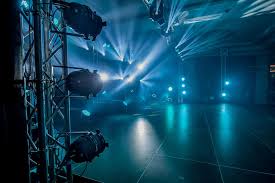
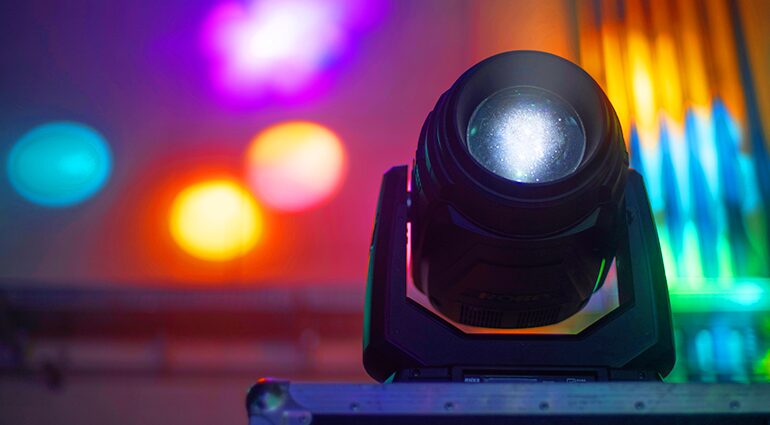
LED stage lighting opens the door to a wide range of creative effects that enhance immersion. Lighting designers can integrate moving lights, color chases, strobe effects, and programmed cues that synchronize with music or action on stage.
These effects capture the audience’s attention and make performances more visually stimulating. Whether it’s a dramatic reveal, a magical transformation, or a high-energy musical number, LEDs can amplify the visual impact and leave a lasting impression on viewers.
8. Environmental Benefits
Beyond audience experience, LED stage lighting is environmentally friendly. It consumes less energy, produces lower heat, and reduces the need for frequent replacements.
Sustainable lighting practices resonate with modern audiences, many of whom value environmentally conscious productions. By using LED technology, theaters can reduce their carbon footprint while delivering a high-quality, enjoyable experience for the audience.
Installation and Practical Tips
To maximize the benefits of LED stage lighting:
- Plan Lighting Angles: Consider the stage layout, actor positions, and set design to avoid dark spots or glare.
- Layer Lights: Combine washes, spotlights, and accent lights to provide depth and eliminate harsh shadows.
- Test Scenes in Rehearsals: Adjust intensity, color, and timing during rehearsals to ensure optimal effect.
- Maintain Equipment: Keep LEDs clean and check connections regularly for consistent performance.
- Use Programmable Fixtures: Take advantage of DMX or software control to create smooth transitions and synchronized effects.
These practices ensure the lighting contributes positively to the overall audience experience.
FAQs About LED Stage Lighting for Audiences
Q1: Can LED lights match the brightness of traditional stage lights?
Yes, modern LED fixtures provide comparable or even superior brightness while consuming less power and generating less heat.
Q2: Are professional LED systems suitable for small theaters?
Absolutely. Professional LED stage lighting offers scalability, allowing small venues to benefit from advanced features and flexible designs.
Q3: How do LED lights affect costume colors?
LEDs maintain accurate color rendering, enhancing the visibility of costumes and makeup without distorting their appearance.
Q4: Can LEDs be programmed for complex effects?
Yes, professional LED fixtures can integrate with DMX controllers, enabling sophisticated cues, fades, and dynamic color changes.
Q5: Are LEDs cost-effective in the long run?
Yes, reduced energy consumption, minimal maintenance, and long lifespan make LED systems highly cost-effective over time.
Final Words
Investing in LED stage lighting significantly enhances the audience’s experience by providing better visibility, dynamic color, smooth transitions, and immersive effects. Incorporating professional led stage lighting takes this further, offering advanced control, reliability, and creative flexibility that elevates any production.
For theaters and performance venues looking for high-quality lighting solutions, JJY Stage ship products to USA, providing reliable LED fixtures suitable for small and large productions alike. By embracing LED technology, you can create visually stunning performances that captivate audiences while improving comfort, sustainability, and operational efficiency.
About the Author