Teen years are not easy. Friendships change. School pressure increases. Social media adds another layer of stress. It’s normal for teens to feel awkward or shy sometimes.
But when fear of social situations starts interfering with daily life, it may be more than just shyness. It could be social anxiety.
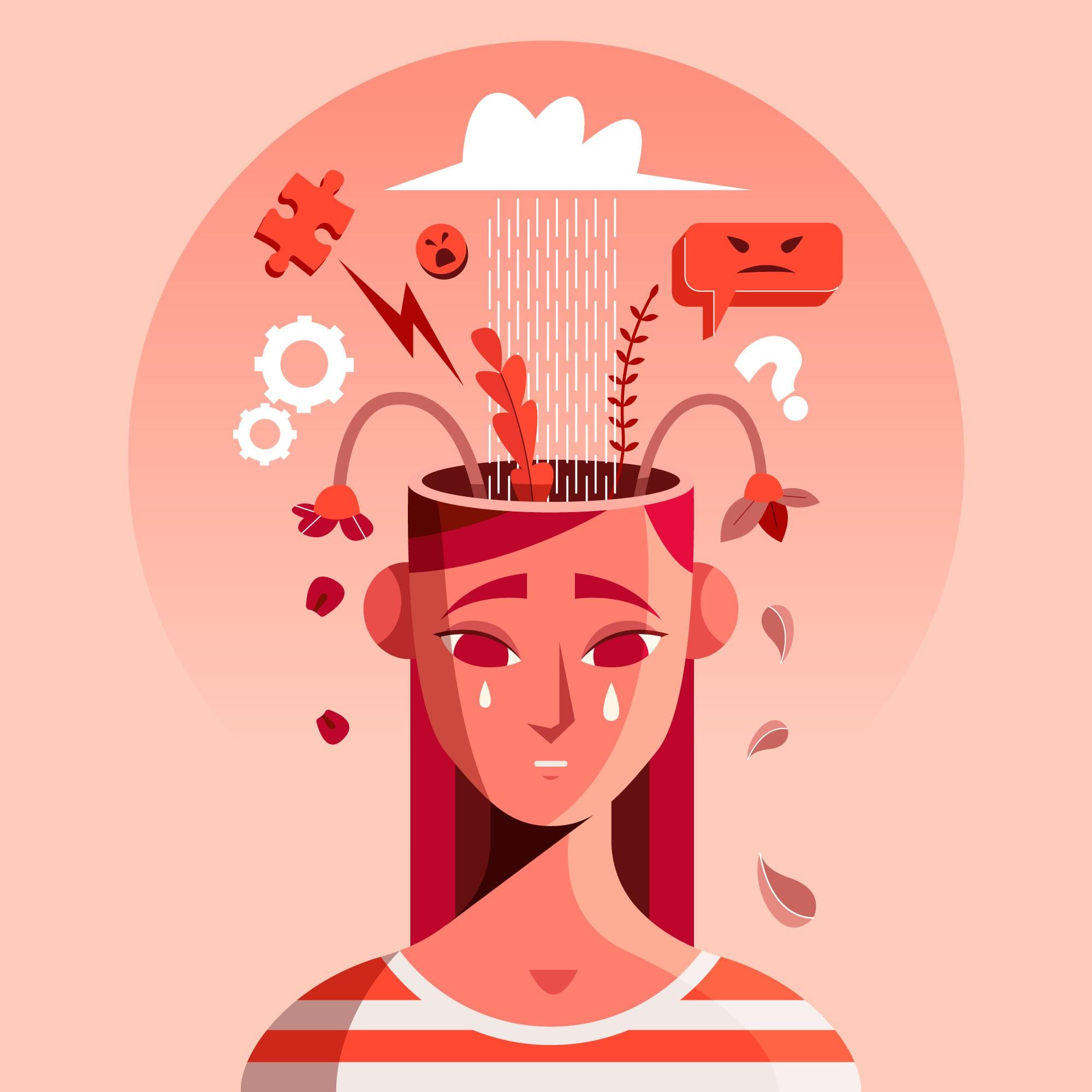
Social anxiety is more than being quiet or introverted. It’s an intense fear of being judged, embarrassed, or rejected. And many teens struggle silently because they don’t know how to explain what they’re feeling.
How to Know if Your Teen Has Social Anxiety?
If you’re a parent wondering whether your teen might need support from a social anxiety therapist in Al, here are seven signs to watch for.
1. They Avoid Social Situations Whenever Possible
Does your kid try to avoid social events all the time?
They may:
Refuse to attend birthday parties.
Do not go to school dances or group events.
On days of presentations, ask to stay home from school.
Leave clubs or games they used to like.
It’s okay to sometimes want to stay home. It’s another thing to feel scared just thinking about being around other people.
Teenagers who have social anxiety tend to avoid situations because they think it is safer to do so than to face their fears. But staying away from things makes the anxiety worse over time. Working with a social anxiety therapist in Al can help teens slowly build confidence instead of shrinking their world.
2. They Worry Excessively About Being Judged
Teens care about what others think. That’s normal. But social anxiety takes it to another level.
Your teen might say things like:
“Everyone is staring at me.”
“I sounded so stupid.”
“They probably think I’m weird.”
“I shouldn’t have said that.”
They may replay conversations over and over in their mind. Even small interactions can feel overwhelming.
A trained social anxiety therapist in Al helps teens challenge these thoughts and learn that not every social moment is being analyzed by others the way they imagine.
3. Physical Symptoms Show Up in Social Settings
Social anxiety is not “just in their head.” It often shows up physically.
Before or during social situations, your teen might experience:
Sweating
Blushing
Shaking
Stomach aches
Nausea
Rapid heartbeat
Some teens ask to come home from school because they feel sick, when the real issue is anxiety.
If these symptoms happen repeatedly, it may be time to consider Anxiety Therapy Services in Alabama that specialize in teen mental health.
4. School Participation Becomes Difficult
Does your teen avoid raising their hand in class? Are they scared of giving presentations?
Teenagers with social anxiety often do poorly in school, not because they aren’t smart, but because they are afraid of failing.
They may:
Not talk in class
Ask to skip the presentations.
Not work on group tasks.
Keep their head down to avoid attention.
This can hurt scores and self-esteem over time.
When parents look for an “anxiety therapist near me,” they usually want to help their teen feel better about going to school. Therapy can help people deal with their fears and take part without feeling too stressed.
5. They Have Very Few Close Friends or None
Some teens prefer a small circle of friends. That’s healthy.
But if your teen wants friendships and struggles to maintain them because of fear, anxiety may be the barrier.
They may:
Not text first
Fear being rejected
Overanalyze social interactions
Withdraw after small misunderstandings
Even if a kid really wants to connect with someone, social anxiety can make them feel alone. When teens look for “anxiety group therapy near me,” they may find structured group sessions where they can practice their social skills in a safe, supervised setting.
Group therapy can be especially helpful because it gently exposes teens to peer interaction in a supportive way.
6. Their Self-Esteem Is Low
Teens with social anxiety are often very self-critical.
They may describe themselves as:
Awkward
Boring
Not good enough
Unlikeable
They compare themselves constantly, especially on social media.
Low self-esteem and social anxiety feed each other. The more they doubt themselves, the more anxious they feel. The more anxious they feel, the more they avoid situations that could build confidence.
Working with a social anxiety therapist in Al can help break this cycle by strengthening coping skills and improving self-image.
7. They Seem Fine at Home, But Struggle Outside
One confusing part of social anxiety is that teens may appear relaxed and talkative at home.
Parents often say, “They’re totally fine with us.”
That’s because home feels safe. Social anxiety usually shows up in environments where teens fear judgment – school, public places, or social gatherings.
If your teen seems confident at home but distressed in social settings, it may be worth exploring therapy for anxiety in Al options that specialize in social anxiety.
When Is It Time to Seek Help?
If these signs are:
Persistent
Interfering with daily life
Causing emotional distress
Leading to isolation
It’s time to consider professional support.
Social anxiety rarely disappears on its own. In fact, without help, it can follow teens into adulthood, affecting college, careers, relationships, and overall quality of life.
The good news? Social anxiety is highly treatable.
How Therapy Helps Teens With Social Anxiety
A trained social anxiety therapist in Alabama helps teens:
Understand their anxiety
Teenagers learn what anxiety is, why they get it, and how their bodies react to it.
Fight off negative thoughts
They learn to question ideas that come to them automatically, like “Everyone judges me.”
Learn how to deal with things
Fear can be lessened with breathing exercises, gradual contact, and communication tools.
Safely work on social skills
Some types of anxiety group therapy near me give teens a chance to practice talking to their peers in a safe and structured setting.
Over time, teens gain confidence, not by avoiding fear, but by facing it step by step.
Supporting Your Teen at Home
Even though skilled help is important, parents also play a very important role.
As you listen, don’t brush off their fears.
Do not tell them they are “too shy.”
Get them to take small social steps.
Don’t celebrate perfection, but growth.
If you’re looking for anxiety therapy services in Alabama, keep in mind that getting help early can help prevent problems in the future.
Final Thoughts
It can be upsetting to see your teen struggle with making friends. You might see how smart, caring, and talented they are and wonder why they have so much doubt in themselves.
Social anxiety is not a personality flaw. It’s a treatable mental health condition. With proper instructions, teens learn how to deal with fear, develop real self-confidence, and enjoy social life with less panic.
When you think of contacting a social anxiety therapist in Al, it really matters that you collaborate with a seasoned provider. Practices like The Duff Wilder Group offer compassionate, professional services tailored to teens and families.
Regardless of whether you are looking at single or group sessions, that initial step might make your teen feel like they can step out of avoidance to confidence, one small step at a time.
About the Author